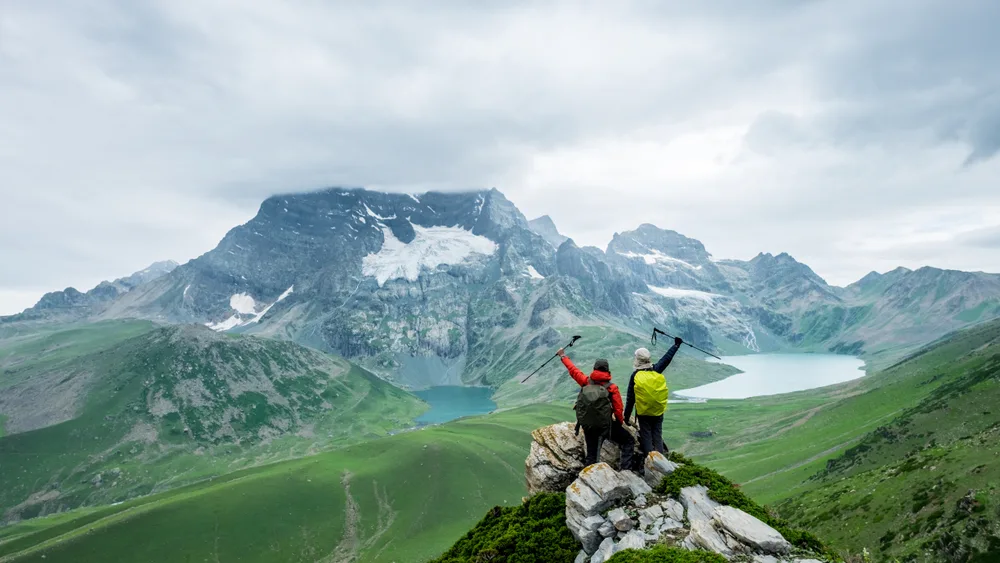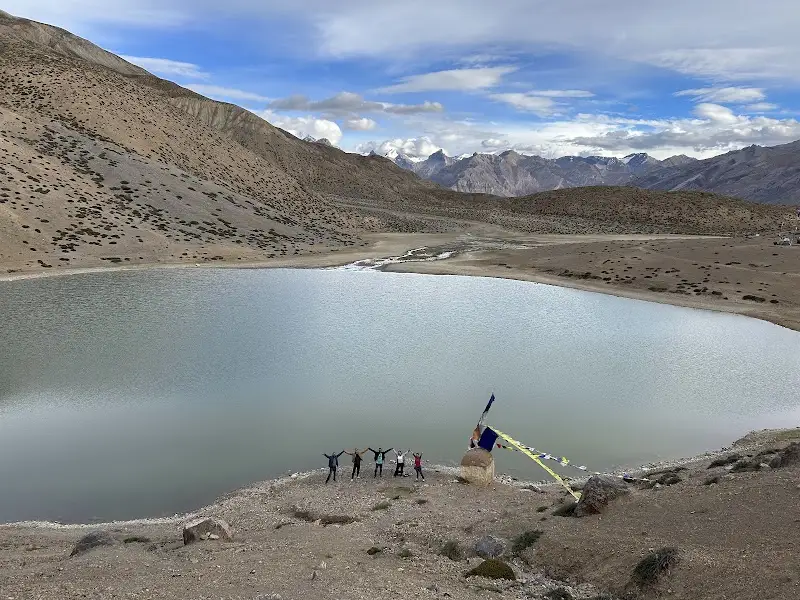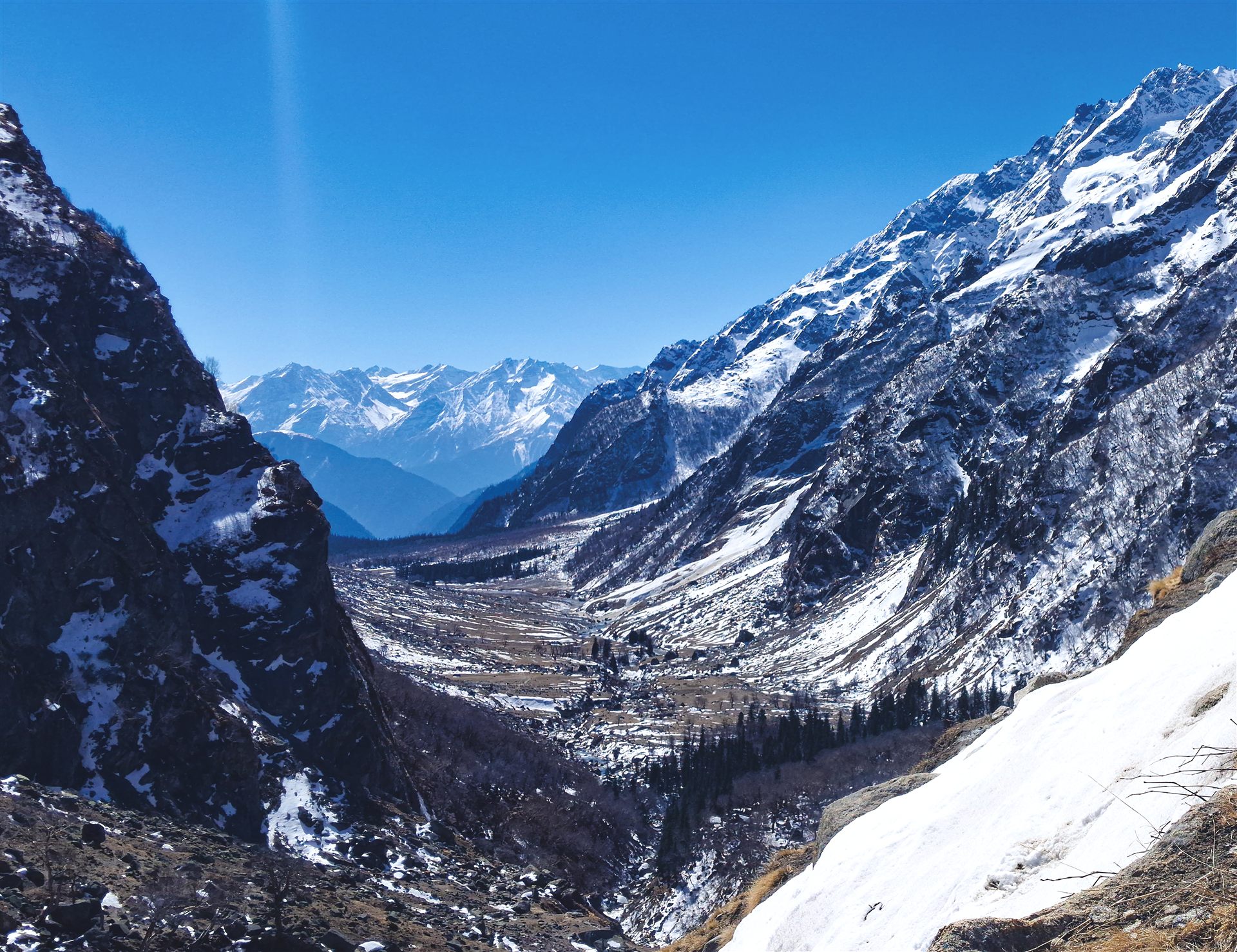
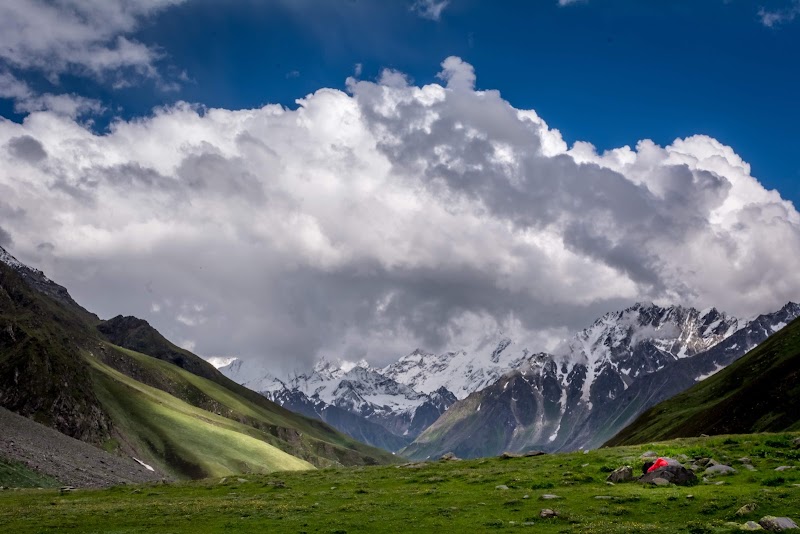
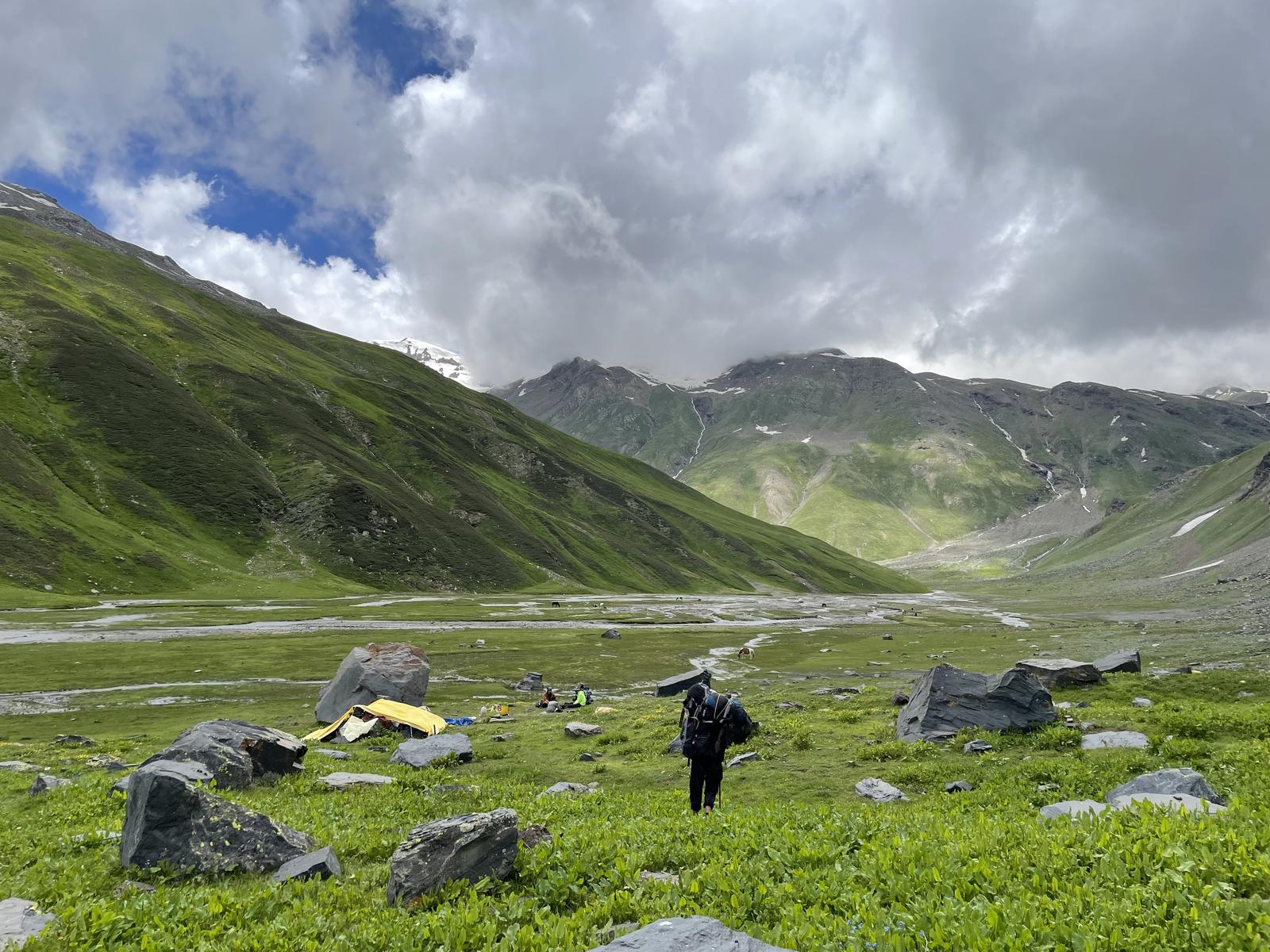
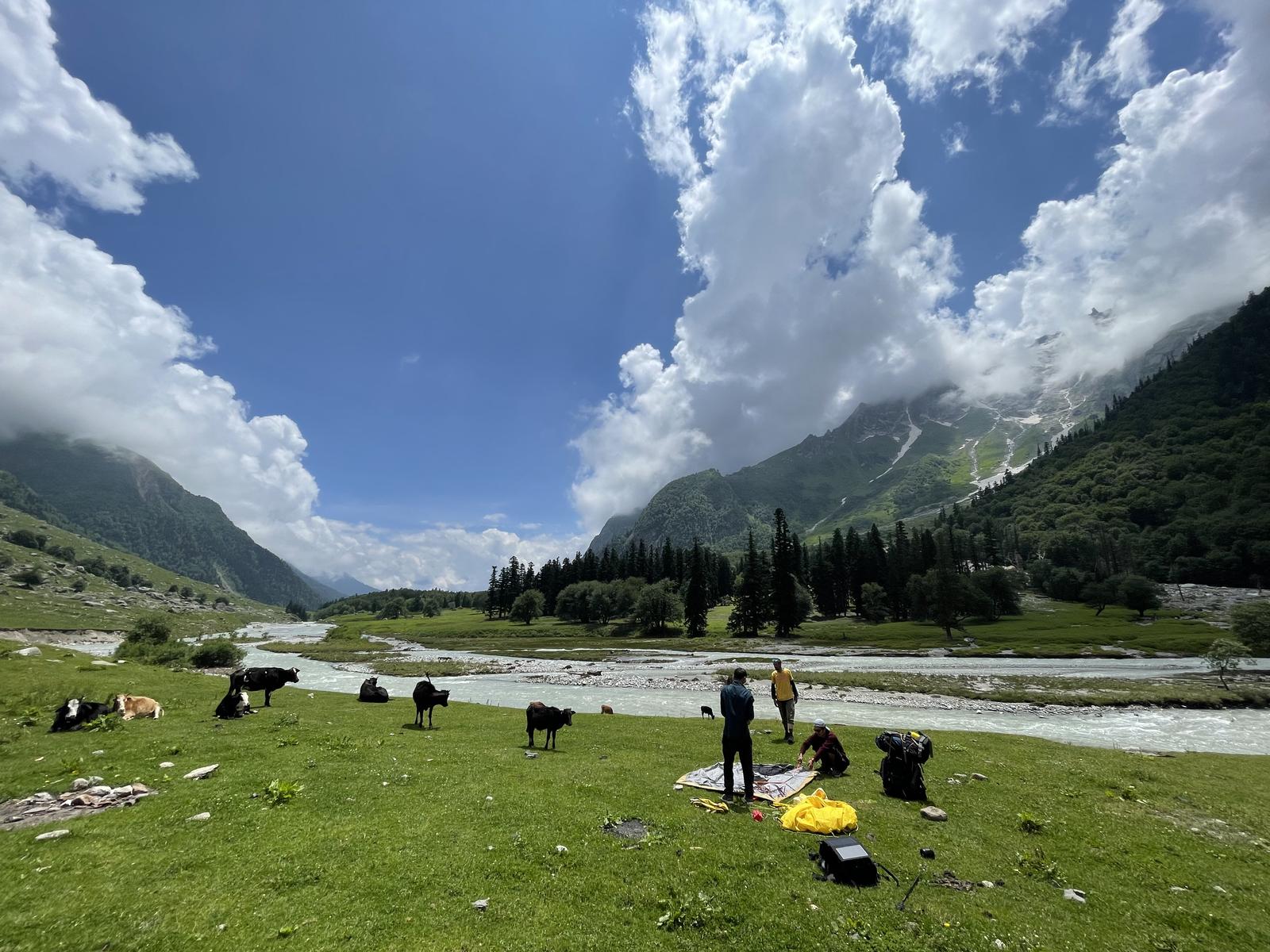
The Pin Bhaba Pass Trek is a challenging Himalayan crossover trek from Kinnaur to Spiti Valley, taking you from the lush Bhaba Valley to the stark landscapes of Pin Valley. Starting from Kafnu, the trail passes through forests, alpine meadows and remote high-altitude camps before crossing the Pin Bhaba Pass at approximately 4,900 m (16,100 ft). The dramatic change in landscape, demanding terrain and remote mountain environment make Pin Bhaba one of Himachal Pradesh’s most rewarding high-altitude trekking adventures.
Pin Bhaba Pass Trek Overview
Pin Bhaba Pass Trek Highlights
Experience one of Himachal Pradesh’s most spectacular high-altitude crossover treks, from the lush Bhaba Valley of Kinnaur to the dramatic landscapes of Spiti.
Cross the Pin Bhaba Pass at ~16,100 ft
The defining moment of the trek is crossing the spectacular Pin Bhaba Pass at around 16,100 ft. The high-altitude pass connects the green Bhaba Valley with the arid Pin Valley of Spiti.
Explore the Bhaba Valley
Begin your journey through the beautiful Bhaba Valley, surrounded by dense forests, mountain streams, green meadows and dramatic Himalayan peaks.
Enter the Pin Valley of Spiti
Experience a dramatic transformation of the landscape as the trail descends from the pass into the dry, rugged and beautiful Pin Valley of Spiti.
Kinnaur to Spiti Crossover
Pin Bhaba is a unique Himalayan crossover trek that takes you on foot from the lush landscapes of Kinnaur to the cold desert terrain of Spiti Valley.
Alpine Meadows & High-Altitude Landscapes
Walk through open alpine meadows, rugged mountain terrain and remote high-altitude landscapes far away from the crowds of popular trekking routes.
Snow, Moraine & Mountain Terrain
Depending on seasonal conditions, the higher sections may involve snow, rocky terrain, moraine sections and challenging mountain trails.
Remote Himalayan Camping
Spend nights camping in remote Himalayan valleys and high-altitude locations surrounded by some of the most spectacular landscapes of Himachal Pradesh.
A Challenging High-Altitude Adventure
With steep ascents, long trekking days and a major high-altitude pass crossing, Pin Bhaba is an adventure for trekkers looking for a demanding Himalayan experience.
The Pin Bhaba Pass Trek combines the contrasting landscapes of Kinnaur and Spiti in one unforgettable Himalayan journey. From forests and alpine meadows to snow-covered terrain, high mountain passes and the cold desert of Pin Valley, the trek offers an exceptional mix of scenery and adventure for experienced trekkers.
Why Choose the Pin Bhaba Pass Trek?
If you’re looking beyond conventional Himalayan trails, the Pin Bhaba Pass Trek offers a rare combination of high-altitude adventure, dramatic landscape changes and a spectacular Kinnaur-to-Spiti crossover.
Two Completely Different Himalayan Worlds
Few treks offer such a dramatic change in scenery. The journey begins in the green and forested Bhaba Valley of Kinnaur and eventually enters the dry, rugged landscapes of Pin Valley in Spiti. The contrast makes the Pin Bhaba Pass Trek a truly unique crossover experience.
High-Altitude Pin Bhaba Pass Crossing
The trek reaches the spectacular Pin Bhaba Pass at approximately 16,100 ft, making the pass crossing the major adventure highlight of the route.
Remote & Less Crowded Trail
Compared with many of Himachal Pradesh’s popular trekking routes, Pin Bhaba takes you deep into remote valleys and high-altitude terrain with a greater sense of wilderness.
Forests, Meadows & High Mountains
The route passes through forests, open alpine meadows, rocky mountain terrain and high-altitude camps, offering a constantly changing trekking experience.
Experience the Pin Valley of Spiti
After crossing the pass, the trail descends towards Pin Valley, where the landscape transforms into the distinctive cold-desert environment of Spiti.
Exceptional Himalayan Photography
From green valleys and alpine landscapes to dramatic ridgelines and the stark mountains of Spiti, the trek provides an incredible variety of photographic scenery.
A True Adventure Trek
Long trekking days, steep climbs, high altitude and changing terrain make this an ideal choice for trekkers looking for a demanding Himalayan adventure.
Perfect for Experienced Trekkers
Pin Bhaba is best suited to trekkers with good endurance, proper preparation and preferably previous experience on high-altitude Himalayan trails.
One Trek. Two Valleys. One Epic Crossover.
Trek from the lush landscapes of Kinnaur, cross the
Pin Bhaba Pass and descend into the spectacular Pin Valley
of Spiti.
Pin Bhaba Pass Trek Itinerary
- Day 1: Kafnu to Mulling Trek: ~11 km. Begin your journey through the lower Bhaba Valley, following forest trails as the landscape gradually climbs towards the high mountains. As the forest begins to thin, the valley opens up around Mulling.
- Day 2: Mulling to Kara Trek through progressively higher terrain towards Kara. The day’s gradual altitude gain allows the body to adapt while offering the first impressive views of the glacier and surrounding high peaks.
- Day 3: Kara to Phutsirang Enter the high-alpine zone as forests disappear and the trail becomes rocky and exposed. Reach Phutsirang, the final major camp before the Pin Bhaba Pass crossing. Prepare for an early start the following morning.
- Day 4: Phutsirang to Bwaldar via Pin Bhaba Pass The most challenging day of the trek. Start early and cross boulders, scree and possible snow terrain before reaching the Pin Bhaba Pass (~4,900 m). Cross from Kinnaur into Spiti before making the long descent towards Bwaldar.
- Day 5: Bwaldar to Mudh Village Trek: ~17 km. Follow the Pin Valley through rugged and increasingly arid terrain. This is the longest trekking day, ending at Mudh Village, a traditional settlement in the Spiti Valley.
- Day 6: Mudh to Road Head Enjoy the final morning in the Pin Valley before leaving the trekking route. Drive out through Spiti Valley, carrying memories of the Kinnaur-to-Spiti crossover and the Pin Bhaba Pass crossing.
Note: Trekking distances, walking hours and camp locations are approximate and may vary depending on weather, trail conditions, snow, river crossings and local circumstances. The itinerary may be adjusted by the trek leader whenever required for the safety and comfort of the group.
Pin Bhaba Pass Trek Difficulty
The Pin Bhaba Pass Trek is generally considered a moderate to difficult high-altitude trek, with the pass-crossing day being the most demanding section. It is not recommended as a first-ever Himalayan trek and is better suited to trekkers with good endurance, proper preparation and preferably previous experience at high altitude.
High Altitude & AMS Risk
The trek reaches approximately 4,900 metres (16,100 ft). At this altitude, reduced oxygen levels can make the trek physically demanding and increase the possibility of Acute Mountain Sickness (AMS).
The Pin Bhaba Pass Crossing
The pass-crossing day is the toughest section of the trek. The day can involve an early morning start, steep ascent, high-altitude terrain and a long descent into the Pin Valley.
~4,900 m / 16,100 ft
Very early morning
Rock, scree & snow
Highest of the trek
Challenging Terrain
The trail changes significantly as you gain altitude. Trekkers may encounter:
- Loose scree and rocky sections
- Boulders and moraine terrain
- Steep ascents and descents
- Seasonal snow patches
- Uneven trails on the Spiti side
River & Stream Crossings
Depending on the season and weather, the route may involve crossing mountain streams and sections of the Bhaba and Pin river systems. Water levels can change rapidly because of snowmelt, so crossings must always be undertaken under the direction of the trek team.
Long Trekking Days
The pass-crossing day can require approximately 10–12 hours of movement depending on trail and weather conditions. Trekkers need sufficient stamina to handle both the climb and the long descent.
Changing Mountain Weather
Weather conditions can change quickly at high altitude. Cold temperatures, wind, rain or snow can affect trail conditions and trekking times, particularly around the pass.
Fitness & Experience Required
A strong level of cardiovascular endurance, leg strength and overall stamina is recommended for the Pin Bhaba Pass Trek. Trekkers should be comfortable walking for several hours on consecutive days while carrying a daypack.
- Regular running, brisk walking, cycling or stair training before the trek is highly recommended.
- Include long-distance hikes and uphill training in your preparation.
- Strengthen your legs and core for steep ascents and prolonged descents.
- Previous experience on a high-altitude Himalayan trek is strongly recommended.
- Gradually increase training volume rather than attempting sudden high-intensity workouts.
High-altitude trekking carries inherent risks. Symptoms of altitude sickness should never be ignored. The trek leader may change the itinerary, delay the pass crossing or arrange descent when weather, trail conditions or a trekker’s health make continuing unsafe. The final decision should always prioritise safety over completing the planned itinerary.
How to Reach Pin Bhaba Pass Trek
The Pin Bhaba Pass Trek starts from Kafnu village in Kinnaur, Himachal Pradesh. Shimla is the most practical major access point for trekkers. From Shimla, the journey continues by road through the scenic Kinnaur region to Kafnu, the gateway to the Bhaba Valley.
By Air
The nearest airport option is Shimla Airport (Jubbarhatti), although flight availability is limited. For better connectivity, travellers can consider flying to Chandigarh Airport and continuing to Shimla by road.
By Train
Kalka Railway Station is the nearest major broad-gauge railhead for Shimla. From Kalka, continue to Shimla by road or take the historic Kalka–Shimla railway, subject to the current train schedule.
By Road
Shimla is well connected by road with Delhi and Chandigarh. From Shimla, Kafnu is approximately 200 km away and the journey generally takes around 7–10 hours, depending on traffic, weather and road conditions.
Shimla to Kafnu – Trek Starting Point
The drive from Shimla to Kafnu follows the Sutlej Valley before turning towards the Bhaba Valley. The journey passes through Narkanda, Rampur and Wangtu before reaching Kafnu.
Travel Tips for Pin Bhaba Pass Trek
- Plan to reach Shimla at least one day before the trek departure.
- The Shimla–Kafnu road journey is long and mountainous, so keep sufficient travel buffer.
- Public transport and shared vehicles can be available, but services to remote Kafnu are limited compared with major tourist destinations.
- If travelling independently, confirm current bus and road conditions before departure.
- Weather, landslides and road conditions can affect travel times in the Kinnaur region.
Things to Carry for Pin Bhaba Pass Trek
Packing correctly is essential for the Pin Bhaba Pass Trek. The route involves high-altitude camps, cold temperatures, rocky terrain, possible snow and long trekking days. Carry only the essentials and keep your backpack as light as practical.
🧥 Clothing
- Base layers – 2 sets
- Full-sleeve trekking T-shirts – 2–3
- Fleece jacket / warm mid-layer
- Insulated down or synthetic jacket
- Waterproof & windproof jacket
- Trekking pants – 2 pairs
- Thermal lower – 1–2 pairs
- Warm cap / balaclava
- Sun hat / cap
- Warm gloves + waterproof outer gloves
🥾 Footwear
- High-ankle trekking shoes with good grip
- Trekking sandals / lightweight camp footwear
- 3–4 pairs of trekking socks
- 1–2 pairs of warm woollen socks
- Gaiters, especially when snow is expected
🎒 Backpack & Bags
- 50–60 L trekking backpack
- Rain cover for backpack
- Small daypack, if required
- Waterproof packing / compression bags
- Small dry bag for electronics
⛏️ Trekking Gear
- Trekking poles
- Headlamp with spare batteries
- Sunglasses with strong UV protection
- Water bottles / hydration system
- Water purification tablets or filter
- Personal trekking mug / bottle
🧴 Personal Essentials
- Sunscreen SPF 50+
- Lip balm with SPF
- Moisturiser
- Toothbrush & toothpaste
- Biodegradable wet wipes
- Small quick-dry towel
- Hand sanitiser
🩹 Personal Medical Kit
- Personal prescription medicines
- Basic first-aid supplies
- Blister / hot-spot protection
- ORS / electrolyte sachets
- Any medication recommended by your doctor
📄 Documents & Money
- Government-issued photo ID
- Photocopy / digital copy of ID
- Emergency contact details
- Small amount of cash
- Required permits / documents as advised by Super Trekkers
🔋 Electronics
- Mobile phone
- Power bank
- Charging cable
- Camera, if required
- Extra batteries / memory card
🏔️ Special Items for Pin Bhaba Pass
🎒 Keep Your Backpack Light
A lighter backpack makes a significant difference on long ascents and the Pin Bhaba Pass crossing day. Carry only what you genuinely need and use the porter facility provided with your trek package, if applicable.
🚫 What Not to Carry
- Excess clothing or duplicate heavy jackets
- Large bottles or unnecessary toiletries
- Heavy electronics and unnecessary gadgets
- Cotton clothing as your primary cold-weather layer
- Single-use plastic items wherever avoidable
- Any prohibited or environmentally harmful items
Conclusion: Embark on the Ultimate Crossover Adventure
The Pin Bhaba Pass Trek is much more than just a hike; it is a profound journey through some of the most contrasting and mesmerizing landscapes the Indian Himalayas have to offer. From the lush, oxygen-rich pine forests of Kinnaur to the stark, silent, and mystical deserts of Spiti, every step on this trail tells a story of nature’s duality.
Whether you are captivated by the challenge of the Pin Bhaba Pass Trek altitude, the meticulous planning of the Pin Bhaba Pass Trek itinerary, or the sheer aesthetic beauty of the landscape crossover, this trek promises an unforgettable experience. By respecting the mountains, acclimatizing properly, and packing the right gear, you will not only conquer the pass but also discover a new facet of your own endurance.
If you are ready to swap cityscapes for towering peaks and starlit campsites, it’s time to pack your bags. The Pin Bhaba crossover trek is calling, and the views from 16,050 feet are waiting to take your breath away.
Plan your next adventure with Super Trekkers and step into the wild!
Pin Bhaba Pass Trek – Frequently Asked Questions
Planning the Pin Bhaba Pass Trek? Find answers to the most common questions about trek difficulty, altitude, distance, duration, cost, best time to visit, fitness requirements, packing, accommodation, food, connectivity, safety and the Pin Bhaba Pass crossing.
The Pin Bhaba Pass Trek is a high-altitude crossover trek in Himachal Pradesh that connects the lush Bhaba Valley in Kinnaur with the arid Pin Valley in Spiti. The trek starts near Kafnu and crosses the Pin Bhaba Pass at approximately 4,900 metres before descending towards Mudh Village in Spiti.
The Pin Bhaba Pass Trek difficulty is generally considered moderate to difficult. The trek involves high altitude, steep ascents and descents, scree, boulders, snow patches and long trekking days. The pass-crossing day can require around 10–12 hours of movement and requires good endurance and mental preparation.
The maximum altitude of the Pin Bhaba Pass Trek is approximately 4,900 metres (around 16,100 feet) at Pin Bhaba Pass. Altitude can vary slightly between route descriptions and GPS measurements, but the pass is generally reported at around 4,900 metres.
The Pin Bhaba Pass Trek distance is approximately 50–55 km, depending on the exact itinerary, trail conditions and road-head arrangements. The active trekking route generally runs from Kafnu in Kinnaur to Mudh Village in the Pin Valley.
The standard Pin Bhaba Pass Trek takes approximately 6 days of trekking from Kafnu to the Pin Valley road head. The complete trip may take longer when travel days to and from Shimla or other cities are included.
The best time for the Pin Bhaba Pass Trek is generally during the summer and early autumn trekking season, when the pass is accessible and the weather is comparatively suitable. July to September is commonly considered the main trekking window, although exact opening and closing dates depend on snow, weather and trail conditions.
The Pin Bhaba Pass Trek cost depends on the departure date, group size, inclusions and transportation arrangements. A professional trekking package may include accommodation, meals, camping equipment, trekking staff and permits, while transportation to and from the base camp may be charged separately. Check the current Super Trekkers Pin Bhaba Pass Trek package for the latest price and inclusions.
The Pin Bhaba Pass Trek starts from Kafnu, a village in the Bhaba Valley of Kinnaur, Himachal Pradesh. Kafnu is the primary road-access point and gateway to the trekking route.
The Pin Bhaba Pass Trek ends in the Pin Valley of Spiti. The trekking route generally finishes at or near Mudh Village, after which trekkers continue by road towards Kaza and other destinations in Spiti.
The most practical approach to Kafnu is by road from Shimla. The route generally follows the Kinnaur corridor through Narkanda, Rampur and Wangtu before turning towards Kafnu in the Bhaba Valley. The road journey is long and mountainous, so trekkers should keep sufficient travel time and weather buffer.
The Pin Bhaba Pass Trek is not recommended for absolute beginners. It is better suited to trekkers who have previous trekking experience and good cardiovascular fitness. Highly fit beginners may consider the trek only after appropriate preparation and assessment by the trek operator.
A good to high level of cardiovascular fitness is required. Trekkers should be comfortable walking for several hours on consecutive days, climbing steep sections and carrying a backpack. Training should include long-distance walking, stair or hill climbing, strength exercises and regular cardiovascular training.
The Pin Bhaba Pass Trek packing list should include layered warm clothing, a waterproof jacket, trekking pants, high-ankle trekking shoes, warm gloves, cap, sunglasses, sunscreen, trekking poles, headlamp, water bottles, personal medicines, first-aid essentials, power bank and a suitable trekking backpack. Pack light and protect clothing and electronics from rain and snow.
Yes, the trekking section normally uses camps at remote locations because there are limited accommodation facilities along the high-altitude route. Whether tents, sleeping mattresses and other camping equipment are included depends on the selected Super Trekkers package. Check the current inclusions before booking.
Meals during the trekking section are generally arranged by the trekking team. The exact meal plan, number of meals and inclusions depend on the selected Super Trekkers package. Confirm the latest inclusions before booking.
Sleeping-bag availability depends on the selected trek package. If a sleeping bag is included, Super Trekkers will specify its availability and cold-weather rating in the package inclusions. Trekkers should confirm this before departure rather than assuming that personal sleeping equipment is provided.
Porter availability and baggage allowance depend on the selected trek package. If porter support is included, the applicable weight limit should be confirmed before departure. Trekkers should keep their personal daypack light, especially for the long Pin Bhaba Pass crossing day.
Mobile network connectivity is very limited on the Pin Bhaba Pass Trek. Once you leave Kafnu, trekkers should expect little or no reliable mobile connectivity for significant portions of the route. Network availability can vary by location, operator and weather. Inform family members before starting the trek that connectivity may be unavailable.
The Pin Bhaba Pass Trek can be undertaken safely with an experienced trekking team, proper acclimatization and suitable weather conditions. However, it is a demanding high-altitude trek. Risks include altitude sickness, sudden weather changes, slippery terrain, scree, snow, river crossings and fatigue. Trekkers must follow the guide’s instructions and should never attempt the pass independently in unsuitable conditions.
If weather, heavy snowfall, unsafe trail conditions or other mountain hazards make the Pin Bhaba Pass crossing unsafe, the trek leader may delay the crossing, modify the itinerary or use an appropriate safety contingency. The pass should never be crossed simply to maintain the planned schedule. Final decisions are made by the trek leader based on ground conditions and participant safety.
Toilet facilities on the Pin Bhaba Pass Trek are basic. At remote camps, trekking teams may arrange temporary dry-pit or toilet tents. Facilities are considerably more basic than those available in hotels or towns. Trekkers should carry personal hygiene supplies and follow Leave No Trace practices.
Previous high-altitude trekking experience is strongly recommended for the Pin Bhaba Pass Trek. Experience with multi-day trekking, steep ascents, long descents and camping at altitude will make the journey considerably more manageable.
The Pin Bhaba Pass Trek is not normally a technical mountaineering expedition requiring advanced rope-climbing skills. However, the route includes steep, rocky and potentially snowy terrain. Depending on conditions, trekkers may need to negotiate scree, boulders, snow and exposed sections under the guidance of the trek team.
The biggest attraction of the Pin Bhaba Pass Trek is the dramatic change in landscape. The journey begins among green forests and alpine scenery in Kinnaur’s Bhaba Valley, crosses a high Himalayan pass and descends into the dry, rugged landscape of Spiti’s Pin Valley. This makes it a spectacular Kinnaur to Spiti crossover trek.