The Goechala Trek is one of the most exciting and scenic high altitude trek in sikkim. Located in Sikkim, the trek takes you up to around 15,100 ft (4600m) where you will be able to view the mighty Mount Kanchenjunga, one of the highest mountains in the world.To experience the trail safely, you can organize your expedition through Glacier Treks & Adventure, a Sikkim-based local trekking operator.
A beautiful trek with lush rhododendron forests, glacial lakes, vast alpine meadows and dramatic mountain passes, through the UNESCO World Heritage Site, Khangchendzonga National Park.
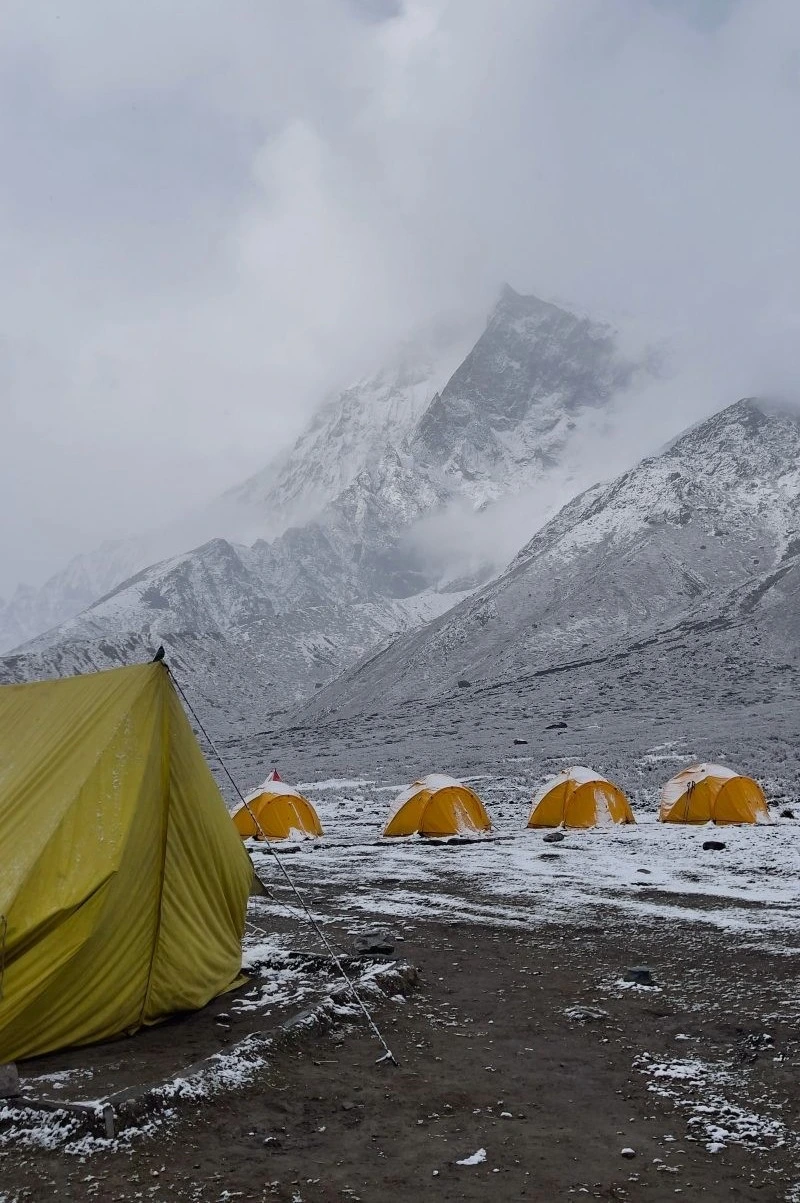
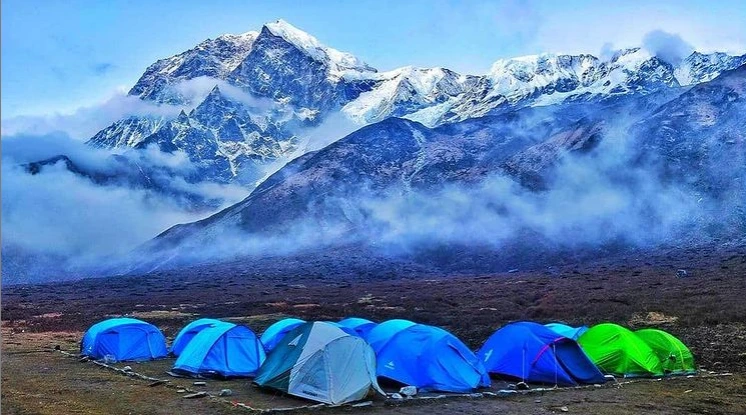
Goechala Trek Quick Facts
The Goechala Trek in West Sikkim takes you through the forests and high-altitude landscapes of the Khangchendzonga region, with memorable mountain views and a demanding Himalayan trail.
(Goechala Viewpoint 1)
Goechala Trek Highlights
From sunrise mountain views to quiet alpine lakes, the Goechala trail brings together some of the most memorable landscapes in the Khangchendzonga region.
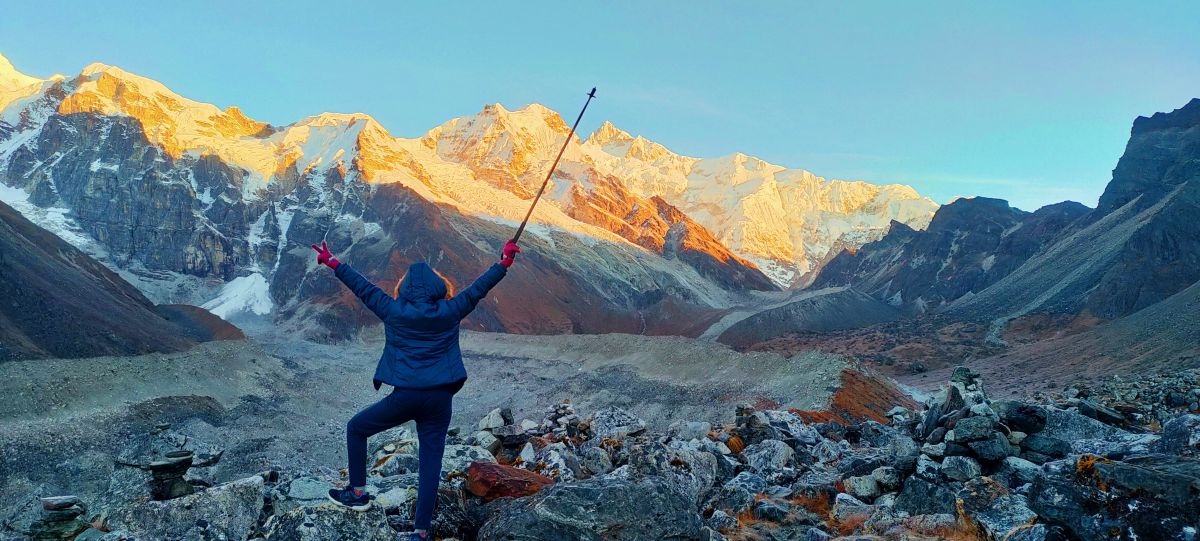
Kanchenjunga Views
View the dramatic southeastern face of Mount Kanchenjunga from Viewpoint 1. When weather and visibility cooperate, the early morning light can make this a standout moment of the trek.
Khangchendzonga National Park
Walk through protected Himalayan landscapes featuring pine, oak and rhododendron forests. The region supports diverse plant and animal life, so keep to the trail and respect the natural habitat.
Samiti Lake
Discover the striking high-altitude lake known for its emerald-toned water and dramatic mountain setting. Conditions can change quickly at this elevation, so follow your guide’s instructions around the lake.
Dzongri Top
Take in broad Himalayan views from this famous viewpoint, including peaks such as Mount Pandim, Mount Kabru, Mount Simvo and the Kanchenjunga range, depending on weather and visibility.
Yuksom — The Trek Base
Begin your journey in Yuksom, a historic settlement in Sikkim and the traditional starting point for the Goechala Trek. It is where trekkers prepare before heading into the mountains.
Goechala Trek Itinerary: Day by Day
This 10-day Goechala Trek itinerary starts and finishes in Yuksom, Sikkim, and includes an acclimatisation day at Dzongri. Walking times, distances and overnight stops are approximate and may change with weather, trail conditions, permits and local instructions.
- Day 01: Bagdogra / NJP to Yuksom (Drive) Drive: ~150 km | 7–8 hours. Highlights: Travel through tea-growing areas and the hills of West Sikkim, following the Teesta and Rangeet river valleys. Arrive in historic Yuksom, the trek base camp, and prepare for the park entry formalities. Stay: Yuksom.
- Day 02: Yuksom to Sachen (Trek) Trek distance: ~8 km | 4–5 hours. Highlights: Enter Khangchendzonga National Park and walk through lush forest, crossing suspension bridges over mountain streams including Pha Khola and Tsushay Khola. Stay: Sachen.
- Day 03: Sachen to Tshoka via Bakhim (Trek) Trek distance: ~7 km | 4–5 hours. Highlights: Climb steadily to Bakhim, then continue through oak and rhododendron forest towards Tshoka. On clear days, you may catch your first views of Mount Pandim. Stay: Tshoka.
- Day 04: Tshoka to Dzongri via Phedang (Trek) Trek distance: ~9 km | 5–6 hours. Highlights: Follow wooden walkways and forest trails to Phedang, a useful lunch stop, before climbing above the tree line into open high-altitude meadows. Stay: Dzongri.
- Day 05: Dzongri Top (Acclimatisation Day) Hike: ~2–3 hours. Highlights: Start early for Dzongri Top and, in clear weather, enjoy sunrise views of Kanchenjunga, Kabru, Pandim and Kokthang. Return to camp for breakfast and take the rest of the day slowly to support acclimatisation. Stay: Dzongri.
- Day 06: Dzongri to Thansing via Kokchurang (Trek) Trek distance: ~10 km | 5–6 hours. Highlights: Descend through alpine terrain to the Prek Chu river valley near Kokchurang, cross the river and continue towards the open valley of Thansing. Stay: Thansing.
- Day 07: Thansing to Lamuney (Trek) Trek distance: ~4 km | 2–3 hours. Highlights: A shorter walking day along the valley floor. Rest, hydrate, check your layers and headlamp, and prepare for the early start towards Samiti Lake and Goechala Viewpoint 1. Stay: Lamuney.
- Day 08: Lamuney to Goechala Viewpoint 1 and Kokchurang (Trek) Trek distance: ~18 km | 10–12 hours. Highlights: Begin around 3 a.m. and walk towards Samiti Lake before continuing to Goechala Viewpoint 1 for possible sunrise views of Kanchenjunga. Descend via Lamuney and Thansing, continuing to Kokchurang. This is a long, demanding day and depends on weather, trail conditions and local access rules. Stay: Kokchurang.
- Day 09: Kokchurang to Tshoka (Trek) Trek distance: ~16 km | 6–7 hours. Highlights: Return through the forested trail and Phedang, bypassing Dzongri as described in this itinerary. Enjoy a quieter evening at Tshoka. Stay: Tshoka.
- Day 10: Tshoka to Yuksom (Trek) Trek distance: ~15 km | 5–6 hours. Highlights: Descend through Sachen, cross the suspension bridges and return to Yuksom, completing the trekking route. Confirm onward transport arrangements separately. Stay: Yuksom / onward travel as arranged.
Difficulty & Fitness for Trekkers
The Goechala Trek is considered a moderate-difficulty trek. No technical climbing equipment is normally needed, but good stamina and fitness are important for long walking days and high-altitude conditions.
🏔️ High Altitude
The route reaches elevations above 15,000 ft, where walking can feel harder as the air gets thinner.
🥾 Steep Climbs & Long Days
Expect steep ascents and long trekking days. The summit-viewpoint day may involve around 10–12 hours of walking, depending on conditions and the itinerary.
📈 Daily Altitude Gain
Altitude increases between camps, so a steady pace and following the planned acclimatisation schedule are important.
💪 Build Your Stamina
Prepare for consecutive days on the trail by gradually improving cardiovascular fitness and leg strength before departure.
How to Prepare for the Goechala Trek
- Start cardio training 4–6 weeks in advance: Include activities such as brisk walking, running, cycling or swimming, building up gradually to match your current fitness.
- Strengthen your legs: Practise squats, lunges and stair climbing with good form, increasing effort gradually.
- Follow your acclimatisation plan: Keep the rest and acclimatisation days included in your itinerary. Do not rush the ascent.
Safety reminder: Fitness helps, but it does not prevent altitude illness. Follow your trek leader’s guidance, report symptoms promptly and do not continue ascending if you feel unwell.
Best Time to Do the Goechala Trek
Spring and autumn are the main trekking seasons for Goechala. Conditions can change quickly in the mountains, so check the latest local weather and trail updates before departure.
Spring (April–May)
- Rhododendrons and giant magnolias bloom across the hills in shades of red, pink and white.
- Daytime temperatures are often mild, with clear mountain views possible.
- Clouds may build during the afternoon, so start hikes early when advised by your trek leader.
Autumn (October–November)
- Clear, crisp skies can offer excellent mountain views and sunrise scenery.
- Nights can be very cold, particularly at higher camps such as Dzongri.
- Weather is often favourable for trekking, but snow, wind and sudden changes are still possible.
Packing Essentials Every Trekker Must Have
Pack for cold mornings, changing weather and long days on the trail. Keep essential items easy to reach and protect spare clothing and electronics in waterproof bags.
🥾 Footwear
Sturdy, broken-in waterproof trekking boots with good ankle support, plus extra pairs of warm wool or trekking socks.
🧥 Clothing
Thermal base layers, fleece or insulating mid-layers, a warm down jacket, and waterproof, windproof outer layers.
🎒 Trekking Gear
A suitable 50–60L rucksack if carrying your own gear, trekking poles, high-UV sunglasses, a headtorch with spare batteries, and a 1L water bottle.
🧴 Personal Items
Sunscreen, lip balm, moist wipes, personal first-aid supplies, and any personal medicines you normally need.
Altitude medicine and safety: Speak with a qualified doctor before using altitude tablets. Follow your trek leader’s guidance, stay hydrated, and report symptoms such as headache, nausea, dizziness or unusual breathlessness promptly. Fitness and medication do not eliminate the risk of altitude illness.
Conclusion
The Goechala Trek is definitely more than just climbing a mountain. It is a once in a lifetime experience through the Himalayas. You will trek through ancient forests, stunning lakes and awe-inspiring mountainous landscapes. This is a fantastic opportunity for adventurous trekkers to get up close to Mount Kanchenjunga. Few treks in the world can provide this experience.
Goechala Trek FAQs
Planning the Goechala Trek in Sikkim? Find answers to common questions about the route, difficulty, best season, fitness, altitude and preparation.
1. How difficult is the Goechala Trek?
The Goechala Trek is generally considered moderate to difficult. It involves several days of walking, steep ascents and descents, uneven mountain trails and high-altitude conditions. Good fitness, preparation and following your trek team’s guidance are important.
2. What is the best time to do the Goechala Trek?
The usual trekking windows are spring (April–May) and autumn (October–November). Spring can bring rhododendron blooms, while autumn often offers clearer mountain views. Conditions vary each year, so confirm the actual departure dates and trail status before booking.
3. How many days are needed for the Goechala Trek?
Plan around 9–10 days for a typical Goechala Trek itinerary. The exact duration depends on the itinerary, acclimatisation plan, weather, trail conditions and travel arrangements to and from Yuksom.
4. What is the maximum altitude on the Goechala Trek?
The trek commonly reaches around 15,100 ft (approximately 4,600 m) at Goechala Viewpoint 1. Viewpoint 1 is not the same as standing at Goechala Pass itself. Access and the highest point reached can change with route restrictions and current conditions.
5. Where does the Goechala Trek start?
The trek starts from Yuksom in West Sikkim. Trekkers generally travel to Yuksom before beginning the walking route through Khangchendzonga National Park. Keep a travel buffer in your plan for the road journey.
6. How fit do I need to be for the Goechala Trek?
You should be comfortable walking for several hours on consecutive days and climbing uphill on uneven terrain. Build up with regular brisk walks, stair or hill training and leg-strength exercises well before departure. Choose a training plan appropriate to your current fitness and seek medical advice if you have concerns about exercising at altitude.
7. Will I see Mount Kanchenjunga on the trek?
The route is known for views of the Kanchenjunga massif, including from Goechala Viewpoint 1 in suitable conditions. Mountain views depend on weather, cloud cover and visibility, so sightings cannot be guaranteed.
8. What are the main highlights of the Goechala Trek?
Highlights can include forest trails inside Khangchendzonga National Park, rhododendron landscapes in season, Dzongri Top, Samiti Lake and views of the surrounding high Himalayan peaks. The exact experience depends on the itinerary and trail access.
9. Are permits required for the Goechala Trek?
Permit and entry requirements apply for trekking in this protected area, and requirements can vary by nationality and current rules. Confirm the latest documents, permits and eligibility requirements with the trek operator or relevant Sikkim authorities before travel.
10. Is mobile network or internet available throughout the trek?
Do not rely on continuous mobile network or internet access on the trail. Coverage and charging options can be limited or unavailable in remote sections. Tell family your itinerary in advance and follow your trek operator’s communication and emergency plan.
11. Can beginners do the Goechala Trek?
First-time trekkers may find the Goechala Trek demanding because of its duration and altitude. Beginners should build fitness in advance, understand the physical challenge, carry suitable clothing and equipment, and trek with a qualified team. A shorter, lower-altitude trek may be a better first step for someone who is not yet comfortable with long mountain walks.
12. What should I pack for the Goechala Trek?
Pack broken-in trekking boots, layered warm clothing, a waterproof jacket and trousers, gloves, a warm hat, sun protection, a reusable water bottle, personal medication, a headlamp and a suitable backpack. Your final packing list should match the season, the operator’s equipment plan and the latest weather forecast.