The Kedarkantha Trek is one of the most popular winter trekking routes in Uttarakhand, and for good reason. It combines snow-covered forests, open mountain meadows, a beautiful high-altitude lake, camping under clear Himalayan skies and a rewarding summit climb.
Starting from Sankri in Uttarkashi, the trail gradually climbs through the forests and meadows of the Govind Pashu Vihar National Park and Wildlife Sanctuary before reaching Kedarkantha Summit at around 3,800 metres (12,500 feet).
Kedarkantha – Quick Facts
❄️ The Winter Wonderland
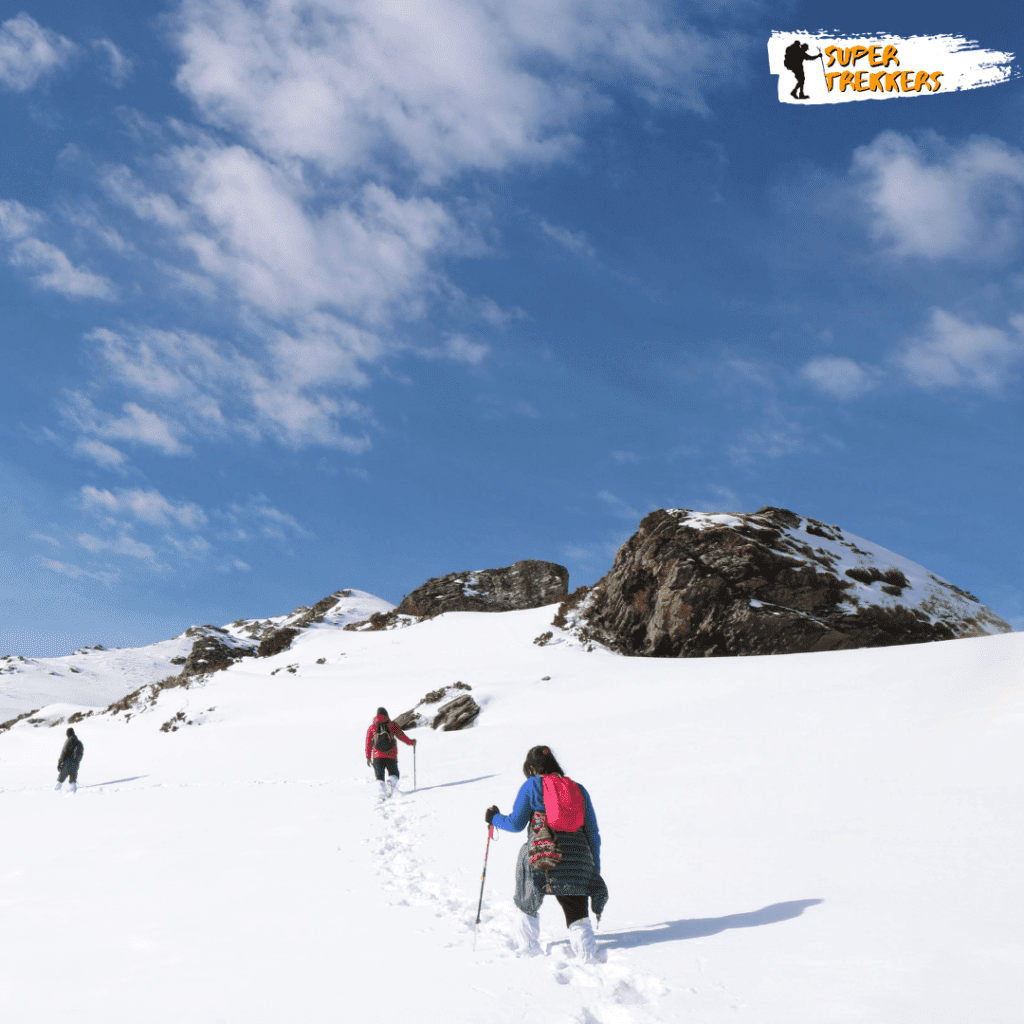
Kedarkantha is best known as a winter trek. Between December and April, the trail is blanketed in snow — from the pine forests to the summit ridge. Walking through knee-deep snow under bright blue skies makes this one of India’s finest winter trekking experiences.
🏕️ Camping at Juda Ka Talab
The frozen lake of Juda Ka Talab at about 2,700 m is the most memorable campsite on this trek. Surrounded by tall pines heavy with snow, camping here under a clear star-filled sky is an experience that stays with you long after the trek is over.
🌅 The Summit Sunrise
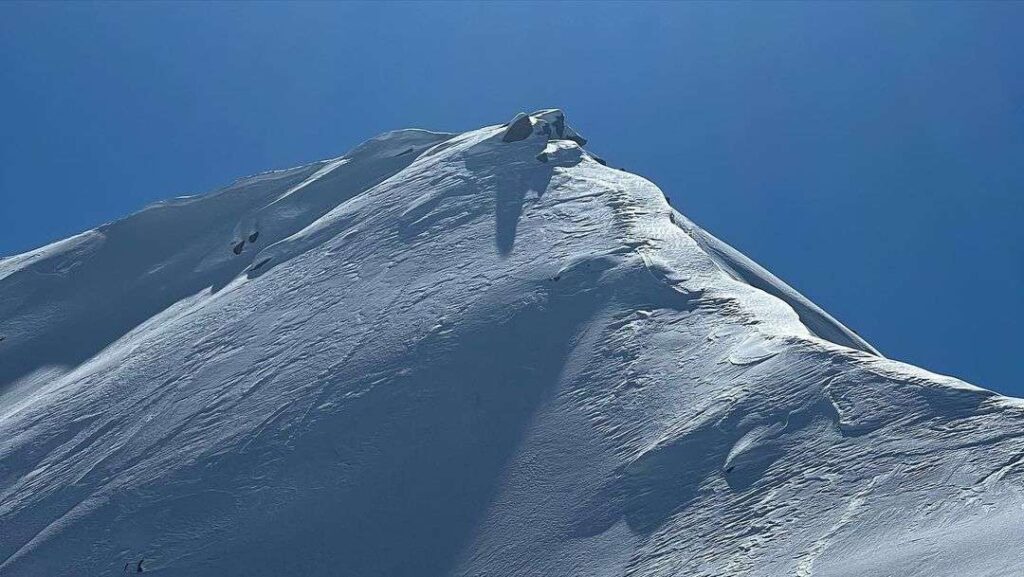
The early-morning summit push rewards you with a 360° panoramic view of the Himalayas — Swargarohini, Bandarpoonch, Black Peak, Kalanag and the Tons Valley. Watching the sunrise paint these peaks golden is the defining moment of the Kedarkantha Trek.
📖 What This Guide Covers
This complete Kedarkantha Trek guide covers the route, itinerary, difficulty, best time to visit, weather, altitude, distance, how to reach Sankri, packing list, safety, permits, accommodation, food and practical tips for planning your trek.
“What makes Kedarkantha special is the experience rather than just the summit. The walk through silent pine and oak forests, the frozen landscape around Juda Ka Talab, the early-morning summit climb and the wide Himalayan views from the top all come together to create a memorable first Himalayan trekking experience.”


Why Is Kedarkantha Trek So Popular?
🏔️ Himalayan Summit
Reach approximately 3,800 m and experience the satisfaction of climbing a Himalayan summit.
❄️ Winter Wonderland
During the snow season, pine forests, campsites and sections of the trail can become completely snow-covered.
💧 Juda Ka Talab
The scenic high-altitude lake surrounded by forest is one of the signature landmarks of the Kedarkantha route.
🌲 Beautiful Forest Trail
The trail moves through Himalayan pine and oak forests before opening into higher meadows.
🌄 Sunrise from the Summit
An early start allows trekkers to experience the changing colours of the mountains around sunrise.
🥾 Beginner-Friendly Adventure
With appropriate preparation, Kedarkantha can be a practical introduction to Himalayan trekking.


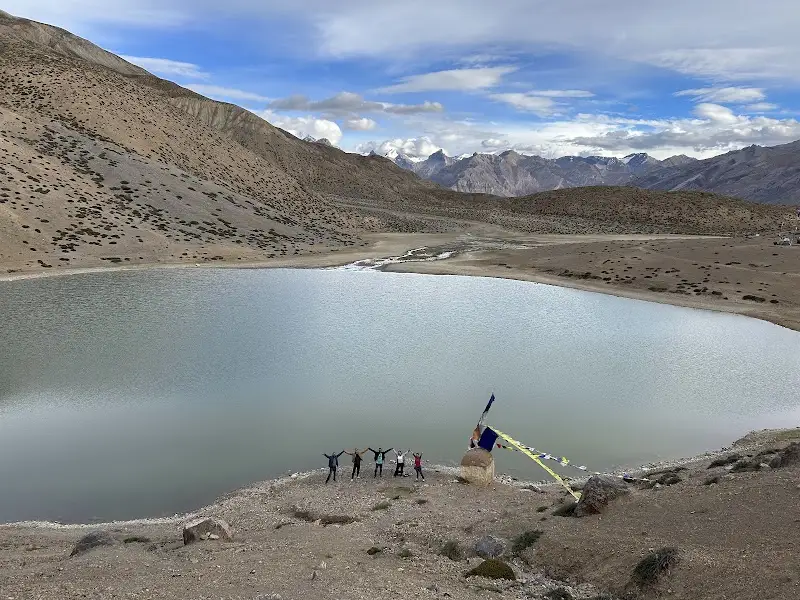
Juda ka Talab
Kedarkantha Trek Itinerary – 6 Days
A 6-day itinerary gives trekkers enough time to approach the summit without trying to compress every section of the route. The exact campsite and timing may change depending on weather, snow and local trail conditions.
Begin the journey from Dehradun and drive towards Sankri, passing through the mountain valleys and villages of Uttarakhand. On arrival, check into your accommodation, meet the trek team and prepare for the trek.
Start walking from Sankri through pine and oak forests. The trail gradually gains altitude and eventually reaches the scenic Juda Ka Talab campsite.
Continue climbing through forest and open sections towards Kedarkantha Base Camp. During winter, snow becomes more common as you gain altitude.
Begin the summit climb very early in the morning. The trail becomes steeper and can be snow-covered in winter. Reach the summit around sunrise when weather and trail conditions allow, spend some time enjoying the mountain views and then descend towards the designated campsite.
Continue descending through the forest towards Sankri, following the route and campsite arrangement planned by the trek team. After reaching Sankri, rest and recover after the summit adventure.
After breakfast, begin the return journey from Sankri to Dehradun. Keep some buffer in your onward travel plans because mountain road journeys are affected by traffic, weather and road conditions.

5 Days – Kedarkantha Trek Packages
Perfect winter snow trek for beginners! Explore the white Himalayas with Super Trekkers — certified trek leaders, quality gear, and safe logistics.
- 🍲Meals — Breakfast, Lunch & Dinner (Veg)
- 🏕️Stay — Tents & Homestays (Triple Sharing)
- 🧭Guide — Certified trek leader & local team
- 🎒Backpack Offloading — Optional ₹400/day
- 🚐Transport (Dehradun ↔ Sankri) +₹1,500 optional
- ⚠️Personal expenses & insurance
- 💸Any additional transportation beyond itinerary
- 🚫Anything not in inclusions

What You Should Carry:
| Category | Items |
|---|---|
| Clothing | Thermals (2 sets), fleece jacket, down jacket, waterproof jacket, trek pants (2), woolen cap, gloves, muffler |
| Footwear | Waterproof trekking shoes (ankle support), 3–4 pairs of woolen socks |
| Backpack | 50–60L with rain cover |
| Accessories | Sunglasses (UV400), sunscreen (SPF 50+), headlamp, water bottle (1L), personal first-aid kit |
| Personal Items | Toiletries, towel, toilet paper, hand sanitizer, medications |
How to Reach Kedarkantha Trek
Sankri is the main starting point for the popular Kedarkantha route. Most trekkers first travel to Dehradun and then continue by road towards Sankri.
✈️ By Air
Fly to Dehradun Airport and continue towards Sankri by road. Keep adequate buffer time for the mountain journey.
🚆 By Train
Dehradun is the most convenient major railway connection for many trekkers. From Dehradun, continue towards Sankri by road.
🚌 By Road
Sankri is connected to Dehradun by road. Organised trek operators may provide shared or dedicated transportation depending on the package.
Best Time for Kedarkantha Trek
Kedarkantha is best known as a winter trek, but the landscape changes considerably throughout the year. Choose your season according to whether your priority is snow, clear mountain views or greener landscapes.
❄️ December – March
The classic winter period. Snow can cover the forests, trail and campsites. Actual snowfall and snow depth vary from year to year.
🌱 March – April
A transition period. Snow can remain at higher elevations while lower sections begin changing towards spring conditions.
🌿 April – June
The landscape becomes greener and snow becomes less reliable. This period offers a different experience from the classic winter trek.
🍂 September – November
Post-monsoon trekking can offer clearer mountain views and pleasant walking conditions, although snow is not normally the main attraction.
Kedarkantha Trek Difficulty & Fitness
Kedarkantha is generally considered an easy to moderate or moderate Himalayan trek. It is suitable for many beginners, but the combination of altitude, cold, snow and the early-morning summit climb should not be underestimated.
🥾 What Makes It Challenging?
- Several hours of walking on trekking days
- Continuous uphill sections
- Snow and ice during winter
- Cold temperatures
- Early-morning summit start
- Altitude around 3,800 m
- Steep sections during the summit climb
💪 How to Prepare
- Brisk walking 4–6 weeks before the trek
- Regular stair climbing
- Long weekend walks
- Squats and lunges
- Basic cardiovascular exercise
- Practice walking with a daypack
Important Links:
- Uttarakhand Forest Department
- Weather Forecast: Sankari
- Route Info: Indian Himalayas
- IMD Weather Alerts
A successful Kedarkantha Trek is all about smart preparation and trusted guidance. With the right gear, acclimatization, and reliable support, even first-time trekkers can relish an unforgettable Himalayan winter adventure. Super Trekkers’ certified trip leaders, locally trained porters, and tailored group services guarantee a seamless, memorable experience on India’s prettiest snow trail.
Ready for Your Kedarkantha Adventure?
Plan your Kedarkantha Trek with practical preparation, experienced trek support and clear communication before, during and after the trek.
Explore Kedarkantha Trek Small groups · Trek support · Pre-trek guidanceKedarkantha Trek – Frequently Asked Questions
Planning the Kedarkantha Trek in Uttarakhand? Find clear answers to the most common questions about the route, altitude, distance, difficulty, best time, snowfall, fitness, itinerary, cost, packing, accommodation, safety and practical arrangements.
The Kedarkantha Trek is a popular Himalayan trek in Uttarakhand, known for its forest trails, open mountain views and winter snow. The summit reaches approximately 3,810 metres (12,470 feet).
The trek is generally considered a good introduction to Himalayan trekking, although winter conditions can make the trail considerably more demanding.
The Kedarkantha Trek generally starts from Sankri village in Uttarakhand. Sankri is the main roadhead and the usual base village for the trek.
Most organised departures approach Sankri by road from Dehradun.
The highest point of the Kedarkantha Trek is approximately 3,810 metres (12,470 feet) at Kedarkantha Summit.
The actual trail altitude and distance can vary slightly depending on the route, campsite and weather conditions.
The commonly used Kedarkantha trekking route is around 24 km in total, although the actual distance can vary with the campsite, route conditions and itinerary.
It is better to consider the distance as an approximate figure rather than a fixed GPS measurement.
The trekking portion is commonly planned over 4 to 6 days, depending on the starting point, transport plan, campsite selection and operator itinerary.
A Dehradun-based package normally requires additional road travel time compared with a trek package that starts directly from Sankri.
Kedarkantha is generally considered an easy to moderate Himalayan trek and is often chosen by people doing their first multi-day Himalayan trek.
However, being beginner-friendly does not mean effortless. Snow, cold temperatures, steep sections and the summit-day climb require reasonable fitness and preparation.
The trek is usually rated easy to moderate. The challenge comes mainly from consecutive walking days, uphill sections, cold weather and, during winter, snow-covered terrain.
Regular walking for around 45 minutes, combined with stair or uphill training, is a useful starting point.
The most popular period for the Kedarkantha winter experience is generally from December to April, when snow conditions can make the trek especially attractive.
Exact snow conditions vary each season. Weather, snowfall and trail conditions should always be checked close to the departure date.
Yes. Kedarkantha is especially popular as a winter snow trek. During suitable winter conditions, trekkers may walk through snow-covered forests, campsites and open mountain sections.
Snowfall is weather-dependent, so no responsible operator should guarantee a particular amount of snow for a specific departure.
December to March is generally associated with the winter snow experience, but the amount of snow changes from year to year.
Fresh snowfall, temperature and trail conditions depend on the actual winter weather, so historical snow patterns should not be treated as a guarantee.
Independent travel to Sankri is possible, but solo trekking on the mountain route is not recommended, particularly during winter.
Snow, changing weather, navigation challenges and limited connectivity make an experienced local trek team valuable for route support and safety.
A local guide or organised trekking team is strongly recommended, especially during winter and poor-visibility conditions.
A guide can help with navigation, weather-related decisions, campsite coordination and emergency response. Local requirements and forest rules should also be followed.
A commonly used route is: Sankri → Juda Ka Talab → Kedarkantha Base Camp → Kedarkantha Summit → Hargaon → Sankri.
Campsites and exact trail sections may change according to forest regulations, weather and ground conditions.
A typical itinerary follows the progression from Sankri to Juda Ka Talab, then Kedarkantha Base Camp, the summit and finally the descent towards Hargaon and Sankri.
The exact number of days and overnight camps depends on the departure plan and current trail conditions.
The summit day is usually the most demanding part of the trek because it combines an early start, uphill climbing, higher altitude and potentially snow-covered terrain.
A steady pace, proper clothing, hydration and following the trek leader’s instructions are important.
Winter temperatures can fall below freezing at higher camps, particularly at night and around the summit area.
Conditions vary significantly by month, altitude, wind and snowfall. Trekkers should be prepared for sub-zero nighttime temperatures during the winter season.
Heavy snowfall can slow the trek, change the route, affect campsite access or require an itinerary adjustment.
The trek leader should make the final decision based on actual trail, weather and participant safety conditions. A summit attempt should never be continued simply to follow a fixed schedule.
Walk at a comfortable pace, stay hydrated, eat regularly and allow your body time to adjust to the increasing altitude.
Do not ignore symptoms such as persistent headache, unusual dizziness, nausea, vomiting, confusion or significant breathlessness. Inform your trek leader immediately if you feel unwell.
Tell your trek leader immediately if you develop symptoms that may indicate altitude illness. Do not try to hide symptoms to continue the trek.
Depending on the severity and circumstances, the trekking team may stop further ascent or arrange descent and medical assistance. Serious symptoms require prompt medical attention.
Do not start Diamox or any prescription medicine solely on a trek operator’s recommendation. Whether acetazolamide is appropriate depends on your individual health and medical history.
If you are considering it for altitude travel, discuss it with a qualified doctor before the trek and follow medical advice.
Trekking in the Kedarkantha area involves the applicable forest and local entry permissions. Organised trekking operators generally coordinate the required permissions for their groups.
Requirements can change, so trekkers should confirm the current permit process before departure.
Accommodation on the trekking section is generally in tents or campsites. Sankri has village accommodation such as hotels, guesthouses and homestays.
Facilities become basic once the trek leaves the village, especially at higher camps.
Organised treks generally provide simple, filling meals suited to long walking days. Vegetarian food and hot drinks are commonly served during the trekking section.
Exact menus and meal inclusions depend on the selected package.
Toilet facilities become basic at mountain camps. Temporary toilet arrangements may be provided depending on the campsite and operator.
Trekkers should carry personal hygiene supplies and follow responsible trekking and waste-management practices.
Water arrangements depend on the campsite and trekking season. Trekkers should carry sufficient personal water capacity and use only safe, treated drinking water.
Your trek operator should explain the daily water arrangement before departure.
Mobile connectivity is limited and unreliable on the trekking route. Coverage can vary by location, network provider, weather and terrain.
Inform your family or friends about the possibility of being out of network before starting the trek.
Charging facilities are generally limited or unavailable at remote camps. Carry a reliable power bank of at least 10,000 mAh and keep your phone on low-power mode when necessary.
Trekkers should not depend on ATM access once they leave the main towns and road journey towards Sankri. Carry sufficient cash before entering the remote trekking region.
ATM availability can change, so it is safer to plan your cash requirements in advance.
Basic trekking equipment may be available for rent through local providers or trekking operators. Depending on availability, this can include items such as trekking shoes, jackets and trekking poles.
Confirm sizes and availability before relying on rental equipment for your departure.
Your packing list should include layered warm clothing, a waterproof outer layer, trekking shoes, warm socks, gloves, cap, sunglasses, sunscreen, water bottle, headlamp, personal medicines, toiletries, power bank and a suitable backpack.
During winter, proper cold-weather clothing and footwear become especially important.
Porter or backpack offloading may be available depending on the selected Super Trekkers package.
If you choose offloading, confirm the applicable baggage weight limit, charges and day-wise arrangement before departure.
Sankri is reached by road from Dehradun. Travellers can use organised transport, shared vehicles or other available road services depending on the departure plan.
The mountain road journey is long, so it is important to keep adequate travel time and a reasonable weather buffer.
The Kedarkantha Trek cost depends on your starting point, transport, departure date, group size and selected services.
Super Trekkers currently offers Kedarkantha options starting from approximately ₹5,499 from Sankri, with Dehradun-based options and additional transport or offloading charges depending on the package.
Always check the current departure page for the latest price and inclusions before booking.
Package inclusions vary by departure and package type. Depending on the selected plan, inclusions may cover accommodation, meals, camping arrangements, trek staff, permits and selected transportation.
Always compare the current inclusions and exclusions before making a booking.
Exclusions depend on the package. Common exclusions can include personal expenses, personal medicines, insurance, gear rental, additional transport and services not specifically mentioned in the package.
Read the current package inclusions carefully rather than assuming that every service is included.
Kedarkantha is accessible to many first-time Himalayan trekkers when they are properly prepared and supported. However, no Himalayan trek is completely risk-free.
Winter snow, cold, changing weather, slippery sections, fatigue and altitude can create real risks. Trekkers should follow the trek leader’s instructions and be prepared to modify plans when conditions require it.
You should be comfortable walking for several hours and climbing stairs or uphill sections.
Start training at least 3–4 weeks before the trek with regular walking, stair climbing, cycling or other aerobic exercise. Add basic leg and core strength work if possible.
Previous Himalayan trekking experience is not essential for many prepared beginners. Kedarkantha is often selected as a first Himalayan trek.
What matters more is reasonable fitness, suitable clothing, correct pacing and following the guidance of the trek team.
Kedarkantha is a trekking route and does not normally require advanced mountaineering or technical rope climbing skills.
Snow and icy trail conditions can still make some sections physically demanding. Appropriate footwear, trekking poles and guidance are useful in winter.
Families may consider Kedarkantha if every participant is physically prepared for multi-day mountain walking and cold-weather conditions.
Children should be assessed individually based on age, fitness, previous hiking experience and the expected weather conditions. Parents should discuss suitability with the trek operator before booking.
If heavy snowfall, poor visibility, strong winds, unsafe trail conditions or another mountain hazard makes the summit attempt unsafe, the trek leader may delay, shorten or modify the itinerary.
Mountain safety takes priority over completing a predetermined schedule.
Medical facilities are limited once you leave the roadhead and enter the trekking area. Trekkers should carry their personal medicines and a basic personal first-aid kit.
Organised trekking teams should have an emergency response plan and the ability to arrange descent or further medical assistance when required.
Before booking, check the actual itinerary, starting point, total trek duration, altitude, inclusions, transport, accommodation, food, offloading policy, cancellation terms and weather contingency.
Also ask who will lead the trek, what emergency support is available and what happens if weather prevents the planned route or summit attempt.
Super Trekkers focuses on practical trek support, clear communication and small-group attention. Depending on the selected package, services can include transport support, accommodation, meals, trek staff, backpack offloading and pre-trek guidance.
Before booking, compare the exact inclusions and departure details for your chosen batch so you know what support is included.
Kedarkantha is frequently chosen by trekkers looking for their first Himalayan experience because it combines forest trails, snow conditions, camping and a summit objective without requiring technical mountaineering skills.
It still requires preparation, especially for winter weather, long walking days and cold temperatures.
Begin with regular walking and gradually increase duration. Add stair climbing, uphill walking, cycling or jogging along with basic leg and core strengthening.
Also practise walking with the shoes and backpack you intend to use on the trek. Do not wait until the final week to start physical preparation.
Kedarkantha can also be experienced outside the main winter snow season, but the character of the trek changes considerably.
If your main reason for choosing Kedarkantha is snow trekking, check current seasonal trail and weather conditions before booking.
Carry your waste back, avoid single-use plastic, respect local communities, stay on established trails and do not damage vegetation.
A beautiful Himalayan trek also comes with a responsibility to protect the trail for future trekkers and local communities.