

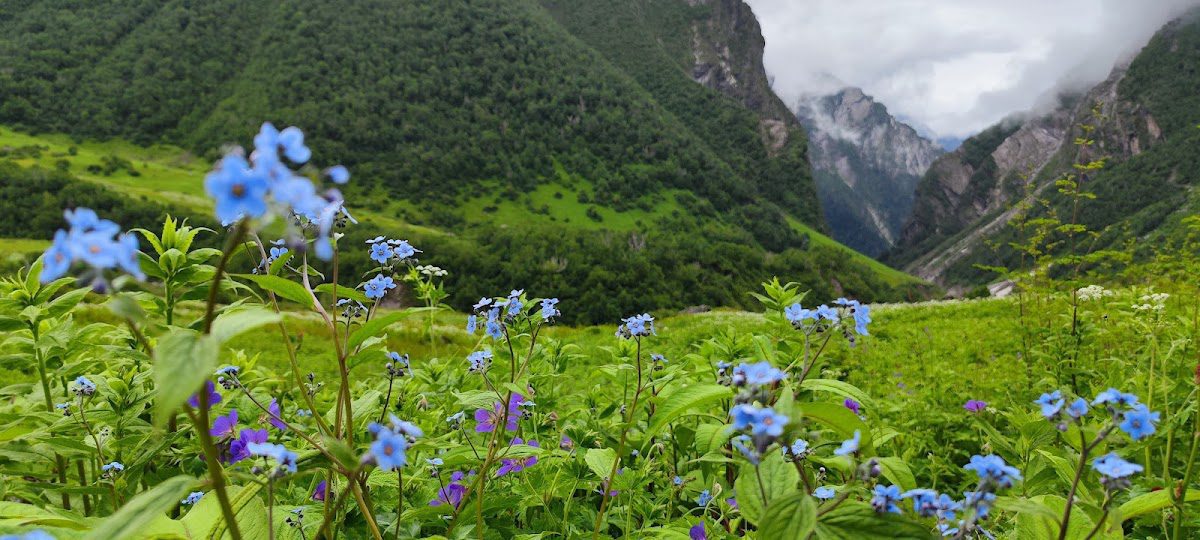
Valley of Flowers Trek: A Himalayan Paradise in Bloom
The Valley of Flowers Trek is one of the most breathtaking monsoon treks in India, nestled in the Western Himalayas of Uttarakhand at an altitude of around 3,600 meters above sea level. Famous for its vibrant alpine flora and mesmerizing views, this UNESCO World Heritage Site transforms into a natural wonderland during the rainy season.
From rare Himalayan blooms like the Blue Primula to legends from the Ramayana where Lord Hanuman sourced the life-saving Sanjeevani herb for Lakshman, the valley is both a botanical treasure and a spiritually rich destination. As you enter the valley, the air becomes fragrant with wildflowers, creating an almost surreal experience.
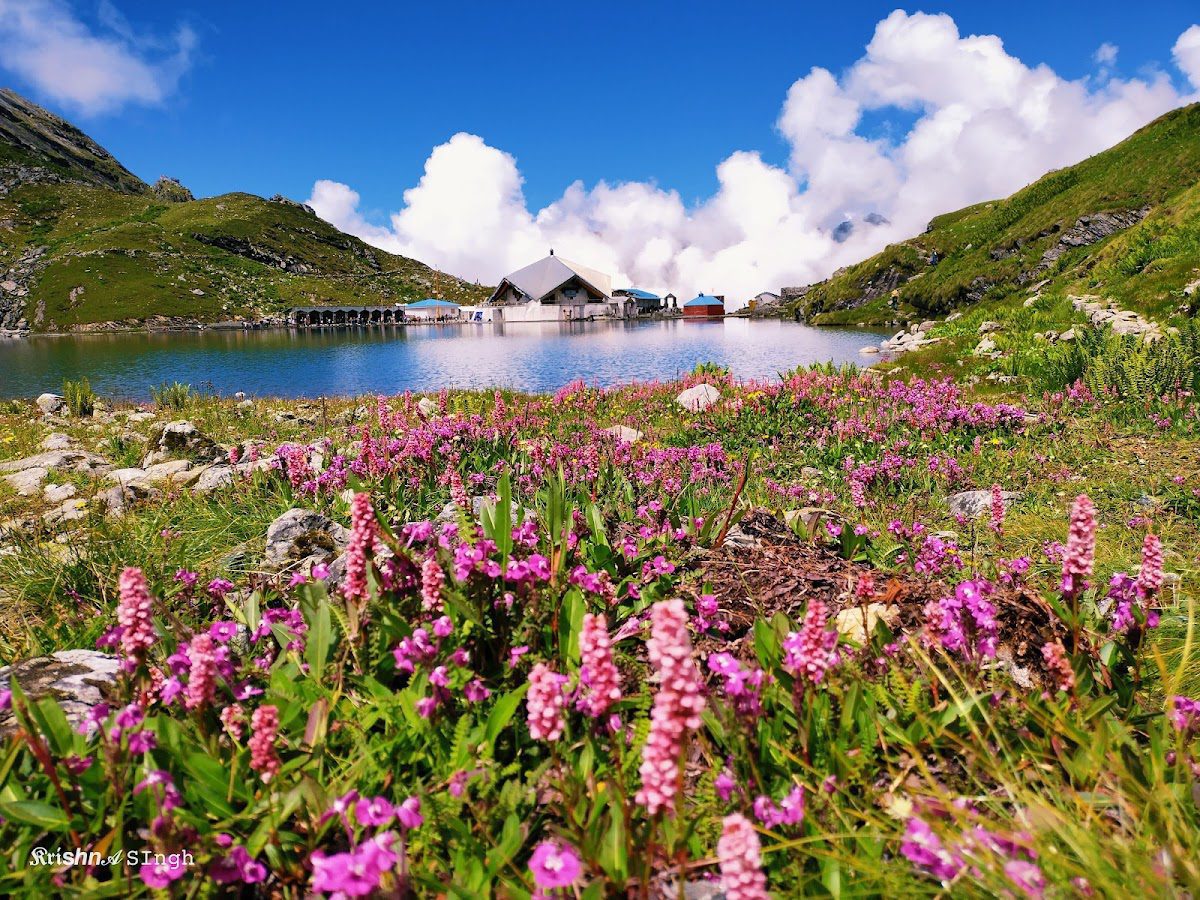
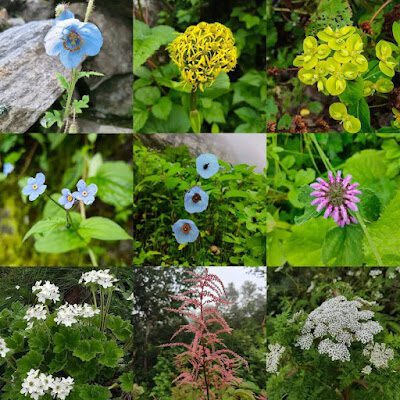
You’ll also explore a hidden alpine lake at 14,400 ft, surrounded by a colorful carpet of wildflowers like Blue Poppy, Brahma Kamal, Cobra Lily, Himalayan Bellflower, Primulas, and Morina..
Valley of Flowers Trek Overview
About Valley of Flowers Trek
Nestled in the heart of the Garhwal Himalayas in Uttarakhand, the Valley of Flowers Trek is one of India’s most breathtaking natural wonders and a UNESCO World Heritage Site.
🌸 The Magical Transformation
Every year during the monsoon, this high-altitude valley transforms into a vibrant carpet of over 500 species of rare alpine flowers. From delicate Blue Poppies and Brahma Kamal to Cobra Lilies and Primulas — the meadows paint a surreal, colorful paradise against snow-capped peaks.
🏞️ A Living Legend
Discovered accidentally in 1931 by British mountaineer Frank S. Smythe, the valley was named for its extraordinary floral diversity. Declared a National Park in 1982 and inscribed as a UNESCO World Heritage Site in 2005, it forms part of the Nanda Devi Biosphere Reserve.
🧭 The Complete Experience
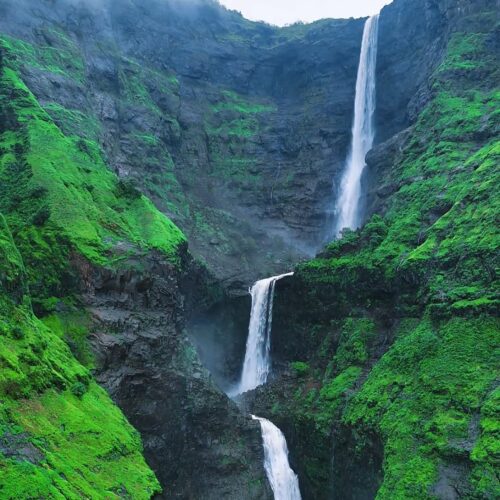
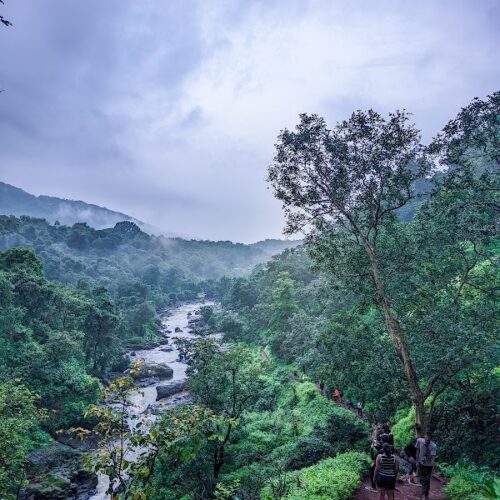
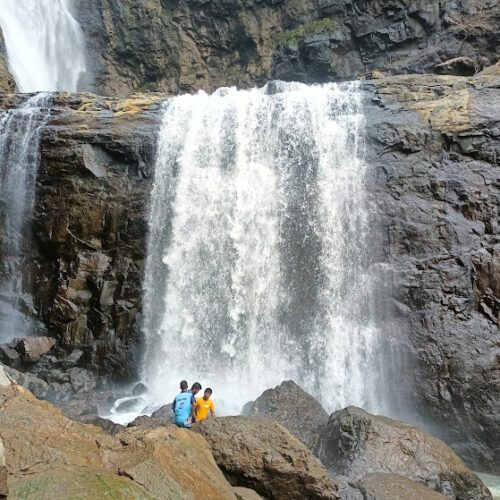
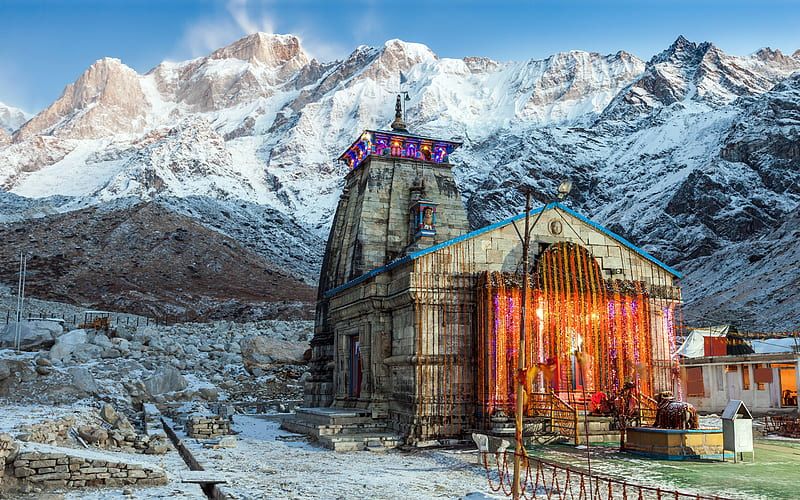
The trek combines the flower-filled meadows with a visit to the sacred Hemkund Sahib (4,329 m), one of the highest Gurudwaras in the world. Walk alongside gushing rivers, cascading waterfalls, and dense forests before entering this floral heaven.
“A paradise that blooms for a few weeks each year — an unforgettable journey through nature’s most vibrant gallery.”
🌸 Flowers of the Valley: What You Will See and When
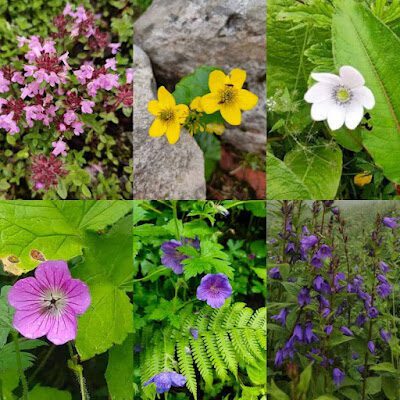
The Valley of Flowers National Park is home to over 500 documented species of alpine wildflowers. No two weeks in the valley look the same — new species come into bloom each week between July and September, creating a constantly shifting tapestry of colour.
| 🌸 Flower | 📅 Peak Bloom | 📍 Notes |
|---|---|---|
| Himalayan Blue Poppy ★ Rarest | Mid-July to August | Found on rocky slopes above 3,500 m – a prized sighting |
| Brahma Kamal State Flower | July–August | Seen on Hemkund trail above 4,000 m – sacred and stunning |
| Cobra Lily (Arisaema) | July | Distinctive hooded flower; common in lower valley near streams |
| Meadow Geranium | July–August | Abundant throughout the valley floor – creates purple carpets |
| Himalayan Bellflower | August | Deep violet blooms; seen on open slopes and rocky edges |
| Blue Primula | July | Early bloomer near streams and wet meadows |
| Snake Foil | July–August | Creeping plant with small yellow flowers – covers the ground |
| River Anemone | Late July | Elegant white flowers near the Pushpavati riverbanks |
| Orchids (12+ species) | July–September | Check the rocky ledges near the entry gate for the best variety |
| Calendula | August | Bright orange – visible from the trail entrance |
| Bistort | August | Pinkish-white spikes; forms dense patches mid-valley |
| Potentilla (Cinquefoil) | July–August | Yellow – very common ground cover across the valley |
📸 Best Time & Tips for Flower Photography
-
🌅 Golden Hour
7:00 AM – 9:00 AM offers the best soft light for flower photography. The valley is also less crowded during these hours.
-
💧 After Rain
Visit just after a rain shower – the flowers glow with water droplets, and the mountain mist adds a magical atmosphere.
-
🕵️ Look Carefully
Many rare species (like Blue Poppy) are found on rocky slopes just off the main trail. Take the side paths for the best discoveries.
🐾 Beyond Flowers: Valley of Flowers Wildlife
Beyond flowers, the valley supports a diverse high‑altitude ecosystem. Keep your eyes peeled for:
💡 Pro Tip: Download a flower identification app before your trek. The valley has over 500 species – being able to identify them in real-time makes the experience infinitely richer!
🌺 Join a Super Trekkers guided group – our expert naturalists help you spot every rare bloom and Himalayan wildlife!


🌸 Valley of Flowers Trek 🏔️
Explore the spectacular Valley of Flowers National Park and experience a breathtaking Himalayan landscape filled with alpine flowers, mountain views and the sacred Hemkund Sahib.
-
🎒Personal Porter: ₹400/day (Carries one bag)
-
🛏️Double Sharing Room: ₹1,800
-
🚗Transportaion : Rishikesh ↔ Joshimath ₹2,400
-
🚗Round-Trip Transportation
-
🧑🏫Professional Certified Trek Leader
-
🏨Accommodation on Shared Basis
-
🍽️Nutritious Vegetarian, Vegan & Jain Meals
-
🏅Trek Completion Certificate
-
🗺️Custom-Framed Digital Trek Poster
-
🚗Transportation: Round-trip transport from Rishikesh/Haridwar or Joshimath to the trek base, depending on the selected package.
-
🧑🏫Professional Trek Guide: Experienced, friendly and mountaineering-course-certified trek leader.
-
🏨Accommodation: Shared hotel accommodation at Joshimath and lodge/guesthouse accommodation at Ghangaria.
-
🍽️Nutritious Meals: Vegetarian, vegan and Jain meal options available.
-
📜Permits & Fees: Standard forest entry permits for Indian citizens, state taxes, toll taxes and parking.
-
🏅Trek Completion Certificate: Digital certificate acknowledging your trekking achievement.
-
🗺️Custom-Framed Digital Poster: Personalised digital poster mapping your trek trail.
-
🛡️Travel Insurance: Personal travel insurance is not included.
-
🍱Journey Meals: Meals during road journeys or transit are not included.
-
🎒Personal Expenses: Porterage, tips, laundry and other personal expenses.
-
🏨Additional Stay or Meals: Any accommodation or meals not specifically mentioned in the inclusions.
-
🚙Emergency Transport: Additional costs for 4×4 or snow-chained vehicles if required.
-
💰GST: 5% GST is not included in the package price.
-
🌍Foreigner Permit Surcharge: International visitors may be required to pay an additional entry fee of approximately ₹800.
-
📸Photography/Camera Fees: Charges for professional or personal photography equipment.
-
➕Optional Activities: Any optional activities not specifically included in the package.
-
⚠️Other Expenses: Anything not specifically mentioned in the inclusions.
Brief Description
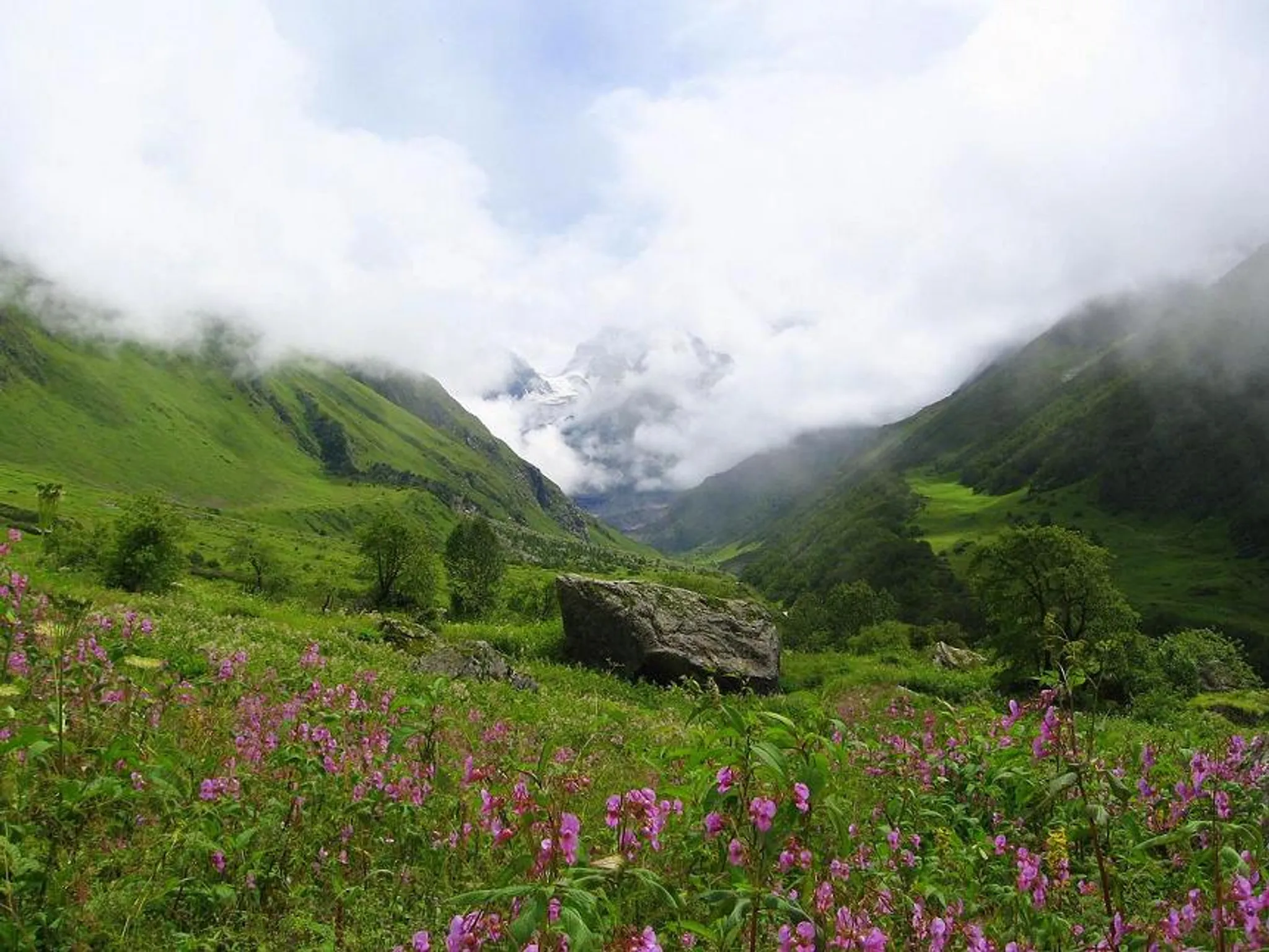
The Valley of Flowers Trek begins with a drive from Haridwar or Rishikesh through the sacred towns of the Garhwal Himalayas, leading to the base at Govindghat or Karchi. The trek itself takes you through lush forests, across the Pushpavati River, and up to Ghangaria, the last human habitation before entering the valley.
From Ghangaria, trekkers enter the Valley of Flowers National Park, a 6-7 km long stretch of alpine meadows that changes color with the seasons. The trail is lined with wildflowers, and the air is filled with the sounds of rushing streams and chirping birds. The journey is not just about flowers; it’s a full immersion into Himalayan wilderness, with panoramic views of peaks like Nilgiri Parvat, Gauri Parvat, and Rattaban.
A highlight of the trek is the optional but highly recommended climb to Hemkund Sahib (14,200 ft), a sacred Sikh pilgrimage site surrounded by snow-clad mountains and a crystal-clear glacial lake. The climb is steep but rewards you with spiritual serenity and breathtaking vistas
Valley of Flowers Month-by-Month: What to Expect
Valley of Flowers Trek Itinerary
- Day 1: Arrival in Haridwar/Rishikesh & Drive to Joshimath Drive: ~250 km | 10 hrs. Enjoy the scenic journey along the Alaknanda River.
- Day 2: Drive to Pulna & Trek to Ghangaria Drive: 20 km | Trek: 9 km | 5-6 hrs. The gateway to the valley.
- Day 3: Trek to Valley of Flowers (Exploration) Trek: 8 km one way | 6-7 hrs. Witness the UNESCO World Heritage site in full bloom.
- Day 4: Optional Trek to Hemkund Sahib Trek: 6 km steep ascent | 5-6 hrs. A sacred, challenging pilgrimage to the glacial lake.
- Day 5: Return Trek to Pulna & Drive to Joshimath Trek: 9 km | 4-5 hrs | Drive: 20 km. Descend back to the base.
- Day 6: Drive back to Rishikesh/Haridwar Drive: ~250 km | 10 hrs. Departure with memories of the Himalayas.
Note: Timings and distances are approximate. Weather conditions in the Himalayas may require adjustments to the daily schedule for safety.
Why Trek with Super Trekkers?
Immerse yourself in an explosion of color and texture as the valley comes alive with hundreds of flower species. A true paradise for nature lovers, botanists, and photographers.
Home to rare species such as the Blue Poppy, Brahma Kamal, and Cobra Lily, the valley also shelters wildlife like musk deer, Himalayan black bears, and diverse bird species.
A visit to the sacred Hemkund Sahib (4,329m) — a revered Sikh shrine — adds a spiritual dimension to the journey, offering an atmosphere of profound peace and devotion.
While the trek provides a moderate physical challenge, it is punctuated by moments of pure tranquility, making it ideal for those seeking a soul-stirring escape into the Himalayas.
How to Reach Govindghat (Base Camp)
Govindghat serves as the vital gateway to the Valley of Flowers. Here is how you can reach the base camp:
-
✈️ By Air
The nearest hub is Jolly Grant Airport, Dehradun. From there, you can hire a private taxi or take a shared cab to Govindghat, covering a scenic distance of approximately 290 km.
-
🚆 By Train
Rishikesh Railway Station is the most convenient railhead. Regular road transport, including buses and taxis, is readily available from Rishikesh to reach the trekking base at Govindghat.
-
🚗 By Road
Govindghat is well-connected via NH7. You can take advantage of regular bus services or private taxis originating from major regional hubs like Rishikesh, Haridwar, Joshimath, and Dehradun.
Need help with travel logistics? Contact Super Trekkers for guided transfers and transport assistance.
Valley of Flowers Month-by-Month: What to Expect
Planning your trek around the right time is crucial for experiencing the valley at its best. Here is a month-by-month breakdown of what to expect:
-
📅 June Good for SolitudeFlowers: Greenery; early bloomsCrowd Level: LowWeather: Cool, occasional rainVerdict: Good for those wanting solitude
-
📅 Early July ExcellentFlowers: Blooming beginsCrowd Level: Low–MediumWeather: Increasing rainVerdict: Excellent — fewer crowds
-
📅 Mid-July to Mid-Aug Best Time OverallFlowers: PEAK BLOOM 🌸Crowd Level: HighWeather: Frequent rain, lushVerdict: Best time overall
-
📅 Late August Great for HemkundFlowers: Thinning; Brahma Kamal peakCrowd Level: High (Hemkund pilgrims)Weather: Rain taperingVerdict: Great for Hemkund
-
📅 September Best VisibilityFlowers: Fading; autumn colourCrowd Level: MediumWeather: Clearing; mountain viewsVerdict: Best mountain visibility
-
📅 October Not RecommendedFlowers: Mostly goneCrowd Level: LowWeather: Cold; park closingVerdict: Not recommended
Pro tip: For the ultimate balance of vibrant blooms, manageable weather, and photography opportunities, plan your trek between the last week of July and the second week of August.
Valley of Flowers Entry Permit & Park Rules 2026
-
🎟️ Entry Fees
- Indian Nationals: ₹200 per person per day
- Foreign Nationals: ₹800 per person per day
- Children under 15: Free
- SAARC Nationals: ₹200 per person per day
- Hemkund Sahib: No separate entry fee — managed by the Gurudwara
Note: Permits are purchased at the park gate in Ghangaria. No advance online booking. Carry cash.
-
⏰ Park Timings
- Entry gate opens: 7:00 AM
- Last entry: 2:00 PM (not 5 PM — you must enter by 2 PM)
- Gate closes: 5:00 PM (all visitors must be out)
Pro tip: Arrive at the gate by 6:45 AM to buy tickets quickly and enter at 7:00 AM sharp.
-
🚫 Park Rules
- No overnight camping inside the national park — strictly prohibited
- No plucking, picking, or removing any flowers or plants
- No plastic bags, single-use plastic, or littering of any kind
- Drones require prior written permission from Forest Department & DGCA — effectively not permitted
- Photography of wildlife is allowed; flash photography inside the park is discouraged
- Pets are not allowed inside the national park
How to Get Fit for the Valley of Flowers Trek
The Valley of Flowers is rated Moderate — but moderate at altitude in the monsoon is harder than it sounds. Day 04 (Hemkund Sahib) involves a 1,250 m altitude gain in 6 km of steep, continuous ascent. Arriving unprepared means missing the highlight of the entire trip.
4-Week Minimum Training Plan
-
💪 WEEK 1–2 (Foundation)
- Walk 5 km daily at a brisk pace (aim for 5 km in under 50 minutes)
- Stair climbing: 10 floors twice daily
- Focus: building base endurance
-
🚶♂️ WEEK 3–4 (Build)
- Increase to 7–8 km walks / jogs
- Add a weekend hike with 300–500 m elevation gain
- Focus: leg strength and lung capacity
Fitness Test
You should be able to jog or walk 5 km in under 45 minutes without stopping before the trek begins. If you cannot meet this target, extend training by 2 more weeks.
Health Notes
- Consult a doctor if you are above 55 years of age or have a heart condition
- Carry personal medications and a prescription copy
- Avoid alcohol 48 hours before and during the trek
- Drink 3–4 litres of water daily on the trail
Other Reference Link
-
Monsoon - June | July | August | September |
-
38km
-
14,107 ft (Hemkund Sahib)
-
Trekking
-
Homestay/Lodges
-
Govind Ghat
-
Chamoli District, Uttarakhand, India
Inclusions & Exclusions
Inclusions
- All transport (Rishikesh ↔ Rishikesh in Tempo Traveller)
- 5 nights stay: Hotel (Joshimath) + Lodge/Guesthouse (Ghangaria)
- All meals during trek (Pure vegetarian only)
- Forest permits & entry fees ( For Indians)
- Experienced trek leader, guide & support staff
- Portable oxygen cylinder & safety kit
- Digital trek completion certificate
- Custom digital poster of your trail route
Exclusions
- 5% GST
- Lunch/dinner on transit days (Day 1 & Day 6)
- Meals during road journeys
- Personal porter/luggage offload (₹400/day/bag up to 12kg)
- Personal expenses (tips, medicines, snacks)
- Travel insurance (recommended)
- At the time of stays, heater charges are extra and needs to be paid directly to thehost.
- Cost of snow-chained or 4*4 Vehicle if needed due to heavy snowfall. Any othercosting involved due to circumstances like natural calamity, weather conditions,riots, roadblocks, landslides or any other forced circumstances which are out ofour control.
- Foreigner Permit Surcharge: International visitors must pay a higher entry fee (~ ₹800)
- Anything which is not mentioned in the above inclusions.