Kedarkantha Trek – Quick Facts
Planning the Kedarkantha Trek? Here are the key details you should know before starting this classic Himalayan winter trek from Sankri.
About Kedarkantha Trek
The Kedarkantha Trek is one of India’s most loved winter treks — a short, accessible Himalayan summit trail that transforms into a snow wonderland between December and April. With gentle daily distances, well-marked trails and a rewarding summit at 12,500 ft, it is an ideal first Himalayan trek for beginners as well as a refreshing winter escape for seasoned trekkers.
The trail begins at Sankri, a lively village about 200 km from Dehradun (8–9 hours by road). The drive itself is scenic — passing through Mussoorie, near Kempty Falls, and following the Yamuna and Tons rivers into the Garhwal Himalayas, with particularly striking views near Mori along the Tons.
The most popular route runs Sankri → Juda Ka Talab → Kedarkantha Base Camp → Summit, covering roughly 20–24 km over 4 trekking days (or an expedited 3 days for experienced trekkers). A less-travelled alternative begins from Gaichwan Gaon, near Netwar — longer, quieter and better suited to repeat visitors seeking solitude.
Kedarkantha Trek Highlights
From snow-draped forests and frozen lakes to sweeping 360° Himalayan views, the Kedarkantha experience packs a lot into a short itinerary.
❄️ Snow-Draped Landscapes
Traverse snow-covered meadows, pine forests and enchanting campsites that together paint a mesmerizing wintry panorama — the signature Kedarkantha experience.
🏔️ Panoramic Himalayan Views
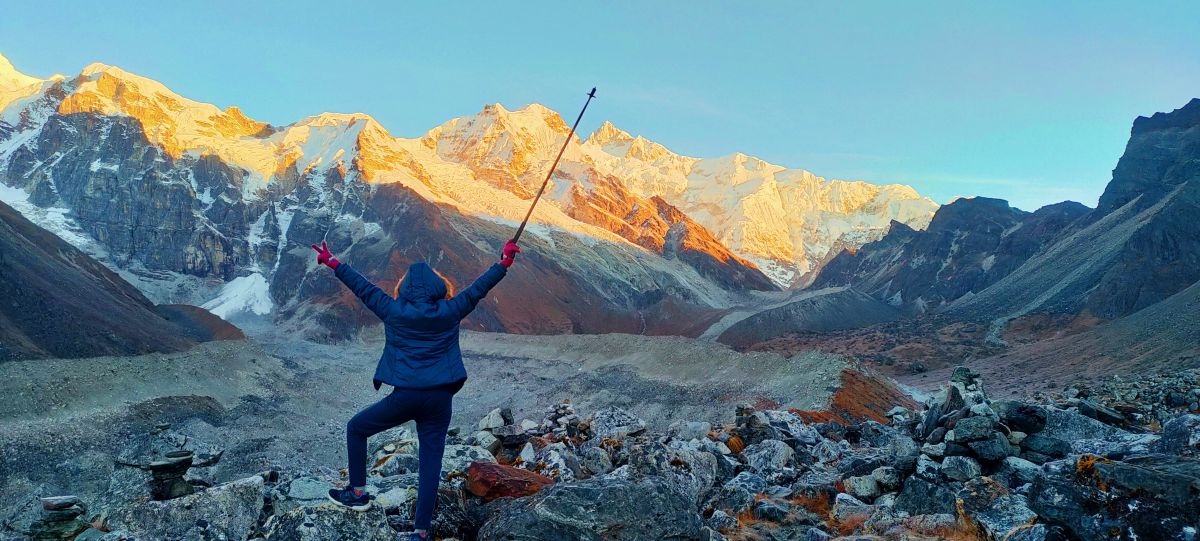
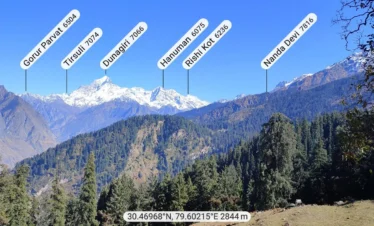
From the summit, enjoy 360° vistas of Swargarohini, Bandarpoonch, Black Peak and the Gangotri range — one of the most rewarding summit backdrops in Uttarakhand.
🌨️ Winter Wonderland
Embrace the charm of snow on the ground, trees and peaks, with fresh snowfall likely between December and February — the most magical window for this trek.
🌊 Riverside Serenity
Enjoy picturesque views of the serene Tons River and Thamsa River along the approach — a tranquil counterpoint to the snowy heights.
🐆 Unique Wildlife Habitat
Kedarkantha is linked to India’s first Snow Leopard project. Explore this unique high-altitude ecosystem — and if you’re very lucky, catch a glimpse of these elusive cats.
🏕️ Frozen Juda Ka Talab
Camp beside the mythic Juda Ka Talab, believed to be where Lord Shiva once meditated. In peak winter the lake freezes over — a surreal, spiritual setting.
“From a frozen lake and pine forests to a snow-covered summit with 360° Himalayan views, Kedarkantha delivers a complete winter trekking experience in just 5 days.”

🏔️ Kedarkantha Trek Packages
Book your winter Himalayan adventure with Super Trekkers.
🎉 Winter Batch Offer – Limited Time Only!📍 Sankri ↔ Sankri (5D/4N)
₹6,499 ₹5,499 / per person
Optional: ₹400/day for Backpack Offloading
Optional: + ₹1,500 Transportation (Dehradun ↔ Sankri)
📍 Dehradun ↔ Dehradun (5D/4N)
₹7,499 ₹6,499 / per person
Optional: ₹400/day for Backpack Offloading
💬 Get Your Trek Quote
📞 Book Now Your Adventure Limited slots • Certified Trek Leaders • Safe & Hassle-free ExperienceKedarkantha Trek – Day-Wise Itinerary
- Day 1: Dehradun to Sankri (Drive) Drive: ~200 km | 8–10 hours. Scenic drive via Mussoorie, Purola, Mori and Netwar along the Tons River. Overnight at guesthouse/homestay in Sankri.
- Day 2: Sankri to Juda Ka Talab (Trek) Trek: 4 km | 3–4 hours. Altitude: 6,400 ft to 9,100 ft. Trail through pine and maple forests. Camp beside the frozen lake (seasonal).
- Day 3: Juda Ka Talab to Kedarkantha Base Camp (Trek) Trek: 3–4 km | 2.5–3 hours. Altitude: 9,100 ft to 11,250 ft. Meadows and thinning treeline with panoramic views. Overnight in tents.
- Day 4: Summit Day – Base Camp to Kedarkantha Peak & Descend to Hargaon Summit: 12,500 ft. Early start (around 3 AM) for sunrise. Steep final section. 360° views of Swargarohini, Bandarpoonch, Black Peak and Gangotri ranges. Descend to Hargaon camp (~8,900 ft). Trek: ~6 km | 7–8 hours.
- Day 5: Hargaon to Sankri, then Drive to Dehradun Trek: ~6 km | 3–4 hours descent to Sankri. Drive back to Dehradun. Tour concludes by evening.
Note: Timings and distances are approximate. Weather and trail conditions may require itinerary adjustments for safety.


Best Time to Visit Kedarkantha
Kedarkantha is best known as a winter snow trek. The trail is typically snow-covered from December to March, with the most reliable snow in January and February. For green meadows and clearer trails, April to June and September to November are also trekking seasons, but the experience is very different.
| Season | Months | Temperature | Conditions |
|---|---|---|---|
| Winter | Dec – Feb | -10°C to 8°C | Heavy snow, classic winter trek |
| Spring | Mar – Apr | -3°C to 12°C | Melting snow, rhododendrons |
| Summer | May – Jun | 4°C to 20°C | Green meadows, clear views |
| Monsoon | Jul – Aug | 4°C to 20°C | Rain, leeches, slippery trails |
| Autumn | Sep – Nov | 3°C to 18°C | Clear skies, cooler nights |
The Kedarkantha Trek is a treasure trove of experiences, offering unique moments and breathtaking views that remain etched in memory:
Capturing Nature’s Magic: Photographers are in for a treat! Witness snowfall from pine trees resembling a shower of enchanting magic dust, providing the perfect frame for stunning photographs.
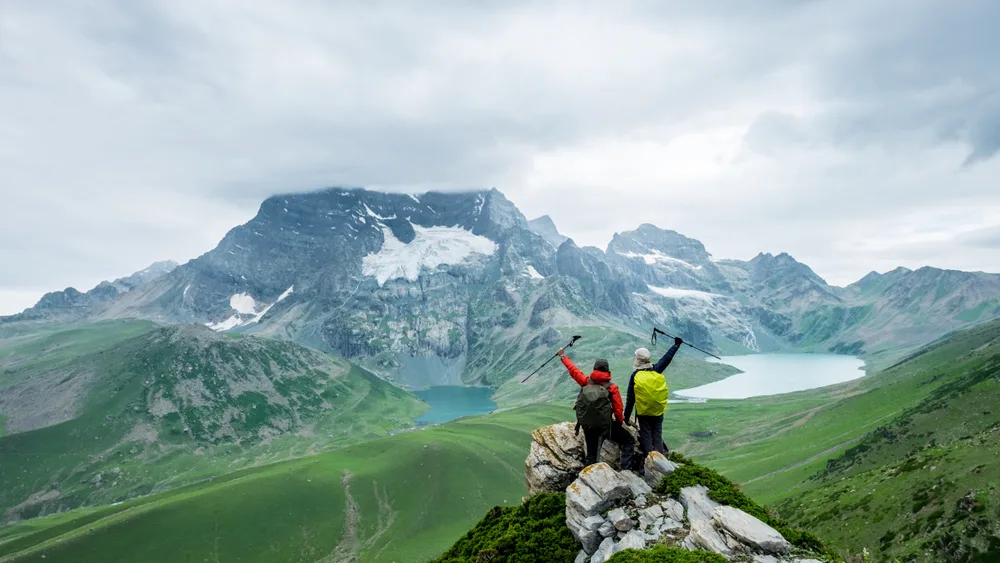
Conquer the Summit: At the Kedarkantha Summit, strike the ‘I rule the world’ pose against a backdrop of awe-inspiring views. It’s not just a summit; it’s a moment to create an envy-worthy profile picture.
Enchanting Campsites: Each campsite along the trek is a canvas of unique beauty, unmatched by any other. Experience the charm of these sites nestled amidst the Himalayas.
Camp at Frozen Juda ka Talab: Camping beside the frozen Juda ka Talab, a place steeped in myth and believed to be where Lord Shiva once meditated, offers a surreal and spiritual experience.
Nighttime Trekking and Sunrise: Walk amidst the dark with head torches illuminating the way, leading up to a mesmerizing sunrise from atop a mountain before reaching the Summit. It’s a blend of adventure and serene beauty encapsulated in one experience.
Juda Ka Talab:
A picturesque jewel en route, Juda Ka Talab is a serene lake enveloped by lush pine forests. The campsite, a brief walk from the lake, offers a tranquil setting for trekkers to spend a night amidst nature’s grandeur. In peak winters, the lake freezes, providing an adventurous opportunity to walk on its frozen surface. The trek to Juda Ka Talab from Sankri spans 4 KM and takes 3-4 hours, perfect for a single-night camping experience.

Juda ka Talab
Base Camp:
Around 3-4 hours from Juda Ka Talab lies the Kedarkantha Base Camp at an altitude of 11,250 feet (3429 meters). This campsite, bustling with numerous tents, serves as a resting spot for the second night. As trekkers ascend further, the treeline starts thinning, unveiling panoramic vistas.
Summit Trek:
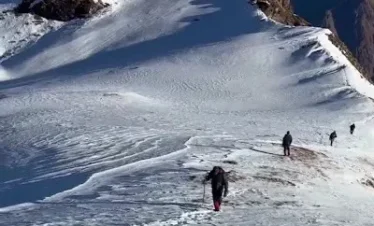
The final stretch from the Base Camp to the Kedarkantha peak is relatively short but steep. Starting early is recommended to relish the mesmerizing sunrise at the peak. The total trekking distance typically spans 20 to 24 km across 4 to 6 days, encompassing both ascent and descent.


Difficulty, Fitness & Altitude
Kedarkantha is rated Easy to Moderate, making it one of the most beginner-friendly Himalayan summits. The trail is well-defined, daily distances are short (4–6 km), and the altitude gain is gradual. The main challenges are winter cold and the steep final push to the summit.
🏔️ Altitude Profile
Sankri (6,400 ft) → Juda Ka Talab (9,100 ft) → Base Camp (11,250 ft) → Summit (12,500 ft). Gradual ascent with one rest/acclimatization night at Juda Ka Talab.
💪 Fitness Preparation
You should be able to walk 5–6 km comfortably. Train with brisk walking, stair climbing and squats for 4–6 weeks before the trek. Prior trekking experience is helpful but not mandatory.
In winter, temperatures can drop below -10°C at night. Proper layering, waterproof shoes and a warm sleeping bag are essential. The summit day starts early and involves a steep climb on snow; microspikes are typically provided by the operator when needed.
How to Reach Sankri
Sankri is the road-head for the Kedarkantha Trek, located about 200 km from Dehradun in Uttarkashi district. Dehradun is the nearest major city, railhead and airport.
✈️ By Air
Fly to Jolly Grant Airport (DED), Dehradun. From the airport, take a taxi to Dehradun city (Prince Chowk/ISBT) and then a shared cab or bus to Sankri.
🚆 By Train
Dehradun Railway Station is the nearest railhead. Overnight trains from Delhi are convenient. From the station, take a shared cab or bus to Sankri.
🚌 By Road
Direct buses from Dehradun ISBT to Sankri depart early morning (around 5:30 AM). Alternatively, take a bus to Purola or Mori and then a shared cab to Sankri. Drive time: 8–10 hours.
Tip: Start early from Dehradun to reach Sankri before dark. Road conditions can vary, especially in winter and monsoon.
What to Pack & Gear Rental
🎒 Essential Packing List
- Insulated trekking shoes (ankle support)
- 3–4 pairs wool socks
- Thermal top & bottom
- Fleece jacket + padded jacket
- Waterproof/windproof outer layer
- Balaclava, beanie, liner + waterproof gloves
- Headlamp with spare batteries
- UV400 sunglasses, sunscreen, lip balm
- 1L water bottle + 1L flask
- Personal medicines & first-aid
- Power bank
🧥 Gear Rental (Sankri/Dehradun)
Operators typically provide microspikes and gaiters on snow days. Rentals available at Sankri or from the operator:
- Trekking pole
- Trekking shoes
- Headlamp
- Down/padded jacket
- Backpack (55–65L)
Rental costs vary; pre-book with your operator to ensure availability.
Kedarkantha Trek – FAQs
Planning the Kedarkantha Trek? Here are answers to the questions trekkers ask most often — covering the best time, difficulty, altitude, distance, fitness, permits, connectivity and safety for this classic winter summit.
What is the best time to do the Kedarkantha Trek?
The best time for the Kedarkantha Trek is from December to April, with peak trekking conditions from December to February. During this period, the trail is blanketed with snow, offering stunning winter landscapes and serene mountain views. While the snow adds a bit of challenge, the trek remains accessible for beginners with proper preparation. The months of March and April provide a different experience, with melting snow and blooming flora, making it an ideal time for those seeking a mix of snow and greenery.
Is the Kedarkantha Trek suitable for beginners?
Yes, the trek is considered relatively moderate and is suitable for beginners with basic fitness levels. The daily distances are short, the trail is well-defined, and the altitude gain is gradual — making it one of the most beginner-friendly Himalayan summits.
How difficult is the Kedarkantha Trek?
The Kedarkantha Trek difficulty is rated Easy to Moderate. The main challenges are winter cold (temperatures can drop below -10°C at night) and the steep final push to the summit. With 4–6 weeks of basic fitness preparation, most healthy trekkers can complete it comfortably.
What is the highest altitude reached during the trek?
The highest point of the trek is the Kedarkantha Summit at an altitude of 12,500 feet (approx. 3,800 m).
How many kilometres is the Kedarkantha Trek?
The Kedarkantha Trek distance is approximately 20–24 km over 4 trekking days from Sankri. Some itineraries report slightly shorter or longer distances depending on the campsite arrangements and route conditions.
What type of weather conditions can be expected during the trek?
During the day, temperatures range from around 8°C to 15°C, while at night, it can drop to as low as -5°C to 3°C (and colder in January–February). Fresh snowfall is common between December and February.
What type of accommodation is available during the trek?
Accommodations typically include guest houses or homestays in Sankri and camping at designated sites with necessary camping equipment provided. Tents are usually on a twin, triple or quad-sharing basis.
Are there any restrictions or permits required for the trek?
Yes, permits are usually required for the Govind Wildlife Sanctuary area, and they are often arranged by trek organizers as part of the Kedarkantha Trek package. Foreign nationals may have higher permit fees.
What fitness level is required for the trek?
A moderate level of fitness is recommended. Regular walking, light cardio, stair climbing and squats for 4–6 weeks before the trek can be beneficial. You should be comfortable walking 5–6 km on hilly terrain.
Is it safe to trek during winter months?
Trekking during winter months is safe with proper guidance, appropriate clothing, and equipment. Trek organizers usually ensure safety measures, and microspikes are provided on snow days. Always follow the trek leader’s instructions.
What should I pack for the Kedarkantha Trek?
Essentials include trekking gear, warm clothing (thermals, fleece, padded jacket), trekking shoes, a backpack, water bottles, sunscreen, sunglasses, and personal medication. In winter, a balaclava, gloves and extra wool socks are essential.
How do I reach the starting point of the trek?
Dehradun is the nearest major city. From there, one can reach Sankri, the starting point, either by road or private transport arranged by trek organizers. The drive is approximately 200 km and takes 8–10 hours.
Is there mobile network on the Kedarkantha Trek?
Network is very limited. Sankri has partial connectivity (BSNL weak, Jio intermittent), but there is no reliable signal at Juda Ka Talab, base camp or the summit. Inform family before starting and plan accordingly.
What is the minimum and maximum age limit for the Kedarkantha Trek?
The minimum age limit is 9 years. However, minors between 9 to 17 years of age should be accompanied by their parents/guardians. If you are above the age of 60, kindly carry a medical certificate from your doctor that deems you fit for adventure activities like trekking.
What is included in the Kedarkantha Trek package?
A typical Kedarkantha Trek package includes trek accommodation, meals during trek days, permits, certified trek leader, camping equipment (tents, sleeping bags, mats), safety equipment and, on the Dehradun package, round-trip transportation. Check the current inclusions at booking, as operator policies vary.
Note: Weather, snow conditions and trail access can change quickly in the Himalayas. Distances, altitudes and itinerary details are approximate. Confirm current inclusions, permit requirements and cancellation terms with Super Trekkers before booking.
Why Choose Super Trekkers for your Kedarkantha Trek?
- Experienced and certified guides: We have a team of highly experienced and certified guides who will ensure your safety and make your trek enjoyable.
- Excellent logistics: We take care of all the logistics, including transportation, accommodation, and meals, so you can focus on enjoying your trek.
- Small group sizes: We keep our group sizes small to ensure that you get personalized attention from our guides.
- Commitment to sustainability: We are committed to sustainable travel practices and minimizing our impact on the environment.
-
12,500 ft
-
Day (8°C to 15°C) and Night: (-12°C to 3°C)
-
November to April
-
20 km
-
Included
-
Guest house/Home stay/Camping
-
Meals while on trek (Veg.)
-
4-6 hrs hours of trekking.
-
All necessary permits and entry fees
-
Dehradun/Sankari
Inclusions/Exclusions - Kedarkantha Trek
Inclusions
- Transport
- Forest permits & entrance fees
- Accommodation (Hotels + Tents, twin-sharing)
- All meals (breakfast, packed lunch, tea/coffee, snacks, dinner)
- Camping equipment (tents, sleeping bags, mattresses, pillows)
- Toilet tents (separate for men/women)
- Dining tent + table
- Porters, helpers, mules, kitchen team
- Radio / walkie-talkie communication
- Certified trek leader + technical guide
- Medical kit + oxygen cylinders
- Crampons and gaiters
Exclusions
- Personal insurance
- Personal trekking equipment
- Tipping for guides/porters
- Donations to locals
- Medical certificate fee
- En-route meals on Day 1 (breakfast/lunch) & Day 5 (lunch/dinner)
- Domestic airport tax (₹170)