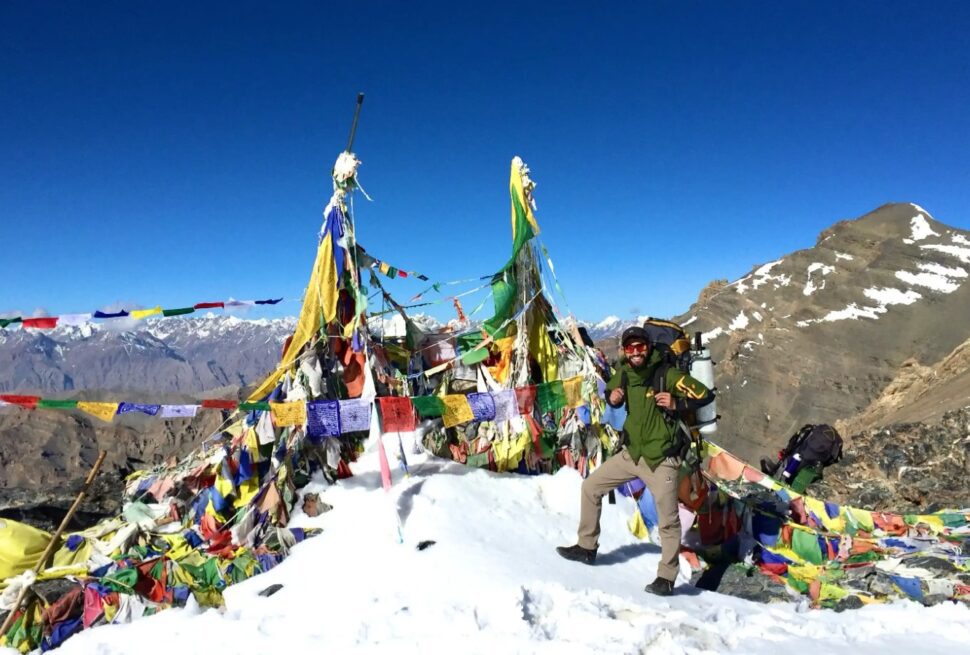
If there’s one Himalayan adventure that balances breathtaking beauty, cultural richness, and an achievable challenge, it’s the Annapurna Base Camp (ABC) Trek. At 4,130 meters above sea level, the base camp sits at the foot of the mighty Annapurna I (8,091m) — the world’s 10th highest mountain — offering trekkers a rare 360° Himalayan amphitheater view.
In 2024, over 55,000 trekkers completed the ABC trek, and it’s projected to grow further in 2025 due to improved trail conditions and increasing popularity among both first-time trekkers and seasoned hikers. Whether you’re drawn by the snow-capped peaks, the lush rhododendron forests, or the vibrant Gurung culture, this guide provides everything you need to plan your trek — from permits to packing lists, from daily routes to cost breakdowns..
Schedule a FREE Guidance Call with Super Trekkers today!
📌 Booking Information
For expert guides, porters, permits, and a fully customized Annapurna Base Camp trek, contact Super Trekkers:
📞 +91-18855-070606 | 🌐 SuperTrekkers.in | WhatsApp available

Overview of the Annapurna Base Camp Trek
The Annapurna Base Camp Trek is one of the most popular trekking routes in Nepal, offering breathtaking views of the Himalayas. This journey takes you through diverse landscapes, from lush forests to snow-capped peaks, culminating at the base camp of Annapurna, the 10th highest mountain in the world. The trek is categorized as a moderate to difficult level, spanning approximately 90 kilometers and typically completed within seven to eight days.
Annapurna Base Camp Trek: Quick Guide
Trek Overview
- Duration: 7-12 days
- Distance: Approx. 110 kilometers
- Max Altitude: 4,130 meters (Annapurna Base Camp)
- Difficulty: Moderate
- Start/End Point: Pokhara
Best Time to Trek
Pre-monsoon: February to late April
Post-monsoon: Late September to late November
Essential Packing List
- Layered clothing (thermal, fleece, waterproof)
- Sturdy trekking boots
- Sleeping bag
- Trekking poles
- First-aid kit
Tips for Success
- Prepare physically in advance
- Stay hydrated to help with altitude sickness
- Pace yourself – slow and steady
- Respect local customs and traditions
- Practice ‘Leave No Trace’ principles

Major Attractions : Annapurna Base Camp Trek
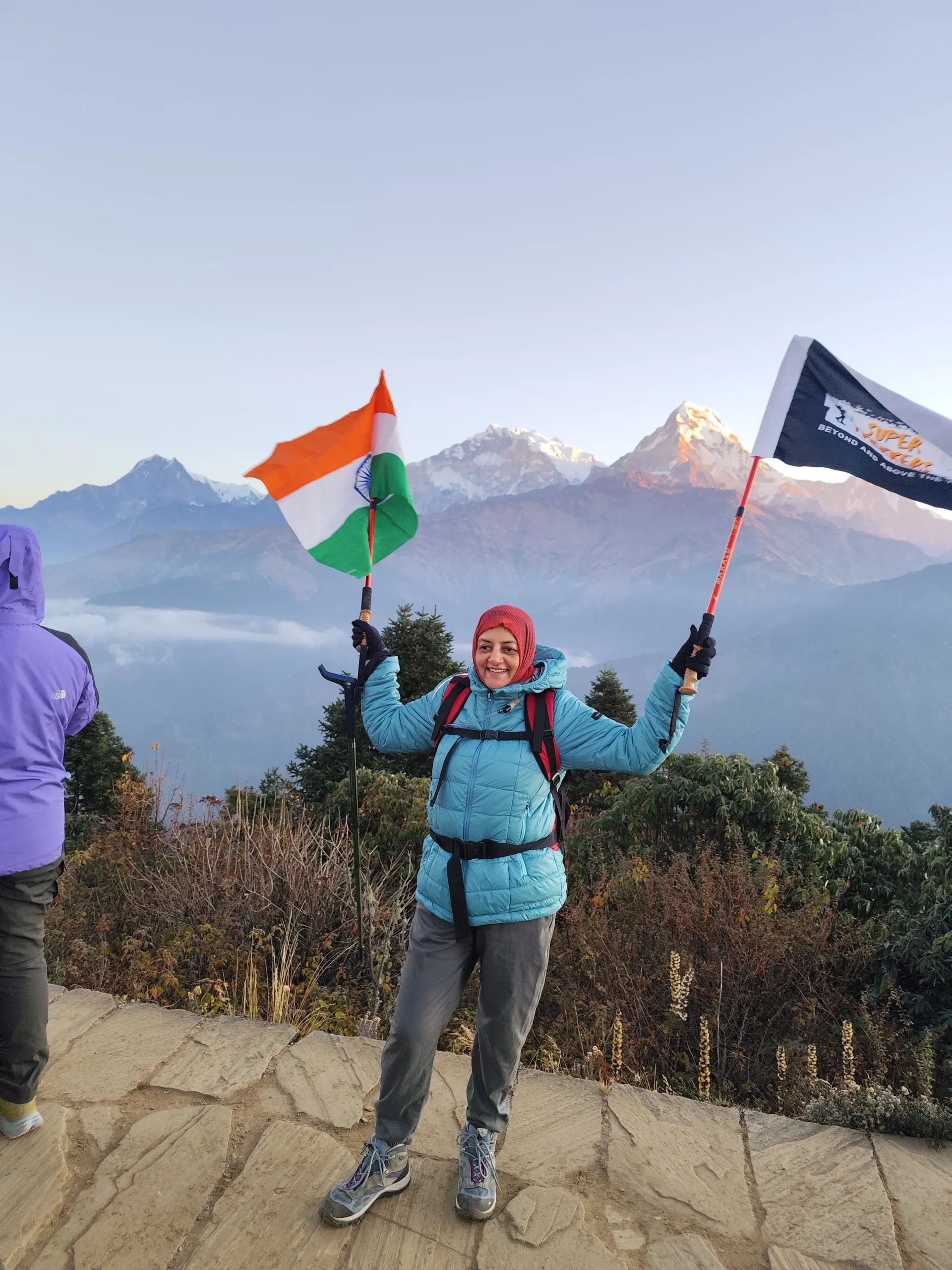
- 🌄 Sunrise at Poon Hill with panoramic Annapurna & Dhaulagiri ranges
- 🏔 Stunning views of Annapurna I, Machapuchare, Hiunchuli, and Annapurna South
- 🏞 Lush rhododendron & bamboo forests
- 🏘 Authentic Gurung & Magar villages like Ghandruk
- 💧 Natural hot springs at Jhinu Danda
- 🌌 Stargazing from Annapurna Base Camp

Why Choose Annapurna Base Camp Trek?
Are you torn between different treks? The Annapurna Base Camp Trek offers a unique blend of stunning landscapes and cultural experiences. Unlike the Everest Base Camp Trek, this journey takes you through lush forests, terraced fields, and traditional Gurung villages. It’s not just about the destination; it’s about the journey.
- First-time Himalayan trekkers looking for a high-altitude experience without extreme difficulty.
- Photographers seeking varied landscapes in one route.
- Families & groups (children above 12 recommended with good fitness).
- Solo trekkers who prefer well-marked, safe trails.
Annapurna Base Camp Trek Overview
So, what are you in for? The Annapurna Base Camp Trek typically takes around 7 to 12 days, covering approximately 110 kilometers. The highest point you’ll reach is 4,130 meters at Annapurna Base Camp itself. The trek usually starts and ends in Pokhara, a beautiful lakeside city.
Annapurna Base Camp Trek best season
When should you go? The best time to trek Annapurna Base Camp is during the pre-monsoon (February to late April) and post-monsoon (late September to late November) seasons. These periods offer clear skies and moderate temperatures, perfect for enjoying the breathtaking views.
- Spring: Rhododendron forests in full bloom.
- Autumn: Clear skies and stable weather conditions.
Annapurna Base Camp Trek: Seasonal Guide
Spring (March to May)
Day: 5°C to 20°C (41°F to 68°F)
Night: -5°C to 10°C (23°F to 50°F)
Best time: Warm and sunny weather, ideal for viewing wildflowers and clear mountain views.
Summer (June to August)
Temperature: 15°C to 30°C (59°F to 86°F)
Warm and humid with most rainfall. Monsoon season makes terrain slippery, but offers lush scenery.
Autumn (September to November)
Day: 5°C to 20°C (41°F to 68°F)
Night: -5°C to 10°C (23°F to 50°F)
Peak season: Revitalized landscape and clear skies.
Winter (December to February)
Temperature: -20°C to 5°C (-4°F to 41°F) at higher elevations
Coldest season. Fewer crowds and clear skies, but requires warm clothing.
Annapurna Base Camp Trek Itinerary:
What’s the plan? Here’s a basic itinerary to give you an idea of what to expect:
The trek can be started from either Nayapul or Ghandruk. Starting from Ghandruk saves one day of trekking.
Annapurna Base Camp Trek: 9-Day Itinerary
-
1Arrive in Pokhara
-
2Drive to Nayapul and trek to Ghandruk
-
3Trek to Chhomrong
-
4Trek to Dovan
-
5Trek to Deurali
-
6Trek to Annapurna Base Camp
-
7Trek back to Bamboo
-
8Trek to Jhinu Danda (hot springs!)
-
9Trek to Nayapul and drive to Pokhara
Day 1: Arrive in Pokhara.
Arrive in the beautiful city of Pokhara. Spend the day settling in, enjoying the serene lakeside atmosphere, and preparing for your trek. This is a great opportunity to do some last-minute gear checks and get your permits if you haven’t already.
Day 2: Drive to Nayapul and Trek to Ghandruk.
Your adventure begins with a scenic drive from Pokhara to Nayapul. From there, you’ll begin your trek, ascending to the charming Gurung village of Ghandruk. This village is known for its traditional slate-roofed houses and stunning, close-up views of Annapurna South, Hiunchuli, and Machhapuchhre.
Day 3: Trek to Chhomrong.
Today’s trek involves a descent through terraced farmlands and then a steep climb to Chhomrong. This bustling village sits on a ridge with a commanding view of the Modi Khola valley and serves as a major gateway to the Annapurna Sanctuary.
Day 4: Trek to Dovan.
The trail from Chhomrong is a memorable one, descending over 2,000 stone steps before crossing the Chhomrong Khola. You’ll then ascend gradually through a thick forest of bamboo and rhododendron, a stretch of the trail that is particularly beautiful during the spring bloom.
Day 5: Trek to Deurali.
This day is a shorter but more significant one as you gain considerable altitude. The path continues to wind through dense forests, with the landscape becoming more alpine as you ascend. You’ll pass through several small settlements and get your first real sense of the high mountain environment.
Day 6: Trek to Annapurna Base Camp (ABC).
The most anticipated day of the trek! From Deurali, the trail climbs steadily into the heart of the Annapurna Sanctuary. You will first reach Machhapuchhre Base Camp (3,700m), offering a 360-degree view of the surrounding peaks. A final, exhilarating ascent brings you to Annapurna Base Camp (4,130m), where you’ll be surrounded by a magnificent panorama of the Annapurna massif.
Day 7: Trek back to Bamboo.
Wake up early to witness a breathtaking sunrise over the Himalayas from ABC. After soaking in the views and capturing memories, you’ll begin your descent, retracing your steps back down the valley to the village of Bamboo. The downhill journey is easier, but still requires careful footing.
Day 8: Trek to Jhinu Danda (hot springs!).
A well-earned day of descent takes you to Jhinu Danda. The main attraction here is the natural hot springs located by the Modi Khola river. It’s the perfect place to soak your tired muscles and relax after days of trekking.
Day 9: Trek to Nayapul and drive to Pokhara.
This is the final day of your trek. After a short descent from Jhinu Danda to Nayapul, you’ll meet your vehicle for the drive back to Pokhara. You’ll celebrate the completion of your incredible journey in the comfort of a hotel, reflecting on the spectacular landscapes and memories you’ve made.
Alternative Routes
- ABC + Mardi Himal Trek – Combine two iconic treks
- Ghorepani Poon Hill Loop – Add sunrise views over Dhaulagiri and Annapurna ranges
- From Ghandruk – Shorter, scenic start with cultural immersion
How to Reach
To begin the trek, travelers must first arrive in Pokhara, Nepal. While there are no direct flights to Pokhara, flights are available to Kathmandu, followed by a short flight or bus ride to Pokhara. Travelers have multiple options for reaching Pokhara from Kathmandu, including tourist buses, local buses, shared cabs, and flights. For budget-conscious travelers, taking a train from Delhi to Gorakhpur and then a cab to Pokhara is a viable option.
Food
The Annapurna Base Camp Trek offers a variety of food options, including pizza, noodles, rice, momos, dal, vegetables, and eggs. Prices for food on the trek are fixed by the Nepal Tourism Board and increase as altitude increases. The best value meal on the trek is dalbhat, which offers unlimited servings.
Annapurna Base Camp Trek Difficulty
Is it tough? The Annapurna Base Camp Trek is considered moderately difficult. You’ll need a good level of fitness, as you’ll be walking for several hours each day and gaining significant altitude. Altitude sickness can be a concern, so acclimatization is crucial. The terrain varies from steep stone steps to gentle forest paths.
Difficulty Level
The Annapurna Base Camp trek is considered moderately difficult, especially due to its length (90 kilometers) and the continuous trekking for 5-6 hours daily for 7-8 days. Altitude sickness (AMS) is a risk, particularly from Machhapuchhre Base Camp onwards, with symptoms like headaches and fatigue; Diamox and rest can help, but consulting a doctor beforehand is advised. In emergencies, descending on horseback or helicopter rescue is possible, though costly, making travel insurance (like ASC 360) advisable.
Trekking Permits
You required two permits for the Annapurna Base Camp (ABC) trek and obtainable in Pokhara or Kathmandu,
- ACAP (Annapurna Conservation Area Permit): NPR 3,000 for foreigners; NPR 1,000 for SAARC members
- TIMS (Trekkers’ Information Management System) Card : NPR 2,000 for solo trekkers; NPR 1,000 for groups with guides
For registration, three passport-sized photographs and a valid ID are required.
Packing List for Annapurna Base Camp Trek
What should you pack? Here’s a quick packing list:
- Clothing: Layers are key. Pack thermal tops, fleece jackets, waterproof outerwear, and comfortable trekking pants.
- Footwear: Sturdy, broken-in trekking boots are a must. Bring spare socks and light shoes for the evenings.
- Accessories: Don’t forget a hat, gloves, sunglasses, and a buff.
- Gear: A good quality sleeping bag, trekking poles, and a headlamp are essential.
- Personal Items: Toiletries, a first-aid kit, and any personal medication.

DIY vs Trekking Company
There are five reasons to use a trekking company: food, accommodation, luggage carrying, security, and company. Hiring a porter in Pokhara will cost around 1500 NPR per day. Trails are well-marked and busy, especially during spring and autumn. Trekking companies can help with finding tea houses, obtaining permits, and other small tasks. Those who have trekking experience and understand the risks may not need a guide or porter for this trek.
Budget for ABC Trek
The approximate budget for the Annapurna Base Camp Trek is ₹40,000–₹45,000 per person when trekking with a licensed guide and porter for a 7–8 day itinerary. This cost generally covers permits, accommodation in teahouses, meals during the trek, and guide/porter fees.
For trekkers choosing to go without a guide or porter, the estimated expense comes down to ₹32,000–₹35,000 per person, covering permits, food, accommodation, and local transportation.
Additionally, it is strongly recommended to keep an extra ₹10,000–₹15,000 as a buffer for miscellaneous expenses, emergencies, hot showers, charging devices, or unexpected itinerary changes due to weather.
💡 Costs may vary depending on the trekking season, accommodation type, and personal spending habits.
Tips for a Successful Annapurna Base Camp Trek
How can you make the most of your trek? Here are some tips:
- Be Physically and Mentally Prepared: The trek involves hours of trekking daily for almost a week.
- Prepare Physically: Start training well in advance. Focus on cardio and leg strength.
- Stay Hydrated: Walk at your own pace and allow your body to acclimatize to help avoid acute mountain sickness (AMS).
- Pace Yourself: Don’t rush. Slow and steady is the key to successful trekking.
- Respect the Culture: Be mindful of local customs and traditions.
- Leave No Trace: Keep the trail clean. Carry out all your rubbish.
- Travel Responsibly: Be mindful of the local culture, avoid disruption to the local way of life, and do not litter.
Annapurna Base Camp Trek – Route Map
Popular Route – Nayapul to Annapurna Base Camp
This classic route starts from Nayapul (1.5–2 hours drive from Pokhara) and gradually ascends through villages, forests, and alpine terrain.

FAQs:
Q: Is the Annapurna Base Camp trek safe for solo trekkers?
A: Yes, it is generally considered safe. The trail is well-trodden, and there are many teahouses. However, for enhanced safety and peace of mind, especially regarding navigation and potential emergencies, joining a guided trek is recommended.
Q: Is Annapurna Base Camp safe?
A: Yes, the Annapurna Base Camp (ABC) trek is considered safe for most trekkers as long as you are well-prepared, follow local guidelines, and trek with an experienced guide. The trail is well-established, and thousands of trekkers visit each year without major issues.
Q: What is the best time for the Annapurna Base Camp trek?
A: The best times are Autumn (September to November) and Spring (March to May). These seasons offer the clearest weather, stable trail conditions, and the most spectacular mountain views.
Q: How much does the Annapurna Base Camp trek cost?
A: The cost varies widely. For an independent trekker, budget around $500-$800 USD. Guided treks are more expensive, ranging from $1,000-$2,000 USD, but they include all permits, accommodation, food, and expert guidance.
Q: Do I need a porter for the Annapurna Base Camp trek?
A: While not strictly necessary, a porter can significantly enhance your experience by carrying your heavy gear. This allows you to focus on the trek and enjoy the scenery without the physical strain.
Q: Is altitude sickness a major concern on the Annapurna Base Camp trek?
A: While ABC is at a high altitude, the trek’s gradual ascent profile helps mitigate the risk of severe altitude sickness. However, it’s crucial to be aware of the symptoms, stay hydrated, and never rush your ascent.
Q: What kind of accommodation can I expect on the Annapurna Base Camp trek?
A: The trek offers basic teahouse accommodation. Rooms are simple, usually with two single beds. Food is served in a common dining area. While basic, teahouses are a great place to connect with other trekkers.
Special Information for Indian Trekkers
What documents do I need to enter Nepal?
As an Indian citizen, you do not need a visa. However, to pass through immigration (via air or land), you must carry one of the following in original:
- Valid Indian Passport
- Voter ID Card (issued by the Election Commission of India)
Note: Aadhaar Cards, PAN Cards, or Driving Licenses are generally not accepted as valid travel documents for entry into Nepal by air. For minors (under 18), a Birth Certificate or a School ID (accompanied by parents) is required.
How much can I save on trekking permits?
Indian trekkers (SAARC nationals) enjoy a massive discount compared to international trekkers. For a trek like Annapurna Base Camp (ABC) or Everest Base Camp (EBC):
- ACAP Permit: ₹625 (NPR 1,000) vs. ₹1,875 (NPR 3,000) for foreigners.
- TIMS Card: ₹375 (NPR 600) vs. ₹1,250 (NPR 2,000) for foreigners.
- 2026 Update: All trekkers now pay a mandatory NPR 1,000 “Green Fee” for waste management in conservation areas. Even with this, you still save over ₹3,000 per person on total permit costs.
Can I use UPI (PhonePe/GPay) in Nepal?
Yes! As of 2026, UPI is widely integrated with Nepal’s Fonepay network.
- You can scan QR codes at most hotels, cafes, and gear shops in Kathmandu and Pokhara.
- Limit: Ensure your bank has “International UPI” enabled.
- Tip: While UPI works in cities, always carry Cash (NPR) once you head into the mountains, as network connectivity on the trails can be spotty.
Is Indian Currency (INR) accepted?
Yes, but with specific rules:
- Notes: ₹10, ₹20, ₹50, and ₹100 notes are universally accepted.
- High-Value Notes: ₹200 and ₹500 notes are now legally accepted for tourism payments up to a limit of ₹25,000 per person.
- Exchange: The rate is fixed at 1 INR = 1.60 NPR.
What is the cheapest way to reach the trek starting point?
While flying to Kathmandu is the fastest, many Indian trekkers prefer the Overland Route:
- To Annapurna/ABC: Take a train to Gorakhpur, then a bus/taxi to the Sonauli Border. From there, it’s a scenic 6-hour drive to Pokhara.
- Savings: This can save you up to ₹10,000–₹15,000 compared to international flight tickets.
Is it easy to find Vegetarian/Indian food?
Absolutely. The local staple Dal Bhat (Lentils, Rice, and Veggies) is almost identical to home-cooked Indian meals. It is the best fuel for trekking. Most teahouses also serve Poha, Parathas, and Masala Tea.
Annapurna Base Camp Trek Guide: Final Thoughts
The Annapurna Base Camp Trek Guide is your roadmap to an unforgettable journey. With stunning landscapes, rich cultural experiences, and the thrill of standing at the base of one of the world’s highest peaks, this trek is an adventure of a lifetime.
Other Trek Guide
- Exploring Mount Kilimanjaro: The Complete Trekking Guide to Africa’s Highest Peak
- The Ultimate Guide to the Marchoi Trek in Kashmir
- Warwan Valley Trek: Unveiling Kashmir’s Hidden Gem & Ultimate Guide
- Kailash Mansarovar Yatra Routes : Complete Guide
- The Ultimate Guide to the Kedarkantha Trek
Important Link