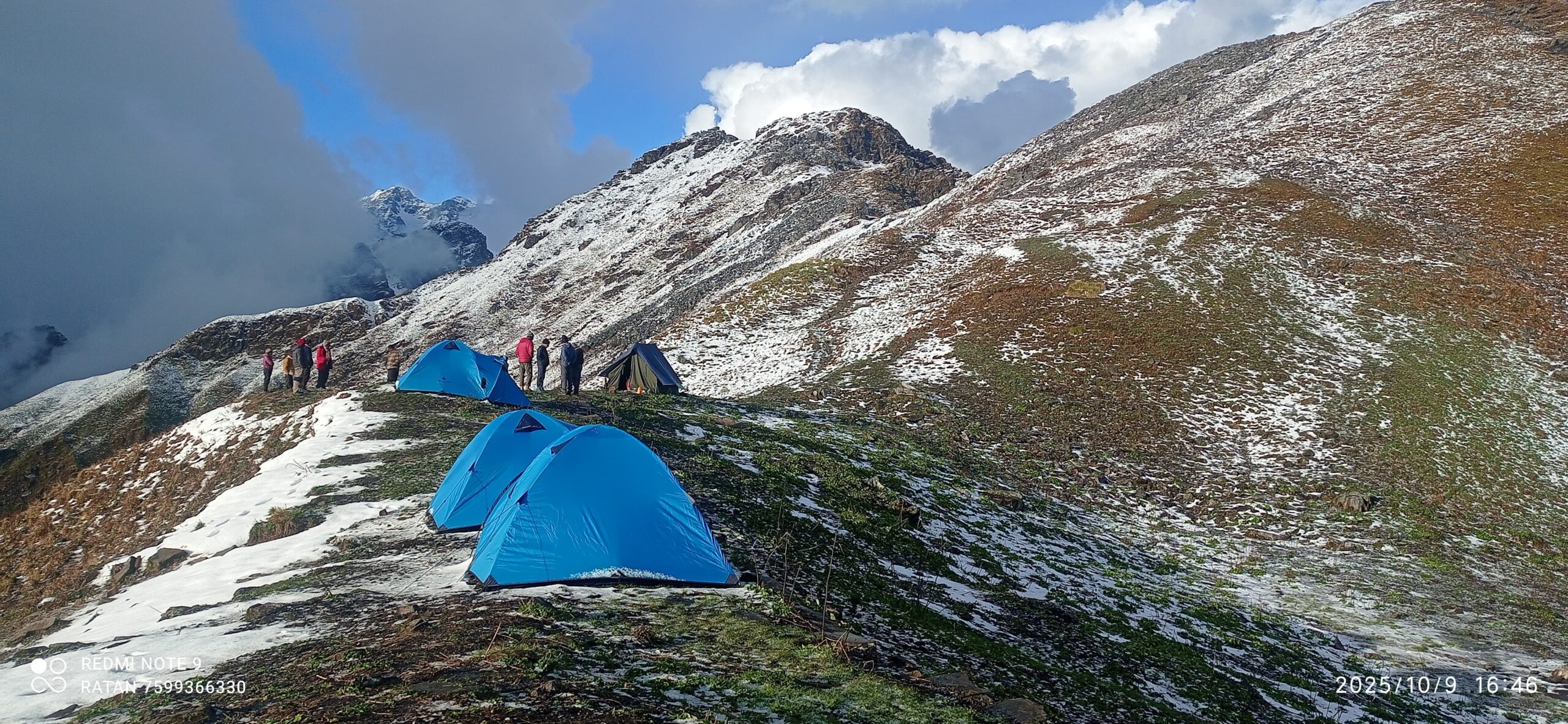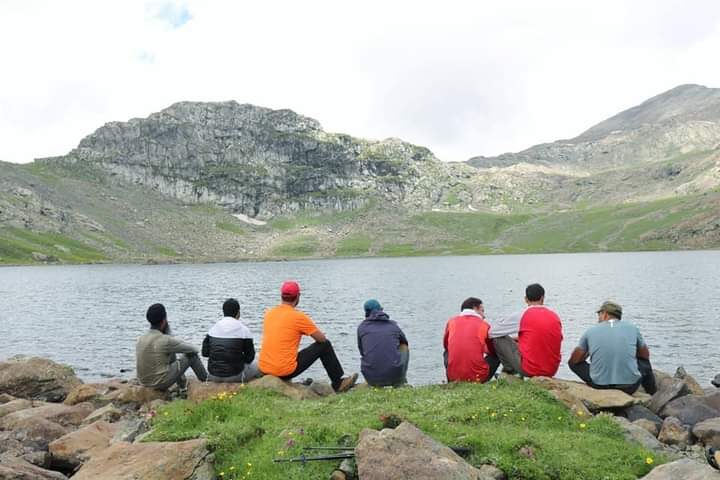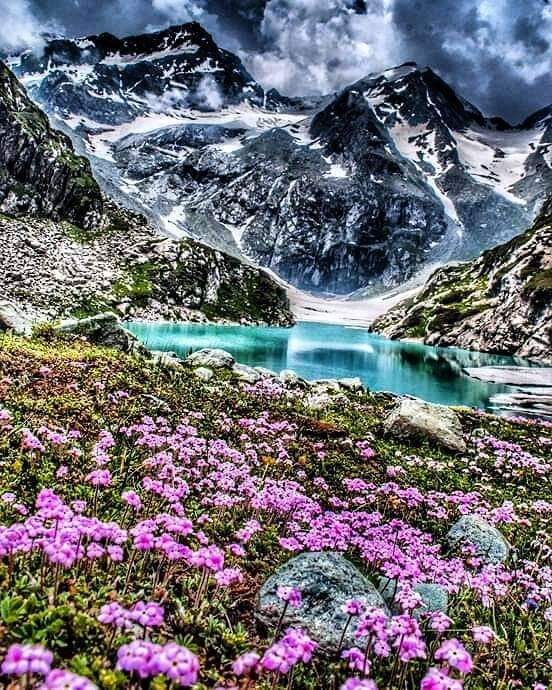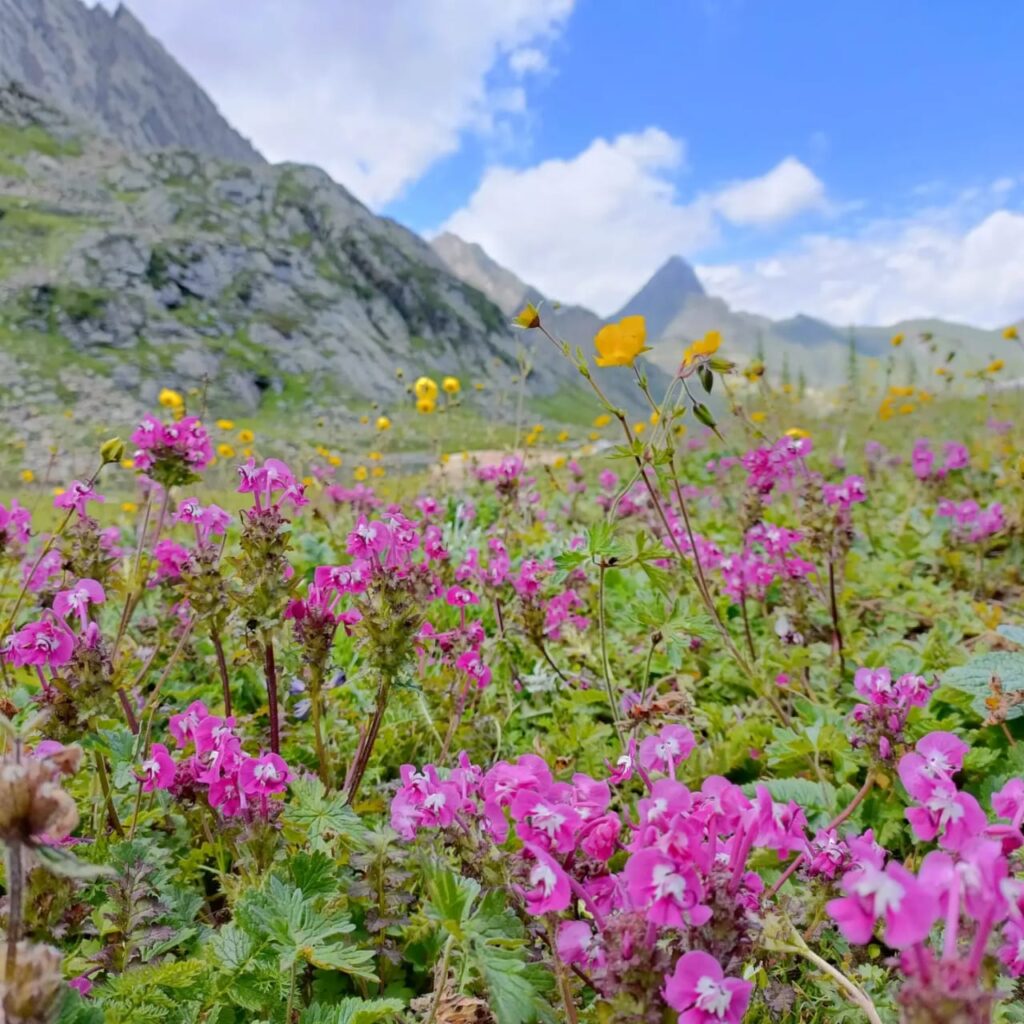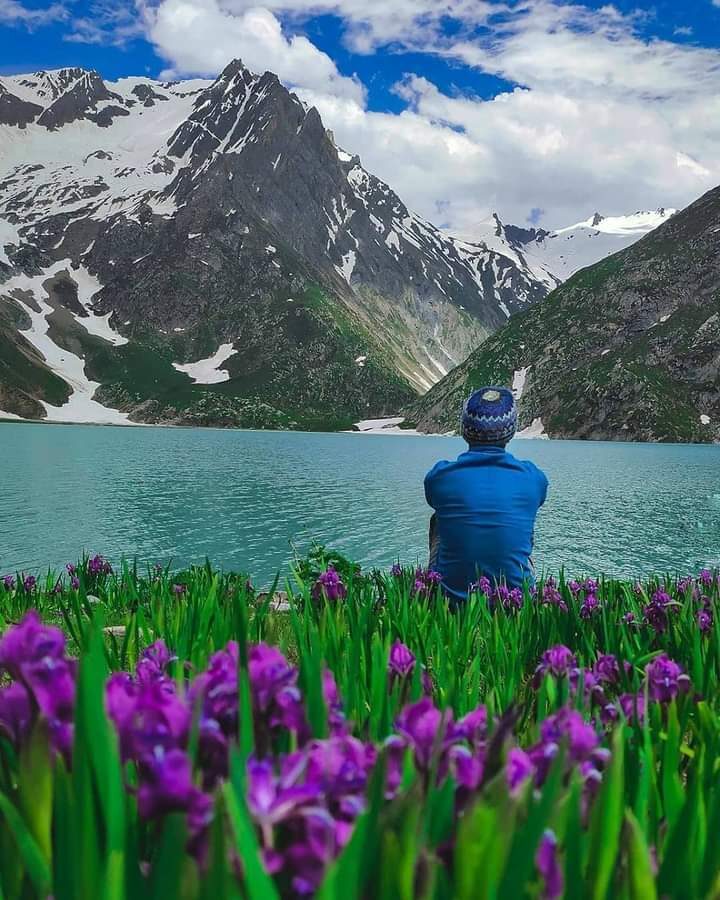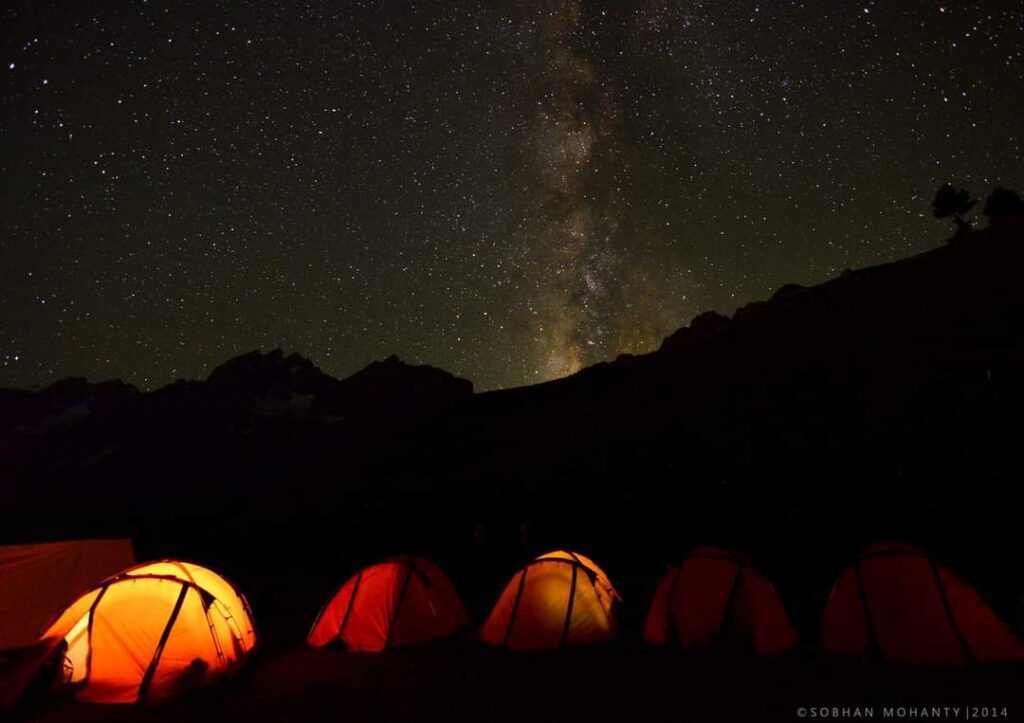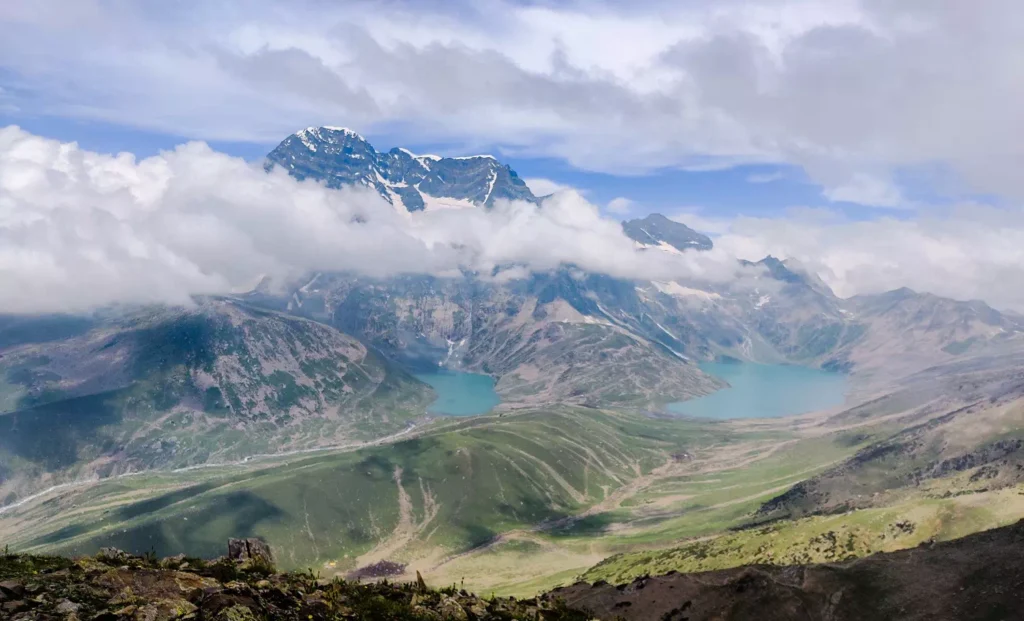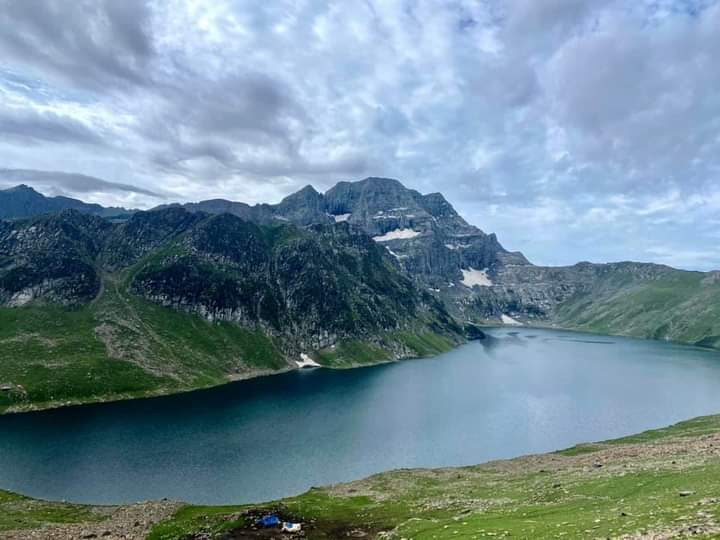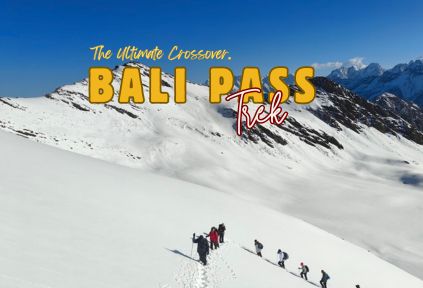
One of the toughest and most thrilling Himalayan pass crossings in India
Ready to push your limits and cross one of the most thrilling Himalayan passes? The Bali Pass Trek is not just a trek—it’s a test of endurance, courage, and spirit. A perfect blend of alpine meadows, glacier crossings, and technical terrain — the Bali Pass Trek is for those who crave real adventure.
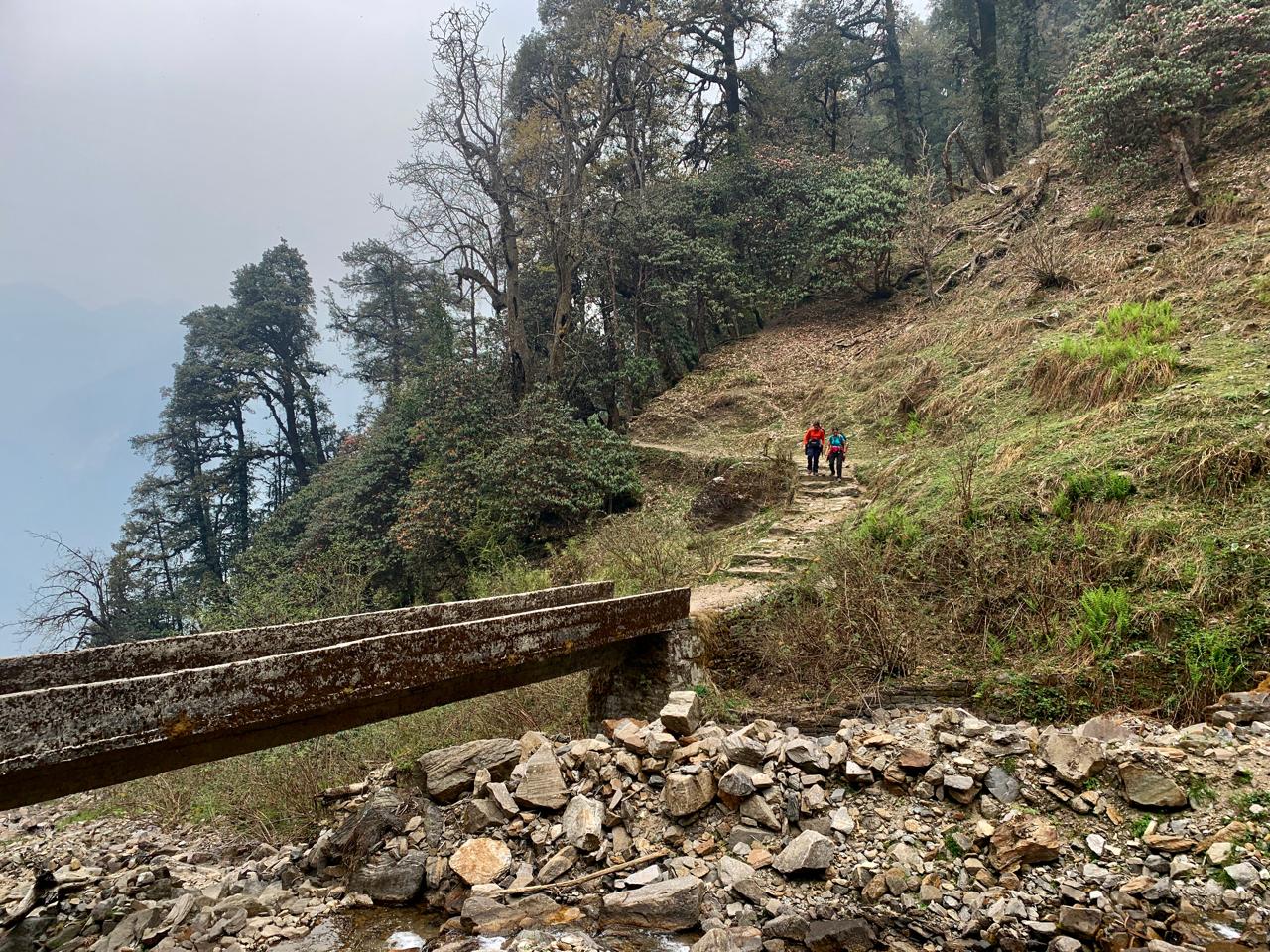
The Bali Pass Trek is a raw Himalayan adventure. It connects Har Ki Dun valley to Yamunotri. You walk through forests, meadows, glaciers, and snow ridges. This trek tests your limits.
If you want a real challenge, this is perfect. The bali pass trek is known for steep climbs and high altitude. It is one of the most rewarding treks in India.
Quick Trek Facts
- Duration: 8 Days / 7 Nights
- Maximum Altitude: 4,950 Meters (16,240 Feet)
- Difficulty: Difficult (Grade: Challenging)
- Trek Distance: Approx. 77 km
- Starting Point: Sankri, Uttarakhand
- Ending Point: Janki Chatti (Yamunotri)
- Best Time: Pre-monsoon (May-June) & Post-monsoon (Sept-Oct)
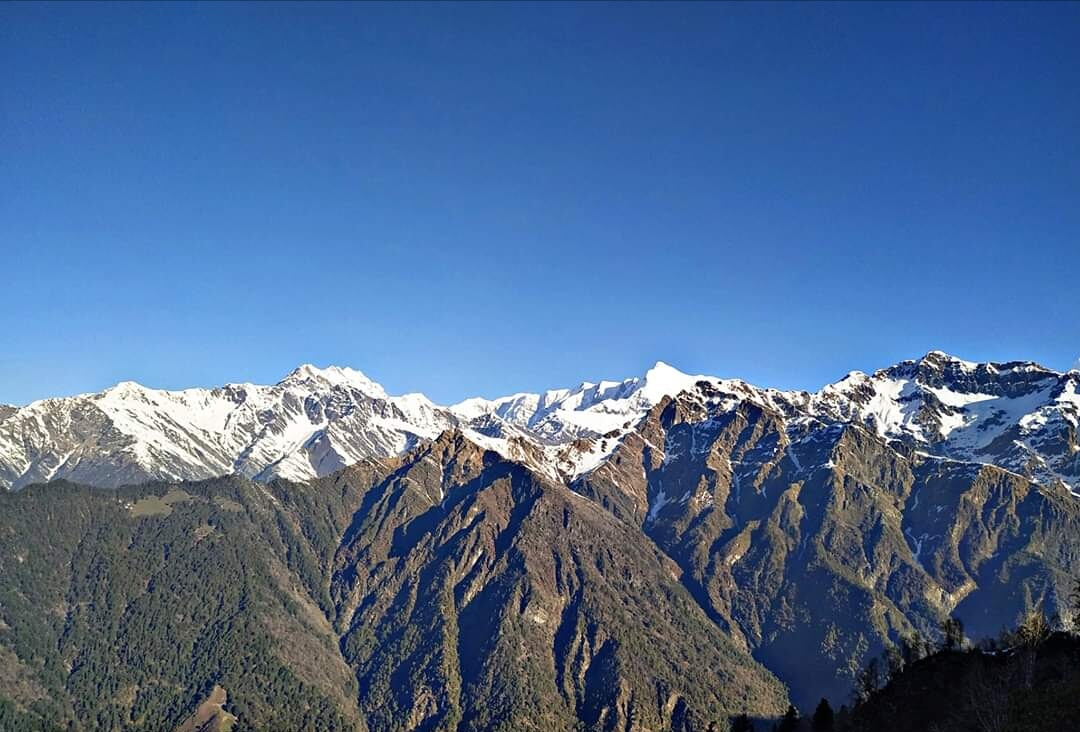
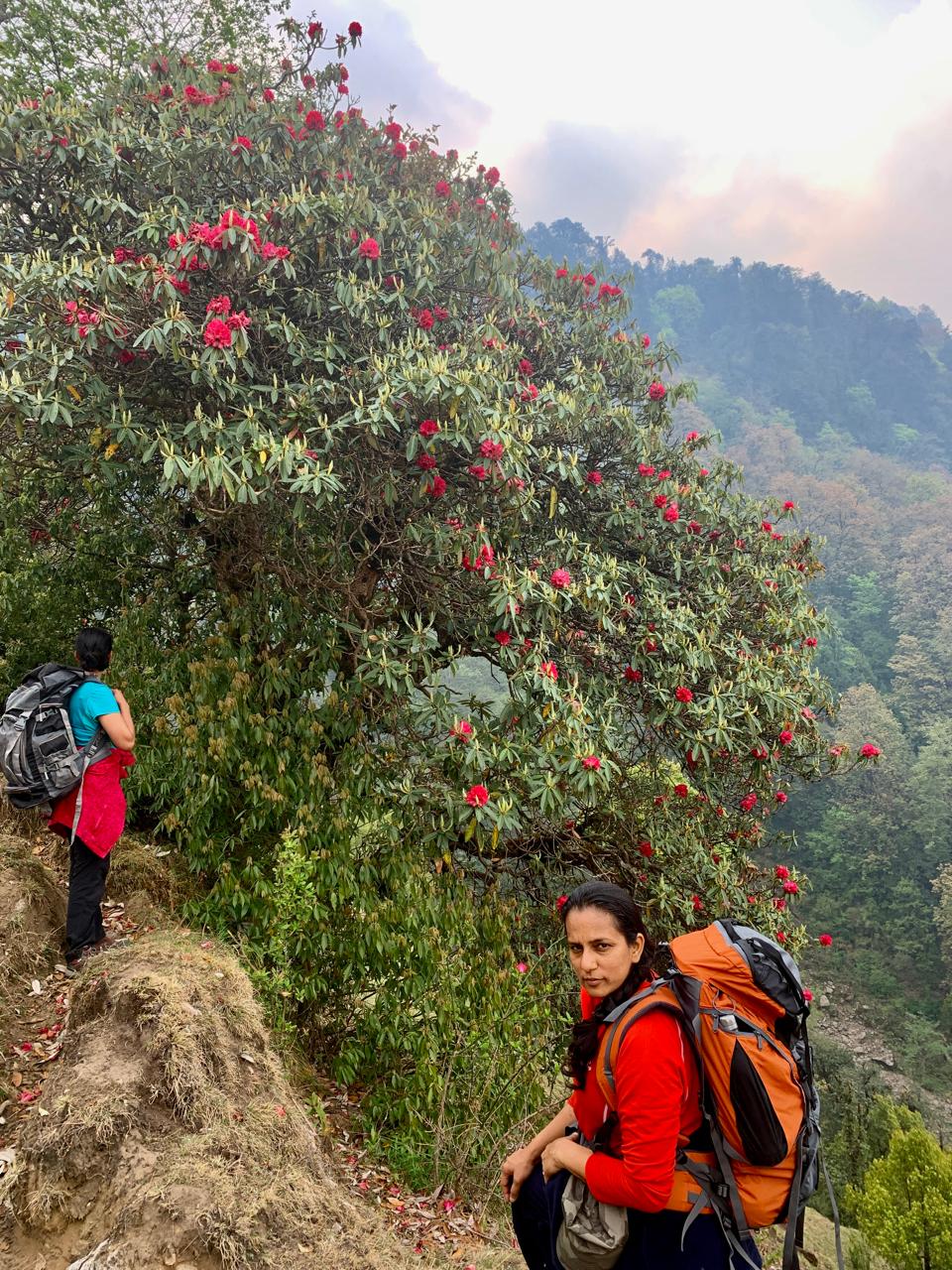
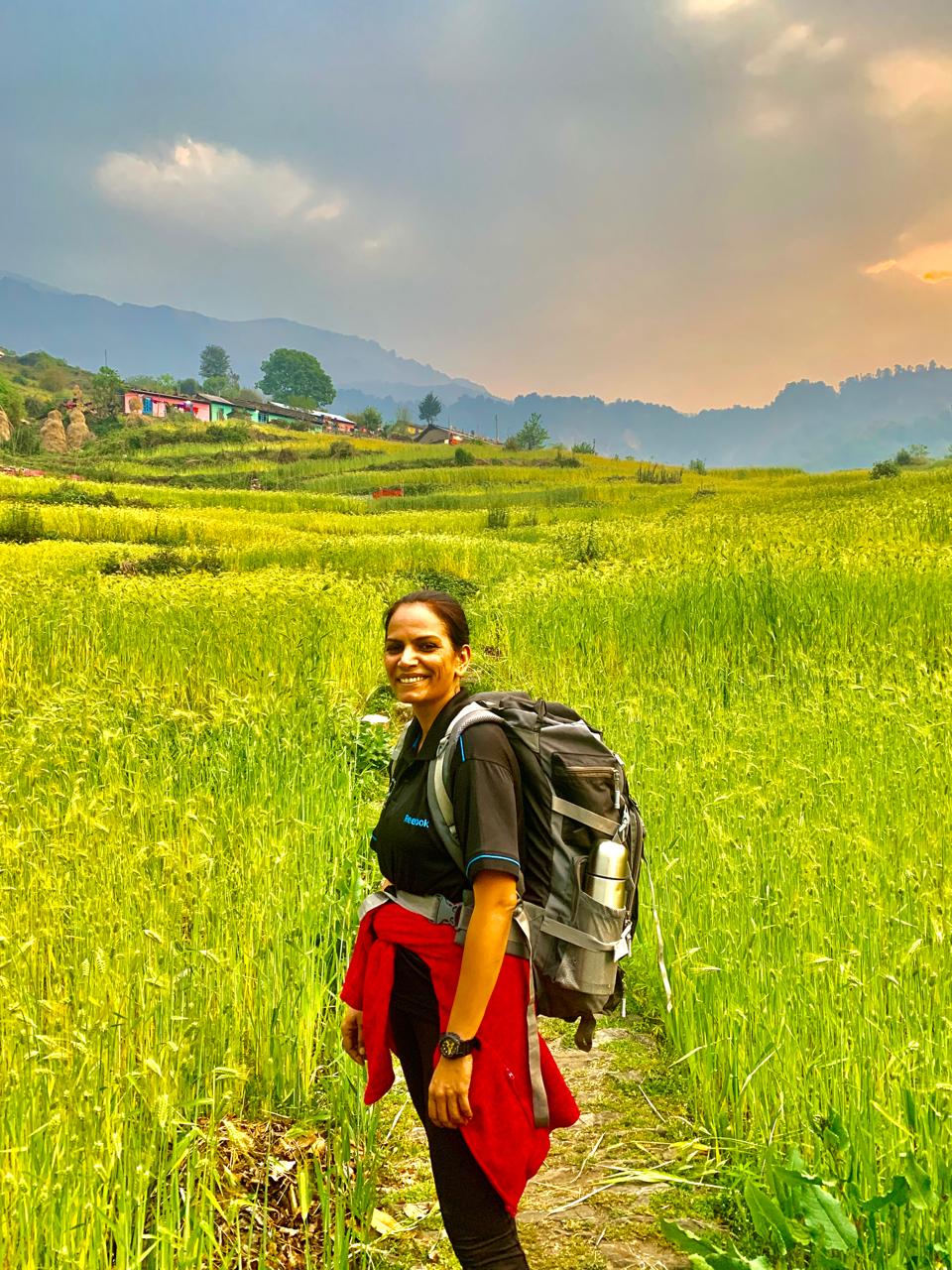
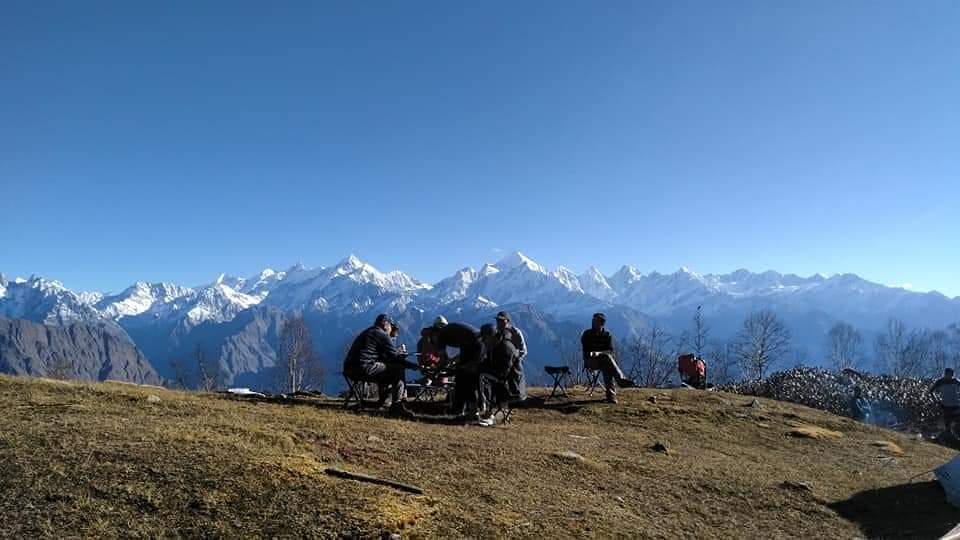
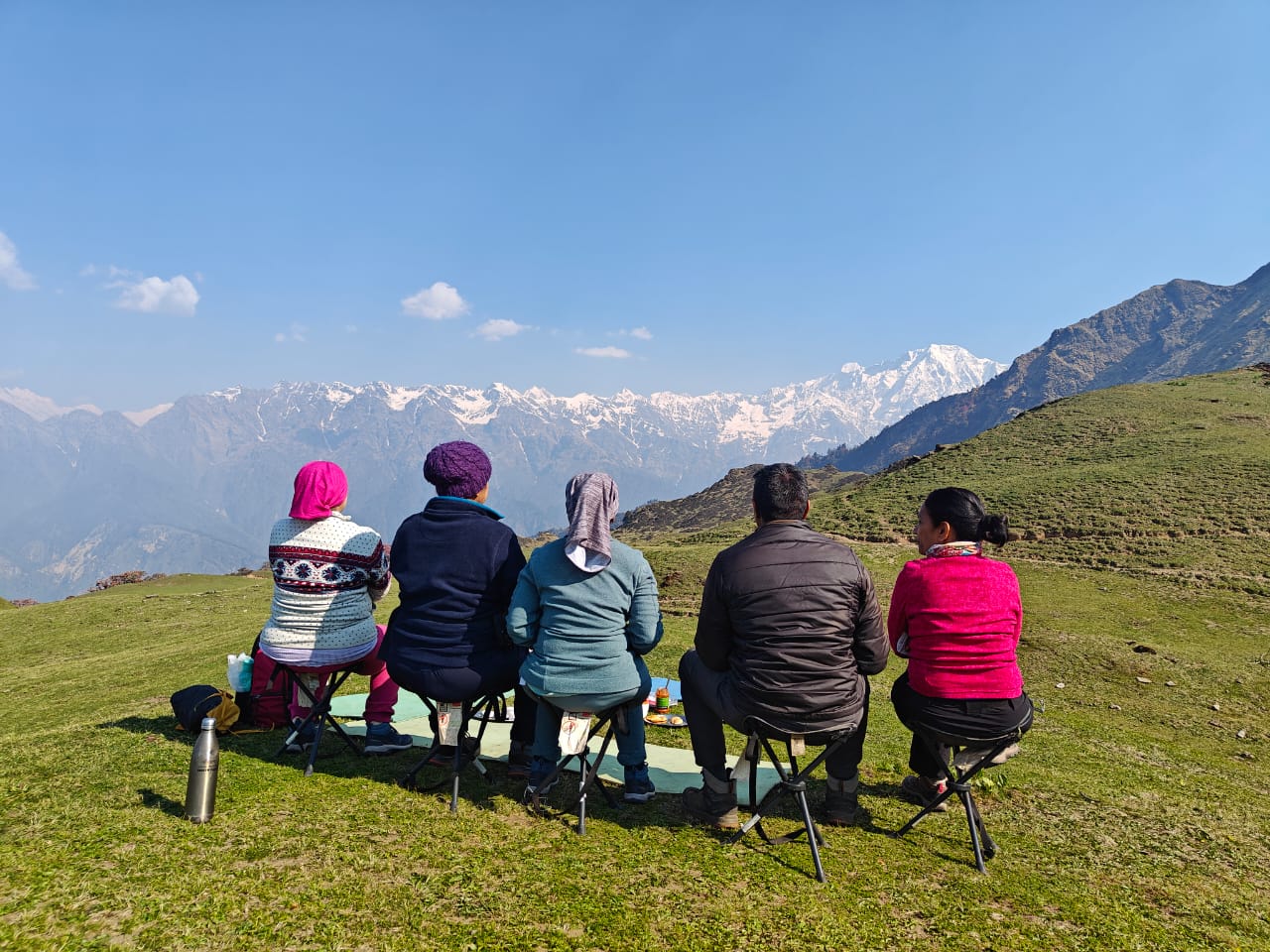
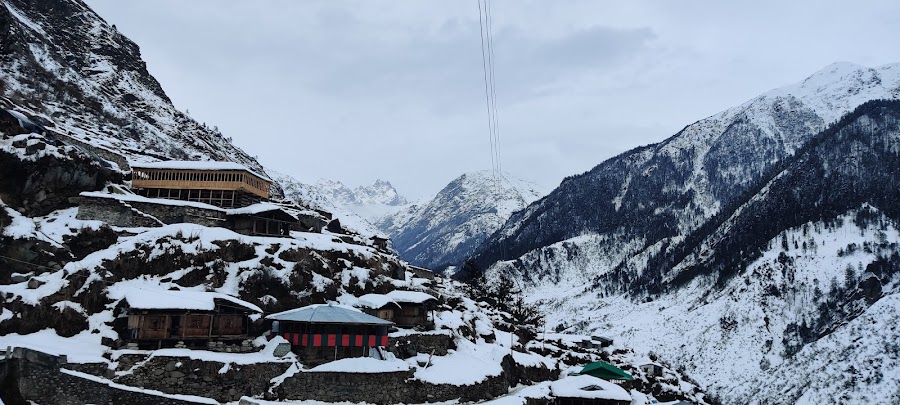
The Bali Pass Trek is not just a trek — it’s a journey through mythological landscapes, alpine meadows, glaciers, and Himalayan villages.
🌟 Major Attractions:
- Bali Pass Summit – Thrilling snow climb
- Ruinsara Tal – A pristine high-altitude lake
- Har Ki Dun Valley – Known as the “Valley of Gods“
- Bandarpoonch Peak views
- Yamunotri Temple descent
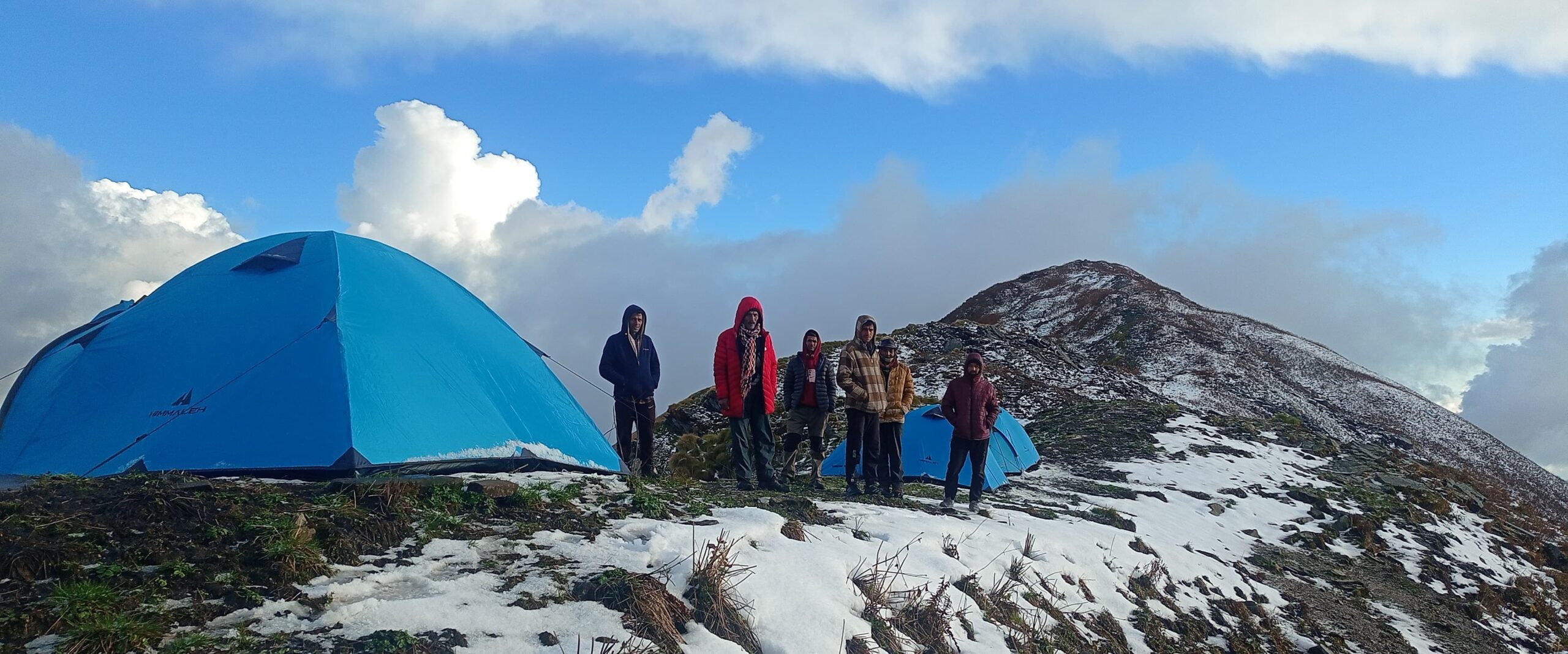
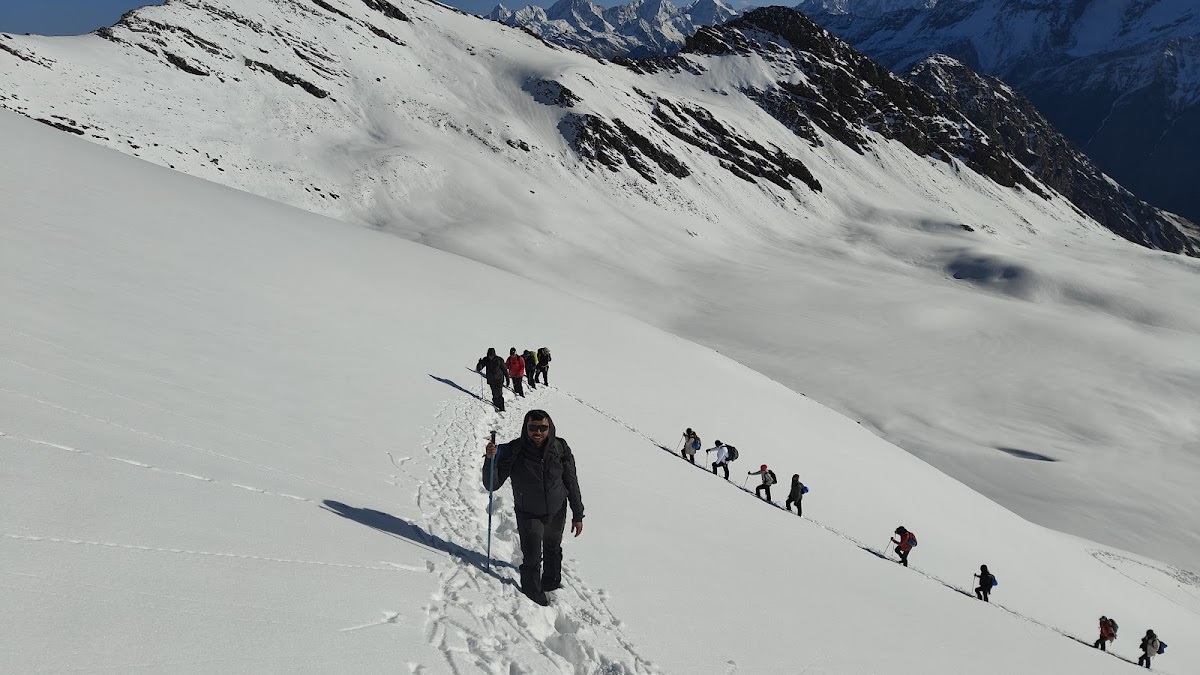
- Experience glacier walking and snow sections

Bali Pass Expedition (4,950m)
7 Days / 6 Nights • Technical High Altitude Crossover
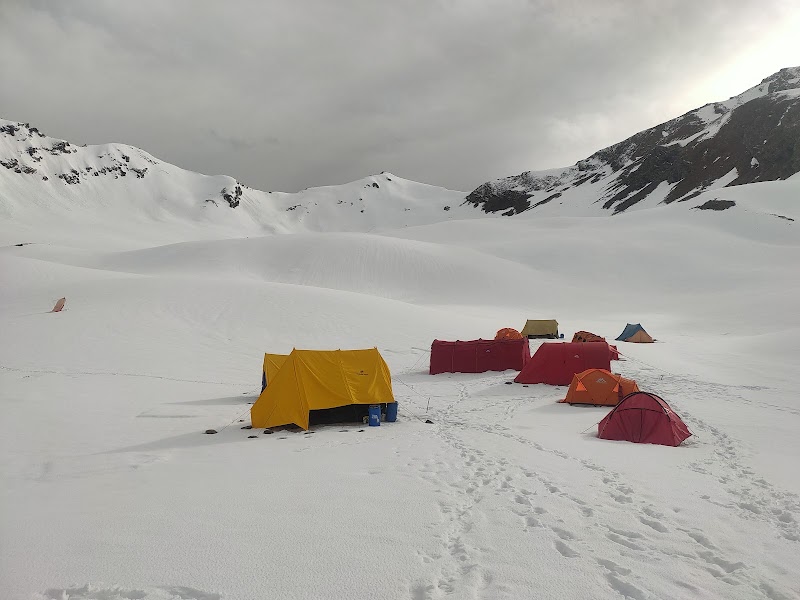
- 🏠 All stays (Homestay/Tents)
- 🍱 Nutritious Veg Meals (D1-D7)
- 🛠️ Crampons, Ropes, Ice Axes
- 🎖️ Expert Mountaineering Lead
- 🚐 Dehradun to Dehradun Transport
- ⛺ High-Quality Camping Gear
- 📜 Forest Permits & Entry Fees
- 🩹 Medical Kit & Oxygen Cylinders
Itinerary for Bali Pass Trek
- Day 01: Dehradun – Sankri (1,950m): 8–10 hrs drive, 200 km
- Day 02: Sankri – Taluka – Seema (2,560m): 12 km trek
- Day 03: Seema – Har Ki Dun (3,566m): 11 km trek
- Day 04: Har Ki Dun – Ruinsara Tal (3,600m): 10 km
- Day 05: Ruinsara Tal – Odari Camp (4,000m): 5 km
- Day 06: Odari – Bali Pass Summit (4,950m) – Base Camp: 10 km
- Day 07: Base Camp – Yamunotri – Janki Chatti
- Day 08: Janki Chatti – Dehradun
Bali Pass Trek – Altitude Profile
8-day route · Max altitude 4,950 m · Difficult
🏔️ What Makes the Bali Pass Trek One of the Most Challenging Himalayan Adventures?
The Bali Pass Trek is an ultimate high-altitude expedition in the Indian Himalayas, connecting the scenic Har Ki Dun Valley with the sacred region of Yamunotri. This trek is known for its raw beauty, remote trails, glacier crossings, and a thrilling high-altitude pass climb.
If you are searching for a bali pass trek itinerary, bali pass trek difficulty, bali pass trek cost, or planning to book bali pass trek, this detailed guide will answer everything.
Perfect for experienced trekkers, this trek tests endurance, mental strength, and mountaineering skills — making it one of the most rewarding Himalayan experiences.
The Bali Pass Trek is a once-in-a-lifetime adventure that combines thrill, spirituality, and untouched Himalayan beauty. From challenging climbs to serene lakes, every step offers something unforgettable.
If you’re ready to push your limits and explore the raw Himalayas, Super Trekkers ensures a safe, guided, and memorable journey.
Where Does the Trek Start and How Do I Reach It?
The rugged journey officially initiates in the quaint, bustling village of Sankri, located deep within the protected boundaries of the Govind Pashu Vihar National Park, though the true physical trekking portion of the bali pass trek route heavily commences from Taluka.
- By Air:The absolute nearest airport is Jolly Grant Airport in Dehradun (situated roughly 225 km from Sankri). We highly advise flying in a day prior to the start.
- By Train:The busy Dehradun Railway Station provides extremely excellent, comprehensive rail connectivity from New Delhi, Mumbai, Kolkata, and other major Indian cities. Trains like the Nanda Devi Express are highly favored.
- By Road:You can easily book bali pass trek with Super Trekkers where your heavy transport is thoroughly included right from Dehradun. Otherwise, public buses and tightly shared cabs specifically heading to Sankri leave incredibly early in the morning (around 5 AM to 7 AM) directly from the Dehradun Railway Station bus stand. The picturesque, winding drive takes around 8 to 10 tiresome hours.
What is the Difficulty Level and Fitness Requirement?
Let us not sugarcoat it for a second—the bali pass trek difficulty is firmly placed squarely in the “Difficult” category. It is an advanced, highly strenuous alpine expedition strictly meant for those rugged individuals who are truly ready to push their absolute physical and mental boundaries.
- Grade Explanation: This rigorous trek actively encompasses exceedingly long walking days (sometimes lasting 10-12 hours on pass crossing day), massive altitude gains in extraordinarily short periods, and navigating highly technical, precarious terrain. You will encounter painfully narrow knife-edge ridges, traverse hard blue-ice snow col, constantly hike over steep ascents, and manage near-vertical descents where a single slip sends you sliding into the abyss.
- Who Can Actively Do This Trek: You absolutely must possess solid prior high-altitude Himalayan trekking experience. Specifically, completing at least two multi-day treks reaching above 13,000 ft is a mandatory prerequisite. Excellent, peak physical fitness, massive muscular stamina, and immense cardiovascular endurance are completely non-negotiable. This specific expedition is not for beginners, definitely not for casual weekend hikers, and strictly prohibited for young children.
- Rigorous Training Tips: You need to aggressively start your physical preparation at least two whole months in advance. Aim heavily to continuously run a solid 5 kilometers in comfortably under 30 minutes without losing your breath. Vigorously incorporate endless stair climbing sessions while bearing a heavy 10-kilogram backpack. Additionally, deeply focus on intense core strengthening exercises, lunges, and squats to adequately tackle the brutal, highly demanding ascents and knee-crushing descents.
How to Handle Altitude, Acclimatization, and Safety?
Safety remains absolutely non-negotiable when treading at these monstrous elevations. Successfully dealing with the massive bali pass trek height effectively requires immense physiological discipline.
- Crucial Altitude Profile: Note carefully that you aggressively jump from 6,400 ft down in Sankri directly to 16,207 ft at the violent pass, fiercely followed by a dramatic, knee-punishing drop entirely to 10,800 ft on that exact same day. This creates massive atmospheric pressure fluctuations.
- AMS Symptoms & Aggressive Prevention: The dangerous Acute Mountain Sickness (AMS) can typically manifest suddenly as severe headaches, overwhelming nausea, sudden loss of appetite, or extreme dizziness. We strictly prevent this terrible onset by fiercely following a slow, highly rhythmic walking pace, strictly enforcing heavy hydration (drinking specifically 3 to 4 liters of water daily), and practicing the golden mountaineering rule of “climb high but forcefully sleep low” wherever geographically possible. You absolutely must listen to your body intricately and immediately report any slight unease to your trek leader.
- Safety Protocols: We don’t take risks. We purposefully carry highly comprehensive high-altitude mountain medicine kits specifically packed with Dexamethasone and Nifedipine, multiple portable life-saving oxygen cylinders, and VHF walkie-talkies for isolated communication. Our seasoned, veteran trek leaders constantly, meticulously monitor your blood oxygen saturation (SpO2) and resting heart rate twice daily using high-end oximeters. Furthermore, we are fully, tactically prepared for incredibly prompt emergency evacuations if circumstances turn dire.
Frequently Asked Questions
- Is Bali Pass Trek safe? Yes, it is safe when conducted with professional guides, proper safety equipment, and adequate acclimatization.
- What is the maximum altitude? The trek reaches 4,950 meters at the summit of Bali Pass.
- Are there toilets on the trek? We provide dry pit toilet tents at every campsite for hygiene and environmental protection.
- Can I find electricity? Electricity is only available up to Sankri. Carry power banks for your devices.
- Is mobile network available? Signal drops after Sankri. BSNL/Jio might work sporadically in Osla.
- How long is the Bali Pass Trek? The trekking distance is approximately 60 kilometers covered over 8 days.
- What is the difficulty level? It is rated as a Difficult trek due to the altitude and technical descent.
- Is drinking water available? We source water from clean Himalayan streams and treat it for safety.
- Do I need specialized gear? Micro-spikes and gaiters are often required, which Super Trekkers provides.
- What kind of food is served? We serve high-calorie, nutritious vegetarian meals to keep you fueled.
- Is insurance mandatory? Yes, adventure travel insurance covering high-altitude trekking is required.
- What is the age limit? Ideally, 15 to 55 years, depending on physical fitness.
- Are there many river crossings? Yes, there are several bridges and small stream crossings along the Supin River.
- Can I offload my bag? Yes, offloading services are available for an extra fee.
- What happens in an emergency? We have a localized evacuation plan and satellite communication/radio support.
- Does it rain on the trek? Occasional showers are possible; a good poncho is essential.
- Is there snow in June? Yes, significant snow persists on the pass well into late June.
- Can I visit Yamunotri temple? Yes, the trek ends near Janki Chatti, allowing for a temple visit.
- How do I book? You can book bali pass trek directly through the Super Trekkers website.
- Why choose Super Trekkers? We offer expert-led, safety-first expeditions with a focus on local culture.
-
68Km
-
16,207 ft (4,940 m)
-
Mid-May to June & September to October
-
Sankri, Uttarakhand
Inclusions & Exclusions
Inclusions
- Meals during the trek (Starting Dinner on Day 1 till Lunch on Day 8)
- Tents on twin sharing basis, Sleeping bags, mats
- Micro-spikes, Helmets, Gaiters, as required
- Experienced Trek guide, cook, helpers,
- Mules or porters for carrying common supplies
- Guest House/Hotel stay on Day 1 & Dehradun on Day 8
Exclusions
- Portage of personal bags during the trek
- Cost of any kind of Travel Insurance
- Any Expense of personal nature
- Any Expense not specified in the inclusions list