
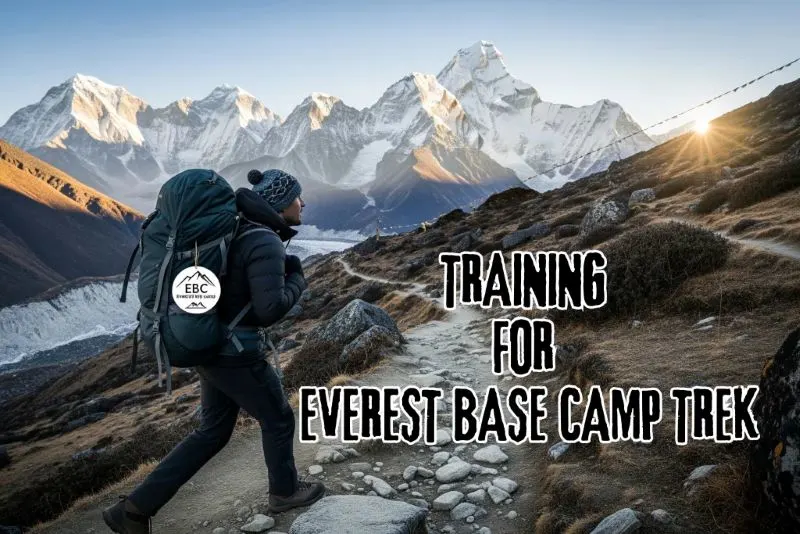
How to prepare for Everest Base Camp trek is the first question every trekker asks before stepping onto this legendary Himalayan trail.
You’re excited about standing beneath the world’s highest peak—but at the same time, you may feel overwhelmed by the logistics: How fit do you need to be? What gear is essential? How can you avoid altitude sickness?
This guide gives you clean answer what you need to confidently prepare for Everest Base Camp trek—from training and permits to packing lists, budgeting, acclimatization, and cultural insights.
How to prepare for the Everest Base Camp trek requires 8–12 weeks with a focus on cardio, endurance, and strength. Pack light but essential gear, including layers, down jacket, and trekking shoes. Acclimatize properly with rest days, stay hydrated, and carry Diamox if advised. Secure your permits (TIMS and Sagarmatha National Park), plan for 12–14 trekking days, and be ready for basic teahouse accommodation with local Nepali food.
Why Training is Essential for EBC Trek?
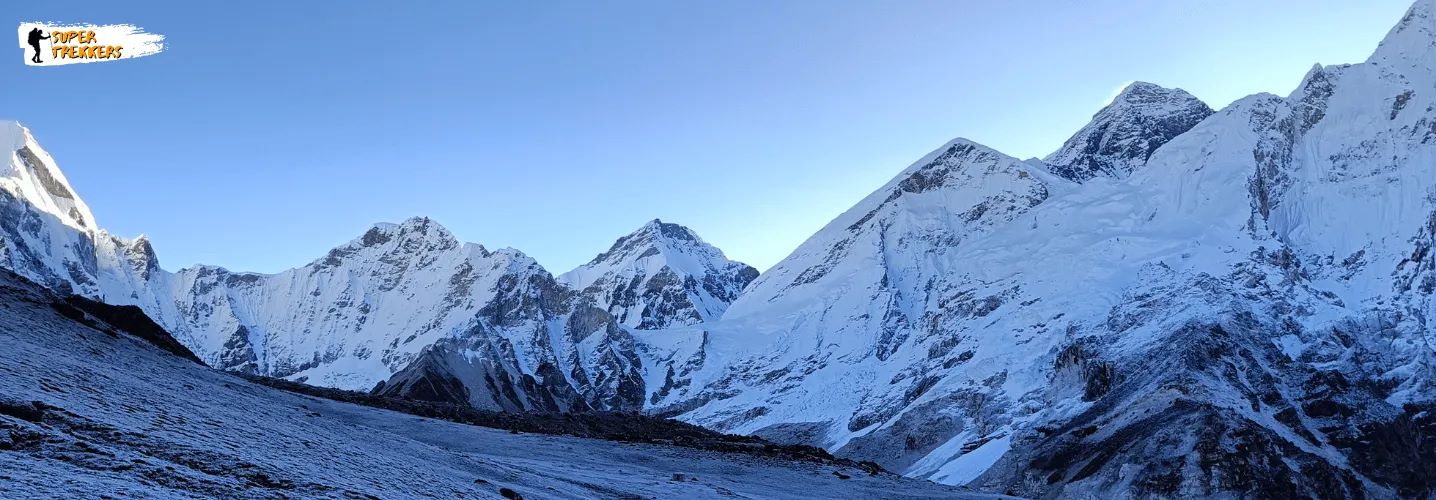
The Everest Base Camp trek takes you up to 5,364 m at EBC and 5,545 m at Kala Patthar. Oxygen levels drop by almost 50% compared to sea level, making it harder to breathe and walk. Without preparation, trekkers face Altitude Mountain Sickness (AMS), fatigue, and muscle injuries.
According to the Wilderness Medical Society, pre-trek cardiovascular training significantly reduces AMS risk and improves endurance at high altitude.

What is the best training schedule for Everest Base Camp?
Your training regimen should begin at least 3-4 months before your trek. Focus on building a strong aerobic base and strengthening your leg muscles.
Cardiovascular Endurance (Stamina Building)
- Goal → Run 5 km under 30 mins / 10 km under 60–65 mins.
- Exercises → Running, Brisk Walking, Cycling, Swimming.
- Hill/Stair Training → With a 6–8 kg backpack to mimic trekking conditions.
- Regular cardio exercises like hiking, running, cycling, and swimming will improve your endurance. Aim for 4-5 sessions per week, with at least one long hike on the weekend.
- Altitude Acclimatization: While you can’t train for altitude at sea level, you can practice hiking with a weighted backpack to simulate the conditions. Start with a light pack and gradually increase the weight.
Strength Training (Legs, Core, Shoulders)
- Squats, Lunges, Step-Ups → Strengthen legs.
- Planks, Side Planks → Core stability.
- Push-ups, Deadlifts, Shoulder Press → Carrying backpack load.
- Stair Climbing with Backpack → Simulates real trek conditions.
Flexibility & Mobility
- Daily stretching, Yoga (Surya Namaskar, hip and back stretches).
- Prevents stiffness, reduces injuries, improves posture.
Nutrition & Hydration for EBC Training
- High protein diet → Muscle recovery.
- Complex carbs → Energy for long hikes.
- Electrolytes & hydration → 4–5 liters daily.
- Avoid crash diets, alcohol, and smoking before trek.
Schedule a FREE Guidance Call with Super Trekkers today!
How do I prepare mentally for the trek?
The EBC trek is a mental game as much as it is a physical one. You will face challenging days, and a positive, determined mindset is crucial.
- Embrace Discomfort: Understand that you will be tired, cold, and out of your comfort zone.
- Set Realistic Expectations: The trek is a journey, not a race. Focus on the experience and the stunning scenery.
- Trust Your Guides: The experienced guides at Super Trekkers are there to support you. Listen to their advice on pacing, hydration, and acclimatization.

Training Schedule for Everest Base Camp
This is a comprehensive, progressive 12-week training plan to help you prepare for the physical demands of the Everest Base Camp trek. It combines cardiovascular endurance, strength training, and proper rest to build your fitness gradually and safely.
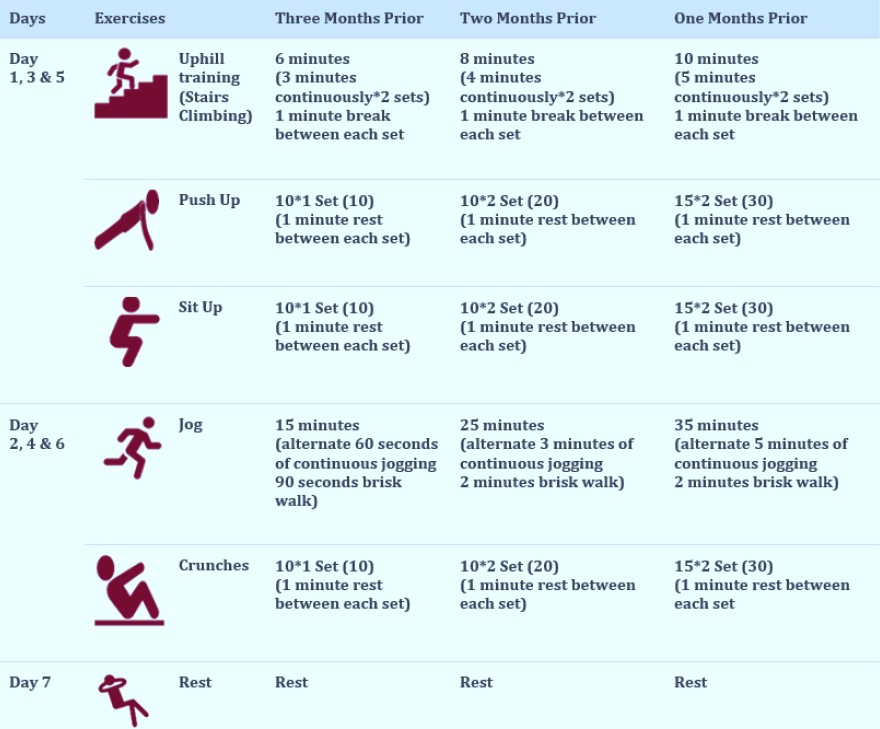
Weeks 1-4: Building the Foundation (3 Months Prior)
This phase focuses on establishing a consistent exercise routine and building your aerobic base.
- Days 1, 3, & 5 (Strength Training):
- Uphill Training (Stair Climbing): 6 minutes total. Do two sets of 3 minutes of continuous climbing, with a 1-minute break between sets.
- Push-Ups: Complete one set of 10 repetitions.
- Sit-Ups: Complete one set of 10 repetitions.
- Days 2, 4, & 6 (Cardio):
- Jogging: 15 minutes total. Alternate between 60 seconds of continuous jogging and 90 seconds of brisk walking.
- Crunches: Complete one set of 10 repetitions.
- Day 7 (Recovery): Complete rest. This day is crucial for muscle repair and preventing burnout.
Weeks 5-8: Increasing Intensity (2 Months Prior)
Now that you have a solid foundation, this phase increases the duration and repetitions to challenge your endurance and strength.
- Days 1, 3, & 5 (Strength Training):
- Uphill Training (Stair Climbing): 8 minutes total. Do two sets of 4 minutes of continuous climbing, with a 1-minute break between sets.
- Push-Ups: Complete two sets of 10 repetitions each (20 reps total), with a 1-minute rest between sets.
- Sit-Ups: Complete two sets of 10 repetitions each (20 reps total), with a 1-minute rest between sets.
- Days 2, 4, & 6 (Cardio):
- Jogging: 25 minutes total. Alternate between 3 minutes of continuous jogging and 2 minutes of brisk walking.
- Crunches: Complete two sets of 10 repetitions each (20 reps total), with a 1-minute rest between sets.
- Day 7 (Recovery): Complete rest.
Weeks 9-12: Peak Performance (1 Month Prior)
This final phase prepares your body for the long days of trekking with a significant increase in exercise volume and intensity.
- Days 1, 3, & 5 (Strength Training):
- Uphill Training (Stair Climbing): 10 minutes total. Do two sets of 5 minutes of continuous climbing, with a 1-minute break between sets.
- Push-Ups: Complete two sets of 15 repetitions each (30 reps total), with a 1-minute rest between sets.
- Sit-Ups: Complete two sets of 15 repetitions each (30 reps total), with a 1-minute rest between sets.
- Days 2, 4, & 6 (Cardio):
- Jogging: 35 minutes total. Alternate between 5 minutes of continuous jogging and 2 minutes of brisk walking.
- Crunches: Complete two sets of 15 repetitions each (30 reps total), with a 1-minute rest between sets.
- Day 7 (Recovery): Complete rest.
🏋️ Weekly Training Plan (8–12 Weeks Before Trek)
| Day | Training Focus | Example |
|---|---|---|
| Monday | Run (5–7 km) | Steady pace |
| Tuesday | Strength Training | Squats, lunges, planks |
| Wednesday | Run/Brisk Walk (30–45 mins) | Hill runs/stair climbing |
| Thursday | Rest/Stretching | Yoga, flexibility |
| Friday | Strength + Cardio Mix | Circuit workout |
| Saturday | Long Trek/Run (2–3 hrs) | With backpack |
| Sunday | Rest | Full recovery |
Why this plan works:
This training schedule is designed to mimic the demands of the Everest Base Camp trek. The progressive overload principle, where you gradually increase the intensity and duration of your workouts, is key to safely building the endurance you need. Uphill training strengthens the specific muscles used for trekking, while jogging improves your cardiovascular fitness for higher altitudes. The inclusion of strength training for your core and upper body will help with stability and carrying your daypack. Most importantly, structured rest days are built in to ensure your body recovers and adapts, preventing injury and fatigue.
FQAs
Everest Base Camp Trek FAQs
How difficult is the Everest Base Camp trek?
The Everest Base Camp trek is considered moderate to challenging. It does not require technical climbing skills, but high altitude, long walking days and uneven mountain terrain make it physically and mentally demanding.
The biggest challenge for most trekkers is altitude. The route gradually climbs from Lukla at around 2,860m to Everest Base Camp at 5,364m, making proper acclimatization and physical preparation essential. A well-planned itinerary includes acclimatization days in places such as Namche Bazaar and Dingboche.
When is the best time to trek to Everest Base Camp?
The best seasons for the Everest Base Camp trek are March to May and late September to November. These periods generally offer more stable weather, clearer skies and excellent mountain visibility.
Spring brings blooming rhododendrons, while autumn is known for crisp air and clear Himalayan views. Trekking during the monsoon or winter is possible but can involve heavier rainfall, reduced visibility, snow and extreme cold.
What kind of physical preparation is required?
Ideally, begin focused preparation 3–4 months before the trek. Training should build cardiovascular endurance, leg strength and overall stamina.
Jogging, stair climbing, brisk walking, strength training and regular long walks are useful. The aim is to prepare your body for approximately 6–8 hours of trekking on several days, while also becoming comfortable with sustained uphill and downhill walking.
How much does a guided Everest Base Camp trek cost?
The cost of a guided Everest Base Camp trek varies considerably depending on the itinerary, group size, accommodation, flights, meals and services included in the package.
Guided packages generally cover essential services such as trekking permits, accommodation, guide services and porters, with some packages also including flights, meals, sleeping bags or duffel bags. Always check the inclusions and exclusions before comparing prices.
Is it safe to trek to Everest Base Camp?
Everest Base Camp is a challenging high-altitude trek, but it can be undertaken safely with proper preparation, acclimatization and experienced support.
The primary concern is altitude-related illness rather than technical climbing. A slow ascent, adequate hydration, acclimatization days and listening to your body are important. Experienced trek leaders should monitor trekkers for symptoms of Acute Mountain Sickness (AMS) and take appropriate action if symptoms worsen.
What essential gear should I pack for the trek?
Essential gear includes well-broken-in trekking boots, a warm sleeping bag, thermal base layers, fleece or mid-layers and a waterproof and windproof outer layer.
A layering system is especially important because temperatures can change significantly as you gain altitude. Other essentials include a headlamp, gloves, warm socks, sunglasses, sunscreen, water bottles and personal medication.
Is a guide necessary for the Everest Base Camp trek?
Guided trekking is strongly recommended for the Everest Base Camp route. A professional guide provides support with navigation, communication, local logistics and altitude-related safety.
For foreign trekkers, Nepal’s trekking regulations have also introduced mandatory guide requirements on certain trekking routes. Requirements can change, so trekkers should confirm the latest rules before travelling.
How do you prevent altitude sickness on the trek?
The most important way to reduce the risk of Acute Mountain Sickness (AMS) is proper acclimatization. Ascend gradually, stay hydrated and avoid pushing through serious altitude-related symptoms.
A good EBC itinerary includes acclimatization days at places such as Namche Bazaar and Dingboche. Short hikes to higher elevations followed by sleeping at a lower altitude help the body gradually adapt to reduced oxygen levels.
What kind of food and water are available on the trail?
Tea houses along the Everest Base Camp route generally serve dal bhat, noodles, pasta, momos, rice, soups and other simple meals. Food choices can become more limited as you gain altitude.
For drinking water, use boiled, filtered or properly purified water. Water purification tablets, drops or a suitable filter can be useful. Staying hydrated is particularly important at high altitude.
How much extra money should I budget for?
A practical personal-expense budget is around $20–$40 per day, although your actual spending depends on your package and personal requirements.
Additional expenses may include hot showers, Wi-Fi, charging electronic devices, snacks, beverages and other personal purchases. These services generally become more expensive at higher elevations.
What is the acclimatization process?
Acclimatization is the process by which your body gradually adapts to lower oxygen levels at higher altitude.
The EBC route normally includes dedicated acclimatization days in locations such as Namche Bazaar and Dingboche. Trekkers may take short hikes to higher elevations during these days before returning to their accommodation to sleep at a lower altitude.
What are the toilet facilities like on the trek?
Toilet facilities are basic and vary between villages and tea houses. Lower-altitude accommodation may have Western-style toilets, while higher elevations commonly have squat toilets and more basic facilities.
Carry your own toilet paper, hand sanitizer and basic personal hygiene supplies. Facilities become increasingly basic as the trail gets higher and more remote.
What is the maximum elevation reached on the EBC trek?
The highest point on the standard Everest Base Camp trek is Kala Patthar at approximately 5,545m. Everest Base Camp itself is at approximately 5,364m.
Kala Patthar is particularly popular for its panoramic views of Mount Everest, Lhotse, Nuptse and the surrounding Himalayan peaks. It is usually visited around sunrise or early morning.
Do I need to book my Everest Base Camp trek in advance?
Yes, booking in advance is recommended, particularly during the March–May and September–November peak trekking seasons.
Advance planning helps secure flights, accommodation, permits and other logistics. It also gives you sufficient time to prepare physically and arrange your trekking equipment and travel insurance.
What are the health risks besides altitude sickness?
Other common health concerns include dehydration, stomach infections, traveller’s diarrhoea, respiratory infections, cold-related discomfort and exhaustion.
Good hygiene, safe drinking water, adequate hydration, appropriate clothing and sensible pacing can reduce many of these risks. Carry a basic personal medical kit and consult a healthcare professional before a high-altitude trek if you have any concerns about your fitness or health.
Important: Everest Base Camp is a high-altitude trek. Weather, trail conditions, flight operations and individual acclimatization can affect the itinerary. Always follow the advice of your trek leader and prioritize safety.
Really well-written article! 👏 I enjoyed the way you broke down the topic—it feels very genuine and helpful, not just theory. The practical tips make it easy for readers like me to connect and actually take something useful away.
Keep up the great work—I’ll definitely be following along for more insights! 🚀