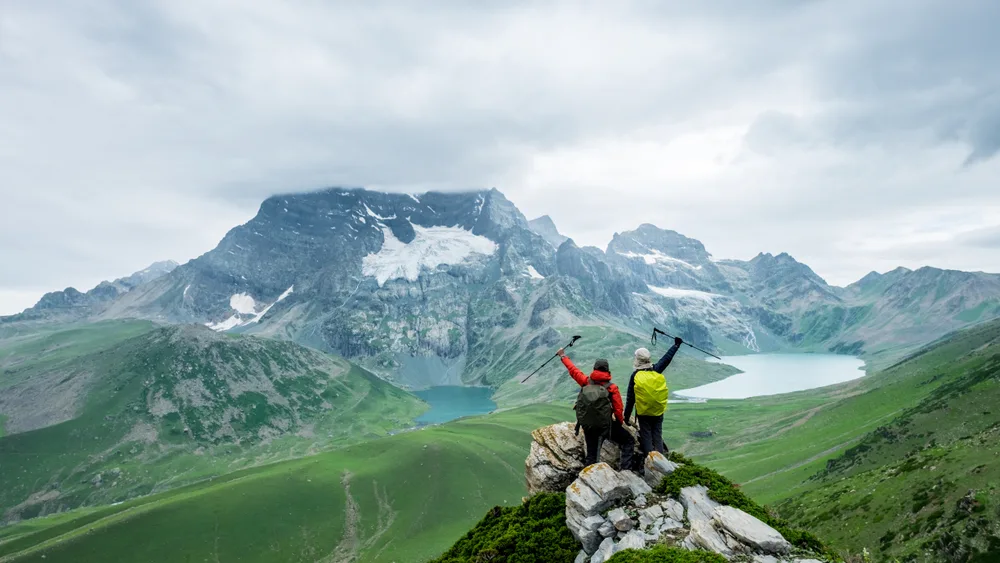
The Yunam Peak Expedition is a challenging high-altitude mountaineering adventure in the remote and spectacular landscapes of Lahaul, Himachal Pradesh. Rising to an altitude of approximately 6,111 m (20,050 ft), Yunam Peak offers experienced trekkers and aspiring mountaineers an opportunity to test themselves above the 6,000-metre mark. Located near the iconic Baralacha La Pass, the expedition combines rugged mountain terrain, vast high-altitude landscapes, glacial surroundings and demanding summit climbing into one unforgettable Himalayan experience.
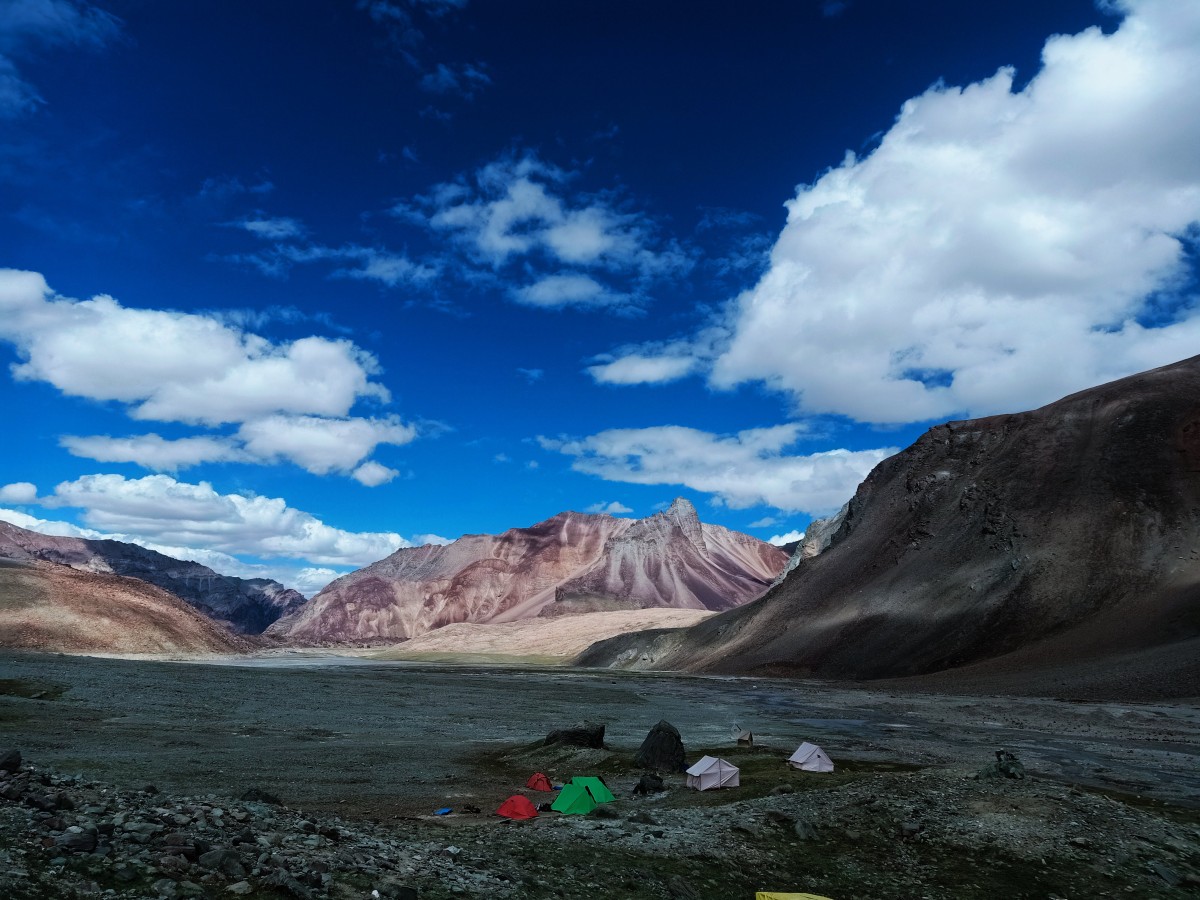
The journey begins in Manali, followed by a scenic drive through the Atal Tunnel and the dramatic landscapes of Lahaul towards Jispa and Bharatpur Base Camp. As the road climbs higher, the green Himalayan valleys gradually give way to a stark, cold-desert landscape dominated by rocky mountains, barren slopes and high-altitude lakes. The expedition includes carefully planned acclimatization walks before the team moves towards the higher Summit Camp.
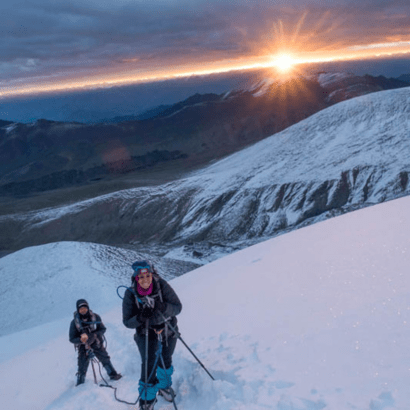
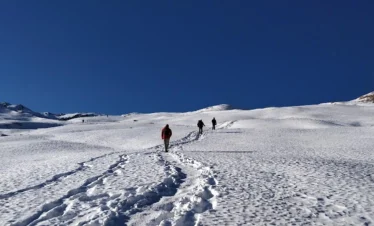
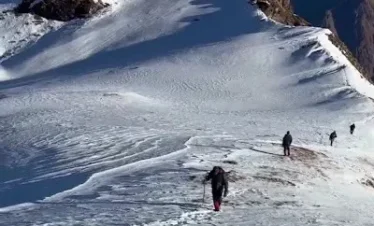
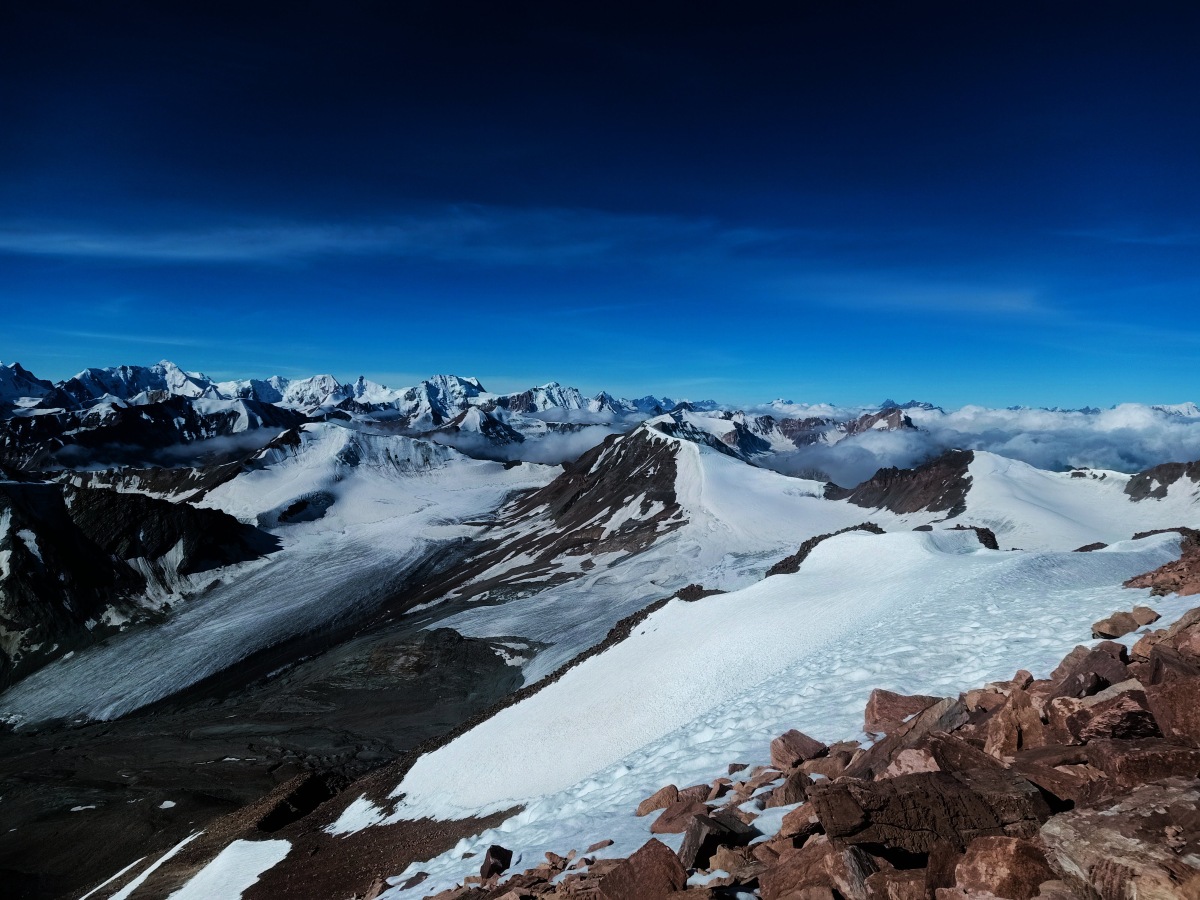
The ultimate challenge is the Yunam Peak summit attempt. The route involves steep sections, loose scree, moraine and rugged high-altitude terrain, requiring excellent physical fitness, mental resilience and prior high-altitude trekking experience. From the summit, climbers can witness spectacular Himalayan panoramas, including the surrounding C.B. Range, Mulkila Range and the Zanskar landscapes. Reaching the summit of Yunam Peak is not simply a trek — it is a serious high-altitude expedition and a stepping stone for those preparing for more demanding mountaineering objectives.
What makes Yunam Peak special?
A demanding 6,111-metre Himalayan summit expedition featuring high-altitude acclimatization, rugged scree and moraine terrain, spectacular cold-desert landscapes, remote mountain camps and breathtaking views of the surrounding Himalayan ranges — making Yunam Peak an ideal challenge for experienced trekkers ready to take their adventure to the next level.
Yunam Peak Trek Overview
About Yunam Peak
The Yunam Peak Expedition is a demanding high-altitude mountaineering adventure in the spectacular Lahaul region of Himachal Pradesh. Rising to approximately 6,111 metres (20,050 ft), Yunam Peak offers experienced trekkers an opportunity to step into the world of six-thousand-metre Himalayan expeditions. Located close to the iconic Baralacha La Pass, the expedition combines dramatic cold-desert landscapes, rugged mountain terrain, high-altitude camps and a challenging summit push.
🏔️ A Gateway to 6,000-Metre Peaks
Standing above the 6,000-metre mark, Yunam Peak is a serious high-altitude objective. The expedition is particularly suited to experienced trekkers who want to progress from high-altitude trekking towards more demanding Himalayan mountaineering challenges.
🏜️ Into the High-Altitude Desert
The journey from Manali to Jispa and Bharatpur takes you deep into the dramatic cold-desert landscape of Lahaul. Green valleys gradually give way to barren mountains, rocky slopes, glacial landscapes and vast open Himalayan terrain.
🥾 Rugged Terrain & Steep Ascents
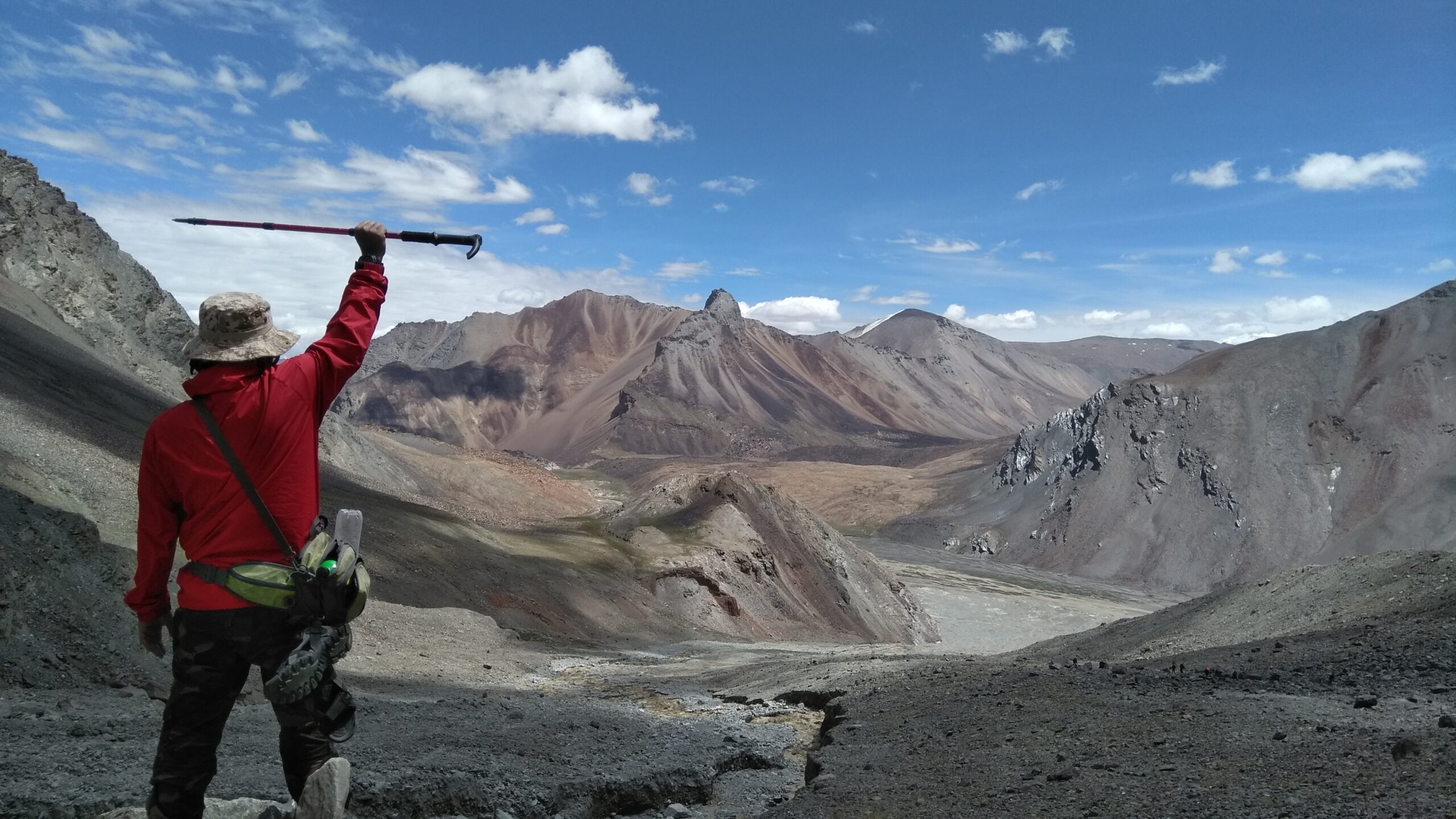
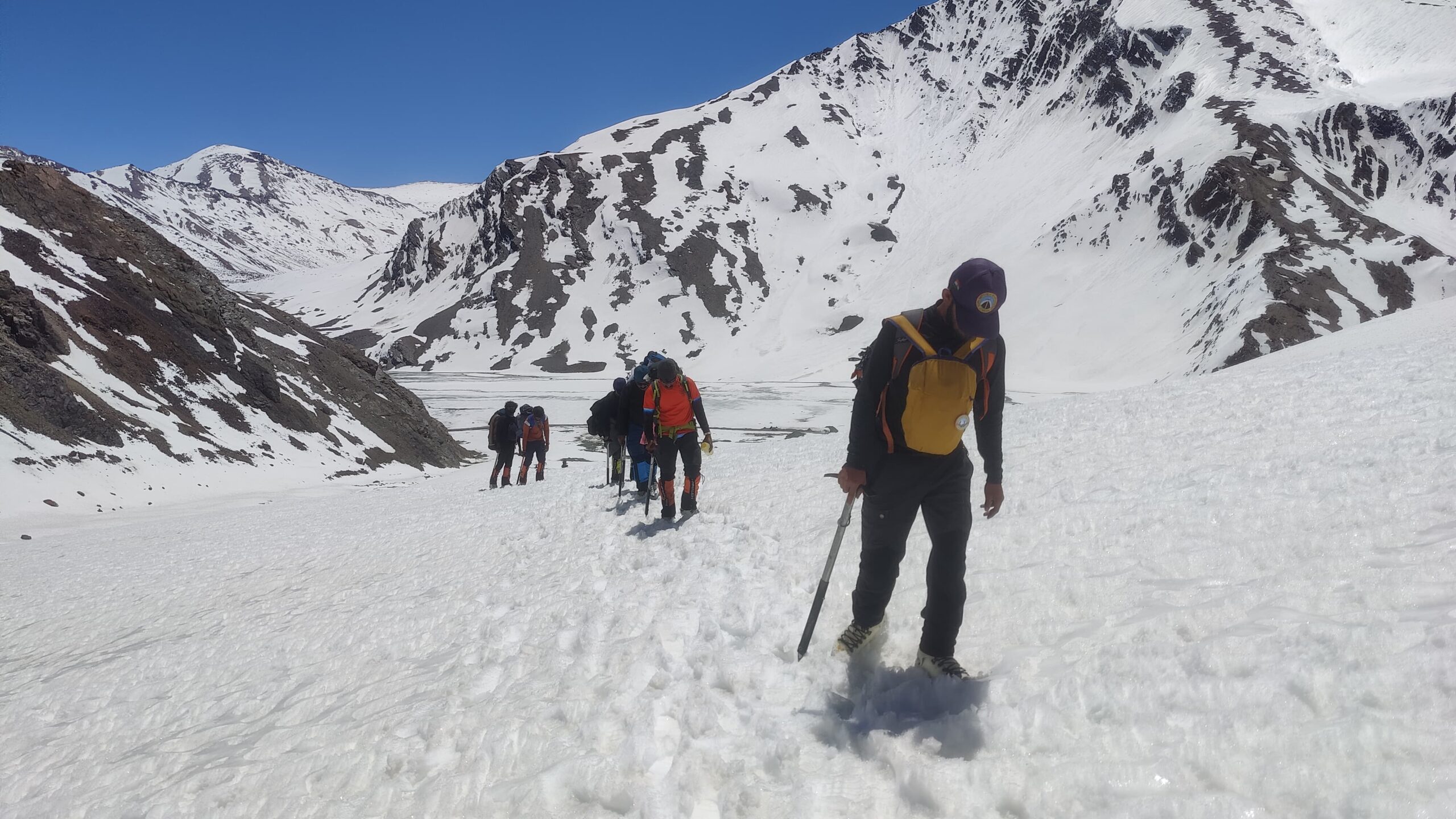
The approach to Yunam Peak involves steep sections, loose scree, moraine and rocky mountain terrain. The summit route demands careful footwork, controlled movement, physical endurance and the ability to remain focused in extreme high-altitude conditions.
🏕️ Bharatpur Base Camp & Summit Camp
The expedition follows a carefully staged progression through Bharatpur Base Camp and the higher Summit Camp. Acclimatization walks and time spent at elevation help the team prepare for the demanding summit attempt.
🌊 Explore Yunam Chho
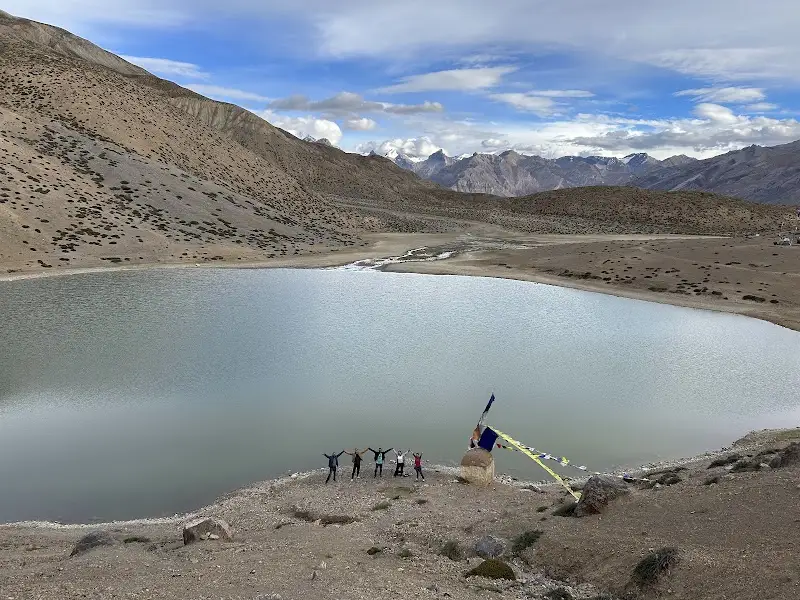
During the acclimatization phase, trekkers get an opportunity to explore the beautiful Yunam Chho, a high-altitude lake surrounded by rugged mountain scenery. It adds a memorable exploration experience before the summit push.
🌄 Panoramic Himalayan Views
Reaching the summit of Yunam Peak opens up spectacular views across the surrounding Himalayan ranges, including the C.B. Range and Mulkila Range, with the dramatic landscapes of Lahaul and the greater Himalayan region stretching into the distance.
🧗 Is Yunam Peak right for you?
Yunam Peak is not a beginner’s trek. The rapid gain in altitude, demanding summit day, loose scree and moraine, cold temperatures and unpredictable mountain weather make prior high-altitude trekking experience essential. Trekkers should arrive with excellent cardiovascular fitness, strong legs, appropriate acclimatization and the mental resilience required for a 6,000-metre expedition.
“Yunam Peak is more than a summit — it is a test of endurance, preparation and determination above 6,000 metres.”

🏔️ Yunam Peak Expedition
Take on the challenge of Yunam Peak, a high-altitude Himalayan expedition in the Lahaul region of Himachal Pradesh. The expedition includes professional mountaineering support, high-altitude camps and summit assistance.
-
🧗Professional Mountaineering Support: Experienced and qualified mountaineering instructor/guide support throughout the expedition.
-
🧭Local Mountain Guide: Certified local guide familiar with the Yunam Peak region and approach route.
-
🍲Vegetarian Expedition Meals: Breakfast, lunch and dinner during the expedition, prepared by the expedition kitchen team.
-
👨🍳Kitchen & Support Staff: Chefs, cooks and helpers for expedition camp operations.
-
🏕️High-Altitude Support Team: Porters, mules and support staff for common expedition equipment, rations, tents and utensils.
-
⛺Camping Equipment: Shared tents, sleeping bags, air mattresses/pads and essential camping equipment.
-
🪢Climbing Equipment: Common technical equipment such as ropes, pitons, snow bars, carabiners and related climbing equipment.
-
🔥High-Altitude Cooking Equipment: Butane gas cooker and equipment required for expedition cooking.
-
🏔️Summit Support: Guide and mountaineering team assistance during the summit attempt, subject to weather and safety conditions.
-
🩹First-Aid & Oxygen Support: Standard first-aid kit and emergency oxygen support for altitude-related situations.
-
🌲Camping / Forest Fees: Applicable camping, wildlife and forest-related fees included as specified by the operating route.
-
🎒Personal Porter: Individual porter charges for carrying a participant’s personal luggage are not included.
-
🚕Airport / Railway Transfers: Transportation to and from the expedition meeting point is not included.
-
📷Camera / Video Equipment: Personal camera, video equipment and associated costs.
-
👕Personal Clothing & Gear: Personal mountaineering equipment, clothing and specialised gear required by the participant.
-
🛡️Travel Insurance: Personal travel, medical, high-altitude and rescue insurance.
-
🚁Rescue / Evacuation: Expenses for helicopter evacuation, rescue operations or medical evacuation.
-
💧Personal Food & Drinks: Bottled water, soft drinks, snacks, packaged food and other personal consumables.
-
📱Personal Expenses: Laundry, telephone calls, tips, beverages and other personal expenses.
-
🚐Expenses Outside the Itinerary: Additional transportation, accommodation or services not specifically mentioned in the package.
-
⚠️Unforeseen Expenses: Costs resulting from severe weather, natural disasters, road closures, delays or other unforeseen circumstances.
-
📄Special Permits / Authorisations: Any permit, licence, IMF registration or government requirement not specifically listed under inclusions.
-
🎒Offloading Service: Available as an additional service. Contact the Super Trekkers team for current offloading charges and weight limits.
Brief Description of Yunam Peak Trek
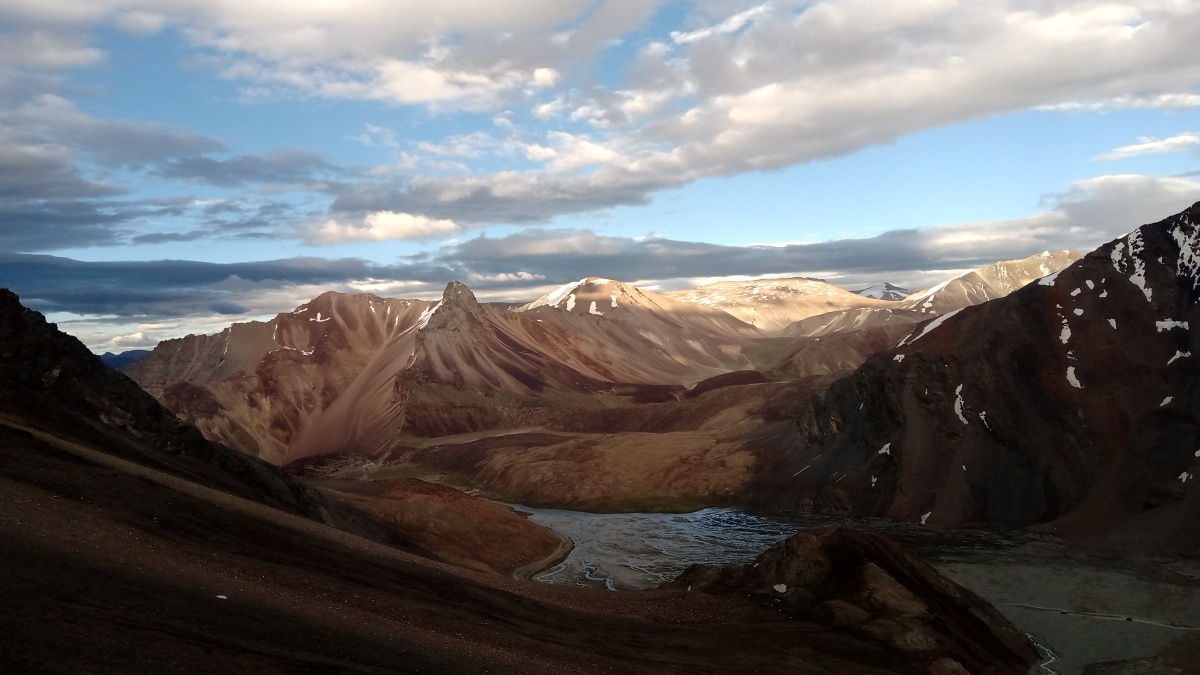
The Yunam Peak Trek is a demanding high-altitude expedition through the spectacular landscapes of Lahaul, Himachal Pradesh. The journey begins in Manali and gradually moves towards the remote cold-desert landscapes beyond the Atal Tunnel. As the altitude increases, the lush green valleys give way to barren mountains, rocky slopes, glacial landscapes and the dramatic terrain surrounding Baralacha La.
The expedition follows a carefully planned acclimatization schedule, taking the team from Jispa to Bharatpur Base Camp before moving towards the higher Summit Camp. Acclimatization walks are an important part of the journey because the rapid gain in altitude is one of the biggest challenges of the Yunam Peak Expedition.
🏜️ Into the Lahaul Cold Desert
The approach to Yunam Peak takes you through the remarkable landscapes of Lahaul, where green valleys gradually transform into a stark high-altitude desert surrounded by rugged Himalayan peaks.
🏕️ Bharatpur Base Camp
Bharatpur Base Camp becomes the primary staging point for the expedition. The team spends time acclimatizing here before moving higher towards the summit camp.
🥾 The Summit Camp
The trail to Summit Camp involves steep ascents, loose rocks and demanding terrain. Once at camp, the team prepares for the final push towards the summit of Yunam Peak.
🌊 Yunam Chho
During the acclimatization phase, trekkers can explore the beautiful high-altitude surroundings of Yunam Chho, adding a memorable exploration experience before summit day.
🧗 The 6,111 m Summit Push
Summit day is the toughest section of the expedition. The route involves scree, moraine, steep gradients and loose rocky terrain, requiring controlled movement, endurance and strong mental focus.
🌄 Himalayan Panorama
From the summit of Yunam Peak, successful climbers are rewarded with magnificent views of the surrounding C.B. Range, Mulkila Range and the greater Himalayan landscape.
The final ascent to Yunam Peak is a true test of endurance. The summit route climbs through rugged scree and moraine terrain, including steep and unstable sections where every step requires concentration. The thin air at more than 6,000 metres makes even short sections physically demanding, which is why proper acclimatization and prior high-altitude experience are essential.
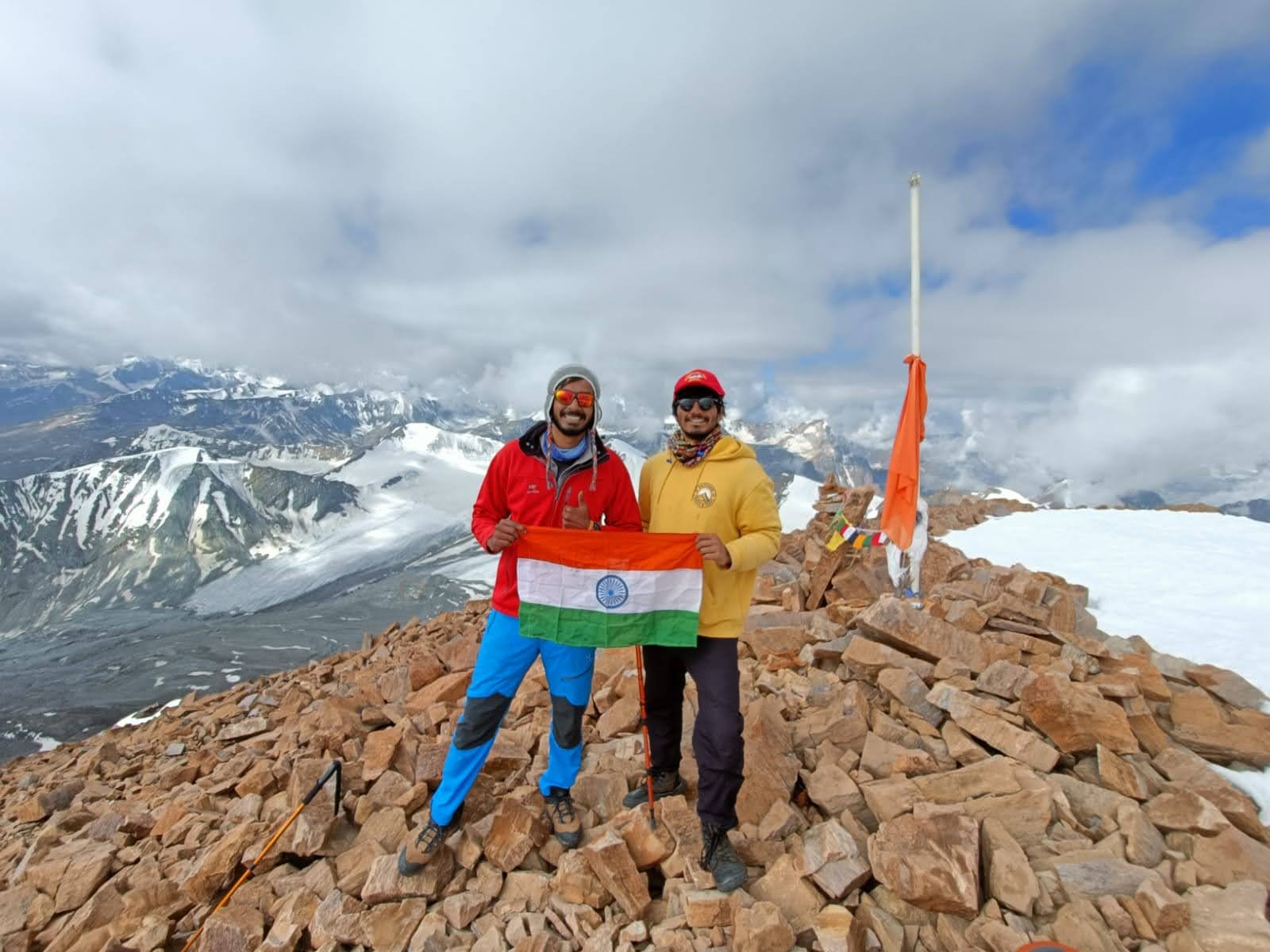
Reaching the summit of Yunam Peak is the culmination of the expedition. After taking in the panoramic Himalayan views and celebrating the achievement, the team descends through the same high-altitude terrain before returning to Bharatpur Base Camp and eventually driving back towards Manali.
🏔️ Why is Yunam Peak Trek special?
The Yunam Peak Trek combines a remote Himalayan setting,
dramatic Lahaul cold-desert landscapes, high-altitude camping and a demanding
6,111-metre summit attempt. It is an excellent expedition
for experienced trekkers looking to move beyond conventional trekking and
experience the challenges of a six-thousand-metre Himalayan peak.
⚠️ Important: The Yunam Peak Expedition is a high-altitude mountaineering objective and is not recommended for beginners. Prior high-altitude trekking experience, excellent physical fitness, appropriate equipment and the ability to acclimatize to extreme altitude are essential.
Yunam Peak Expedition Itinerary
The Yunam Peak Expedition follows a carefully staged high-altitude approach from Manali into the remote landscapes of Lahaul. The itinerary includes dedicated acclimatization, a load-ferry day, establishment of the Summit Camp and a demanding summit attempt to approximately 6,111 m (20,050 ft).
- Day 1: Arrival in Naggar | Acclimatization & Expedition Briefing Arrive in Naggar and check into your allocated hotel. Since rapid altitude gain is one of the major challenges of the Yunam Peak Expedition, the first day is kept relaxed to allow your body to begin acclimatizing. In the afternoon, the Trek Leader will conduct a detailed expedition briefing covering the route, safety procedures, equipment and summit-day expectations. You will also have time to purchase any last-minute trekking or mountaineering essentials before the expedition moves into the higher Lahaul region.
- Day 2: Manali → Atal Tunnel → Sissu → Tandi → Jispa After breakfast, begin the scenic drive from Manali towards Jispa through the Atal Tunnel and into the spectacular landscapes of Lahaul. The scenery gradually changes from green Himalayan valleys to a dry, semi-arid mountain environment. Pass through Sissu, known for its waterfalls and views of the surrounding peaks, followed by Tandi, located near the confluence of the Chandra and Bhaga rivers. By afternoon, reach Jispa and set up camp near a water source. After tea, take a short acclimatization walk to help your body adapt to the significant gain in elevation.
- Day 3: Jispa → Darcha → Zing Zing Bar → Deepak Tal → Suraj Tal → Bharatpur Base Camp Continue deeper into the Lahaul landscape as you drive from Jispa towards Bharatpur Base Camp. The route passes through Darcha and Zing Zing Bar, popular stops on the Manali–Leh route. En route, enjoy short photo stops at the spectacular Deepak Tal and Suraj Tal. The road continues towards the high-altitude region near Baralacha La before reaching Bharatpur. After setting up camp, complete another acclimatization walk in the evening.
- Day 4: Bharatpur Base Camp → Summit Camp | Load Ferry → Base Camp Today is an important load-ferry and acclimatization day. Begin with approximately 1.5 km of road walking before leaving the road and starting the steep ascent towards the Summit Camp. The trail initially crosses dusty ground and loose rocks before becoming increasingly steep. As you climb higher, spectacular views open towards the valley and the Tsarap River. Reach the Summit Camp site, deposit essential rations and expedition equipment, and prepare the camp for the higher stages of the expedition. After completing the load ferry, descend back to Bharatpur Base Camp for the night.
- Day 5: Bharatpur Base Camp → Summit Camp | Camp Establishment After breakfast, return to the higher trail and climb towards the Summit Camp. Carry the remaining supplies and equipment required for the summit attempt and establish the high camp. Once the camp is fully operational, take time to rest and acclimatize at elevation. Depending on conditions and the expedition schedule, explore the surrounding landscape near Lake Yunam Chho. An early night is important as the following day will be the most demanding stage of the Yunam Peak Expedition.
-
🏔️ Summit Day
Day 6: Summit Camp → Yunam Peak Summit (6,111 m) → Bharatpur Base Camp
The biggest day of the Yunam Peak Expedition begins
before sunrise. From the Summit Camp, begin the demanding ascent towards
the summit of Yunam Peak at approximately 6,111 m (20,050 ft).
The summit route covers approximately 6–7 km with around
1,000 m of elevation gain. The initial section includes
a steep, chimney-like rocky feature followed by challenging
scree and moraine terrain.
Progress steadily with controlled breathing and carefully placed steps. The thin air, steep gradients, loose rocks and cold conditions make this section physically and mentally demanding. Carry sufficient water and high-energy food for the summit push. After reaching the summit, take time to appreciate the spectacular panorama of the surrounding C.B. Range and glacier-covered Mulkila Range.
After the summit celebration and photographs, descend carefully to the Summit Camp, pack the remaining equipment and continue down towards Bharatpur Base Camp. Rest and celebrate the successful summit attempt at base camp. - Day 7: Bharatpur Base Camp → Baralacha La → Jispa → Sissu → Manali After breakfast, begin the drive back towards Manali. Retrace the spectacular Lahaul route through Baralacha La, Jispa and Sissu. As the road descends, the stark high-altitude desert gradually gives way to greener Himalayan valleys. Arrive in Manali, marking the conclusion of your Yunam Peak Expedition.
⚠️ Important: The itinerary is subject to change depending on weather, road conditions, snow, terrain, acclimatization, health of participants, campsite conditions and instructions from the expedition leader. Summit success cannot be guaranteed and the final decision to proceed towards the summit will always be based on weather, route conditions and participant safety. The distances, altitudes and trekking times mentioned above are approximate.
Yunam Peak Expedition – Altitude Profile
7-Day High-Altitude Expedition
Naggar → Jispa → Bharatpur → Summit Camp → Yunam Peak → Manali · Super Trekkers
Max Altitude
6,111 m
Difficulty
Challenging
Hover over any point on the altitude profile to see the day, altitude and route details.
🗺️ Yunam Peak Expedition Route Map & Altitude Profile
Explore the complete Yunam Peak Expedition route from the Manali region through Jispa, Bharatpur Base Camp and Summit Camp to the summit of Yunam Peak at approximately 6,111 metres (20,049 ft). The expedition takes you deep into the high-altitude landscape of Himachal Pradesh and the Lahaul region, with progressive altitude gain, acclimatization and a challenging summit push.
📍 Interactive Yunam Peak Expedition Route Map | Naggar → Jispa → Bharatpur → Summit Camp → Yunam Peak → Bharatpur → Manali
Yunam Peak Route at a Glance:
Naggar
→
Jispa
→
Darcha
→
Zing Zing Bar
→
Bharatpur Base Camp
→
Summit Camp
→
Yunam Peak Summit
→
Summit Camp
→
Bharatpur
→
Manali
Starting / Acclimatization Point
Lahaul Valley
Base Camp
Summit
How to Reach Naggar / Manali
Naggar / Manali is the arrival point for the Yunam Peak Expedition. Participants are advised to reach Naggar or Manali on Day 1 and allow sufficient time for acclimatization and the expedition briefing. The region is well connected by road, air and rail through nearby transport hubs.
-
✈️ By Air
The nearest airport is Kullu–Manali Airport (Bhuntar Airport), located approximately 40–50 km from Manali. From the airport, you can hire a private taxi or use available local transport to reach Manali or Naggar. The airport has limited flight connectivity, so flight schedules should be checked well in advance.
-
🚆 By Train
There is no major railway station in Manali. The nearest broad-gauge railway stations are Chandigarh and Ambala. From either station, continue by road to Manali using a Volvo bus, private taxi or other road transport. The journey from Chandigarh to Manali generally takes several hours depending on traffic and road conditions.
-
🚌 By Road from Delhi
Road travel is one of the most convenient ways to reach Manali. Regular government and private Volvo buses operate between Delhi and Manali, with many services running overnight. The road journey is approximately 12–14 hours depending on traffic, weather and road conditions.
-
🚐 From Chandigarh
Chandigarh is one of the most convenient major transport hubs for reaching Manali. Regular buses and private taxis are available from Chandigarh towards Bilaspur → Mandi → Kullu → Manali. The road journey generally takes around 8–10 hours, depending on traffic and road conditions.
-
🏔️ Manali to Naggar
If your accommodation is arranged in Naggar, you can travel from Manali to Naggar by taxi or local transport. Naggar is located approximately 20–25 km from Manali and the journey usually takes around 45–60 minutes, depending on traffic and road conditions.
🏔️ Travel Tip: For the Yunam Peak Expedition, avoid arriving at the last minute. We recommend reaching Naggar / Manali on Day 1 so you can rest, acclimatize and attend the expedition briefing before the journey towards Jispa and the higher-altitude camps begins.
How Should Trekkers Prepare for the Yunam Peak Expedition?
The Yunam Peak Expedition is a demanding high-altitude mountaineering adventure reaching approximately 6,111 m (20,050 ft). Unlike a regular Himalayan trek, the expedition involves prolonged exposure to high altitude, steep ascents, loose scree, moraine terrain, high camps and a physically demanding summit push.
Participants should have previous high-altitude trekking experience and should arrive with strong cardiovascular endurance, well-conditioned legs, good balance and the ability to remain active for long hours in a cold, low-oxygen environment. Preparation should ideally begin 8–12 weeks before the expedition.
💪 8–12 Week Fitness Preparation
-
🚶 WEEKS 1–4 – Build Your Aerobic Base
- Walk, jog or cycle 5–7 km regularly.
- Train at least 4–5 days per week.
- Include stair climbing or uphill walking for 30–40 minutes.
- Perform squats, lunges, step-ups and calf raises.
- Strengthen your core with planks and controlled stability exercises.
- Focus on developing consistent endurance rather than maximum speed.
-
🏃 WEEKS 5–8 – Build Strength & Endurance
- Increase continuous walking or jogging to 7–10 km.
- Include longer weekend hikes of 3–5 hours.
- Practice sustained uphill and downhill walking.
- Carry a progressively heavier training backpack.
- Continue strength training for quadriceps, hamstrings, glutes and calves.
- Train on uneven terrain to improve balance and ankle stability.
-
⛰️ WEEKS 9–12 – Expedition-Specific Training
- Complete regular 8–12 km hikes on varied terrain.
- Include long uphill sections and controlled descents.
- Practice walking for 5–7 hours on selected training days.
- Train with the trekking shoes and backpack you will use during the expedition.
- Practice using trekking poles on steep and uneven terrain.
- Include back-to-back hiking days when possible to improve recovery.
🏔️ Recommended Fitness Benchmark
Before joining the expedition, you should be able to comfortably complete an 8–10 km hike in mountainous terrain, handle 5–7 hours of continuous activity and climb sustained uphill sections without excessive fatigue. Previous experience above 4,000–5,000 m is strongly recommended.
These are practical preparation targets rather than medical clearance criteria. Fitness alone does not guarantee successful acclimatization or summit success. Your previous altitude experience, recovery ability and response to high altitude are equally important for the Yunam Peak Expedition.
🦵 Strength Training for the Summit Push
-
🏋️ Leg & Lower-Body Strength
- Bodyweight or weighted squats.
- Walking lunges and reverse lunges.
- Step-ups on a stable platform.
- Calf raises for uphill movement.
- Controlled step-downs to prepare for steep descents.
-
🧘 Core & Stability
- Planks and side planks.
- Glute bridges.
- Single-leg balance exercises.
- Controlled mobility and stretching.
- Ankle-strengthening exercises for rocky terrain.
🥾 Prepare for Scree, Moraine & Uneven Terrain
The upper sections of Yunam Peak involve loose rocks, scree and moraine. Regular road walking alone is not sufficient preparation. Whenever possible, include mountain trails, rocky paths and uneven surfaces in your training.
- Practice maintaining a steady rhythm on loose terrain.
- Learn to place your feet carefully rather than rushing uphill.
- Practice using trekking poles for balance and support.
- Train in the same footwear you intend to use during the expedition.
- Develop confidence on both uphill and downhill rocky sections.
🎒 Gear Preparation
-
🥾 Footwear & Backpack
- Well-broken-in high-ankle trekking or mountaineering shoes appropriate for the expedition conditions.
- Strong grip and suitable sole for rocky, scree and uneven terrain.
- 50–60 litre backpack with a rain cover.
- Small daypack if required by the expedition team.
- Use waterproof liners or dry bags to protect clothing and electronics.
-
🧥 High-Altitude Clothing
- Moisture-wicking thermal base layers.
- Warm fleece or insulating mid-layer.
- Down or synthetic insulated jacket suitable for high altitude.
- Windproof and waterproof outer shell.
- Warm trekking trousers and additional insulating layers.
- Warm gloves, inner gloves, woollen socks, cap and balaclava/buff.
-
🕶️ Essential Accessories
- Trekking poles for steep ascents and descents.
- UV-protection sunglasses suitable for strong mountain sunlight.
- Headlamp with spare batteries.
- Water bottles or hydration system with sufficient capacity.
- High-SPF sunscreen and UV-protection lip balm.
- Personal first-aid supplies and prescribed medication.
💧 Hydration & Nutrition Training
- Practice drinking regularly during long hikes rather than waiting until you feel thirsty.
- Carry the same hydration system you plan to use during the expedition.
- Practice eating small, easily digestible snacks during long training sessions.
- Use energy-rich foods that you already know work well for you.
- Avoid experimenting with unfamiliar foods during the summit attempt.
🧠 Mental Preparation
Reaching 6,111 m is as much a mental challenge as a physical one. The summit push can involve cold temperatures, strong winds, loose terrain, fatigue and slow progress. Mental preparation helps you remain calm and maintain a steady pace when the mountain becomes demanding.
- Practice maintaining a slow and sustainable climbing rhythm.
- Learn to break a long climb into smaller, manageable sections.
- Stay patient when progress becomes slow at high altitude.
- Follow instructions from your expedition leader and climbing team.
- Be prepared to turn around if weather, health or mountain conditions become unsafe.
📄 Documents & Expedition Preparation
- Carry a valid government-issued photo ID.
- Keep required permits and expedition documents ready.
- Carry copies of identification and emergency contact information.
- Complete any required medical or fitness documentation before departure.
- Follow all local regulations and instructions issued by the expedition authorities.
🛡️ Insurance & Emergency Preparation
- Travel insurance with appropriate high-altitude trekking or mountaineering coverage is strongly recommended.
- Check whether emergency evacuation is covered by your policy.
- Keep insurance information and emergency contacts accessible.
- Carry personal medication in your daypack.
- Inform the expedition team about any relevant medication before departure.
⚠️ Important – High-Altitude Expedition: Yunam Peak reaches approximately 6,111 m (20,050 ft). Altitude sickness can affect even physically fit trekkers. Never ignore persistent headache, nausea, dizziness, unusual weakness, confusion, difficulty breathing or loss of coordination. Inform the expedition leader immediately if you feel unwell. The decision to continue, descend or abandon the summit attempt must always prioritize safety.
🏔️ Summit Success: Reaching the summit of Yunam Peak depends on fitness, acclimatization, weather, snow and trail conditions, individual health and the decisions of the expedition leadership. There is no guarantee of reaching the summit, and a safe turnaround is considered a successful mountaineering decision when conditions demand it.
❓ Frequently Asked Questions About Yunam Peak Expedition
Find answers to the most common questions about the Yunam Peak Expedition, including altitude, difficulty, summit attempt, fitness, acclimatization, best time to climb, snow conditions, permits, gear, accommodation, safety and how to reach the base camp.
Yunam Peak is a high-altitude Himalayan expedition in Himachal Pradesh, reaching approximately 6,111 metres (20,050 ft). The expedition takes trekkers from the Manali region towards Lahaul, Jispa and Bharatpur before establishing high camps for the summit attempt.
Unlike a conventional trekking route, the Yunam Peak Expedition involves rapid altitude gain, multiple acclimatization stages, steep scree and moraine sections and a demanding summit day. Proper physical preparation, acclimatization and responsible mountain leadership are therefore essential.
The Yunam Peak Expedition is a high-altitude mountaineering-style expedition to the summit of Yunam Peak in Himachal Pradesh. The mountain rises to approximately 6,111 metres (20,050 ft).
The expedition involves road travel from Manali into Lahaul, progressive acclimatization at Jispa and Bharatpur, establishment of a high summit camp and a demanding summit attempt before descending back to the lower camp.
The summit of Yunam Peak is approximately 6,111 metres (20,050 ft) above sea level. This makes altitude one of the biggest challenges of the expedition.
Because the summit is above 6,000 metres, proper acclimatization and a gradual approach are critical. The itinerary therefore includes acclimatization stops and a staged progression towards the summit camp.
The Yunam Peak Expedition is a challenging high-altitude expedition and should not be considered a regular Himalayan trek.
The major challenges include rapid altitude gain, thin air, steep ascents, loose rocks, scree and moraine terrain, cold temperatures and the long summit day. The final difficulty also depends on weather, snow and route conditions.
Yunam Peak is not recommended as a first Himalayan trekking experience. The expedition reaches more than 6,000 metres and involves substantially greater altitude exposure than most trekking routes.
Fit and experienced trekkers with appropriate preparation may consider the expedition, but previous experience at high altitude is strongly recommended. The ability to handle long uphill days and challenging terrain is important.
A high level of cardiovascular endurance and leg strength is required. Trekkers should be comfortable walking for several hours on consecutive days and climbing on steep or uneven terrain.
Preparation should include brisk walking, running, stair climbing, uphill hiking, squats, lunges, step-ups and core training. Regular weekend hikes with a backpack are particularly useful.
Start training at least 6–8 weeks before the expedition. Focus on aerobic endurance, uphill strength and the ability to sustain effort for several hours.
A balanced program should include running or brisk walking, stair climbing, long uphill hikes, leg strength exercises and core training. Gradually introduce a backpack during longer hikes.
The suitable climbing window is generally during the summer and early autumn months, when access to the Lahaul region is more practical and mountain conditions can be more favorable.
The exact climbing window depends on road access, snowfall, weather, temperature and current mountain conditions. High-altitude conditions can change quickly even during the main season.
Snow and ice conditions can occur on the higher sections of Yunam Peak, depending on the season and recent weather.
Snow conditions can significantly change the difficulty of the summit route. The expedition team should assess the actual mountain conditions before deciding the safest route and summit strategy.
The itinerary presented on this page is a 7-day expedition beginning with arrival in Naggar/Manali and ending with the return drive to Manali.
The schedule includes progressive acclimatization, travel to Jispa and Bharatpur, a load ferry to the summit camp, establishment of the summit camp and a dedicated summit attempt.
The expedition begins with arrival around Naggar/Manali before travelling into the Lahaul region.
The expedition route continues through Manali → Atal Tunnel → Jispa → Bharatpur Base Camp → Summit Camp → Yunam Peak. After the summit attempt, the team descends to Bharatpur and drives back to Manali.
Summit day is expected to be the most demanding day of the expedition. The planned summit attempt involves approximately 6–7 km of climbing with around 1,000 metres of elevation gain.
The route includes steep loose-rock sections, scree and moraine terrain. After reaching the 6,111-metre summit, the team descends to the Summit Camp to collect equipment before continuing down to Bharatpur Base Camp.
A load ferry is an acclimatization technique in which trekkers carry a portion of their equipment and supplies from the lower camp to the higher Summit Camp before returning to sleep at the lower altitude.
On Yunam Peak, this helps the team gradually adapt to higher altitude while also moving essential equipment and rations closer to the summit.
Acclimatization is particularly important because the expedition moves from the Manali region to altitudes above 6,000 metres in a relatively short period.
The itinerary includes acclimatization walks and progressive movement through Jispa, Bharatpur and Summit Camp. Trekkers should maintain a steady pace, stay hydrated and immediately report concerning symptoms to the expedition leader.
The expedition uses a combination of hotel accommodation and high-altitude camping.
The initial acclimatization night is planned around Naggar/Manali, while camps are established at Jispa, Bharatpur Base Camp and Summit Camp as the expedition progresses.
Trekkers can generally reach the Manali/Naggar region by road from major cities in North India. The nearest major airport commonly used for Manali is Bhuntar Airport, subject to flight availability.
Chandigarh and Delhi are also major transport hubs from where travellers can continue by road to Manali. Exact pickup and reporting arrangements should be confirmed according to the expedition departure plan.
Essential gear includes high-ankle trekking or mountaineering footwear, warm base layers, insulated jacket, waterproof outer layers, gloves, warm socks, sunglasses, headlamp and trekking poles.
Depending on current summit conditions and the expedition team’s technical assessment, additional equipment may be required. Trekkers should follow the final gear list issued before departure rather than relying only on a standard trekking checklist.
Yunam Peak involves challenging high-altitude terrain, including scree, moraine, loose rocks and steep sections. The exact technical difficulty can vary considerably with weather and snow conditions.
Trekkers should not assume that a clear-weather route will always have the same difficulty. Any technical equipment or climbing assistance required for the prevailing conditions should be determined by the expedition leader.
Yunam Peak is a serious high-altitude expedition and no summit attempt can be considered risk-free. Safety depends on proper acclimatization, weather assessment, physical preparation, suitable equipment and experienced expedition leadership.
The summit attempt may be shortened, postponed or cancelled if weather, snow, visibility, health or route conditions make continuing unsafe. A successful expedition should always prioritize safety over reaching the summit.
The biggest difference is the extreme altitude. Yunam Peak rises to approximately 6,111 metres (20,050 ft), considerably higher than most popular Himalayan trekking destinations.
The expedition combines high-altitude acclimatization, load ferrying, Summit Camp establishment and a dedicated summit attempt. The route through Lahaul, Bharatpur and Yunam Chho also provides a dramatically different landscape from the greener Himalayan trekking valleys.
Planning your Yunam Peak Expedition?
Yunam Peak is a serious high-altitude adventure requiring preparation, patience and respect for the mountain. Train consistently, acclimatize properly and follow the decisions of your expedition leader throughout the journey.
Ready to take on Yunam Peak at 6,111 metres? Prepare well and experience one of Himachal Pradesh’s most challenging high-altitude summit adventures with Super Trekkers.
Other Reference Link
-
Monsoon - June | July | August | September |
-
38km
-
14,107 ft (Hemkund Sahib)
-
Trekking
-
Homestay/Lodges
-
Govind Ghat
-
Chamoli District, Uttarakhand, India
Inclusions & Exclusions
Inclusions
- Experienced Certified trek leader
- Trained support staff (guide, cook, helpers)
- Accommodation during the trek
- Camping on twin/triple sharing basis during trek
- All meals during the trek (Day 2 dinner to Day 7 breakfast)
- Nutritious vegetarian meals
- Trekking permits, forest entry fees & camping charges
- Safety equipment including: First aid kit, oxygen cylinder, and oximeter.
- Camping equipment: Tents, Sleeping bags ,Sleeping mats
- Trek briefing & safety orientation
Exclusions
- Travel to and from Shimla (before and after the trek)
- Meals during transit.
- Any hotel stay or meals in Shimla
- Fees and permits for non-Indian residents
- Porter / mule for personal backpack (can be arranged at extra cost)
- Personal expenses such as: Tips ,Laundry ,Phone charging ,Bottled water
- Any kind of insurance (trek / medical / travel)
- Emergency evacuation costs, if required
- Anything not specifically mentioned under “Trek Package Includes”