

UNESCO World Heritage Site Complete Guide
The Valley of Flowers Trek is a bucket-list adventure for trekkers seeking the mystical side of the Himalayas. Did you know that the risk of altitude sickness on high Himalayan treks is over 30% for unacclimatized travelers? The Valley of Flowers, though moderately high, is a gentler ascent that still requires mindful preparation.
The Valley of Flowers Trek in Uttarakhand, India, is a UNESCO World Heritage Site and one of the most breathtaking alpine flower meadows in the world. Located at 3,658 meters (12,000 ft), this moderate-difficulty trek spans 55 km round-trip, typically completed in 6–7 days. Best visited from July to early September, the trek starts from Govind Ghat and passes through Ghangaria before entering the Valley of Flowers National Park. Trekkers need a forest permit, and the route is closed in winter due to snow. Ideal for nature lovers and photographers, the trail offers views of rare flora, Pushpavati River, and Mt. Kamet. Super Trekkers offers guided, eco-friendly expeditions with expert support.
Valley of Flowers Trek Overview


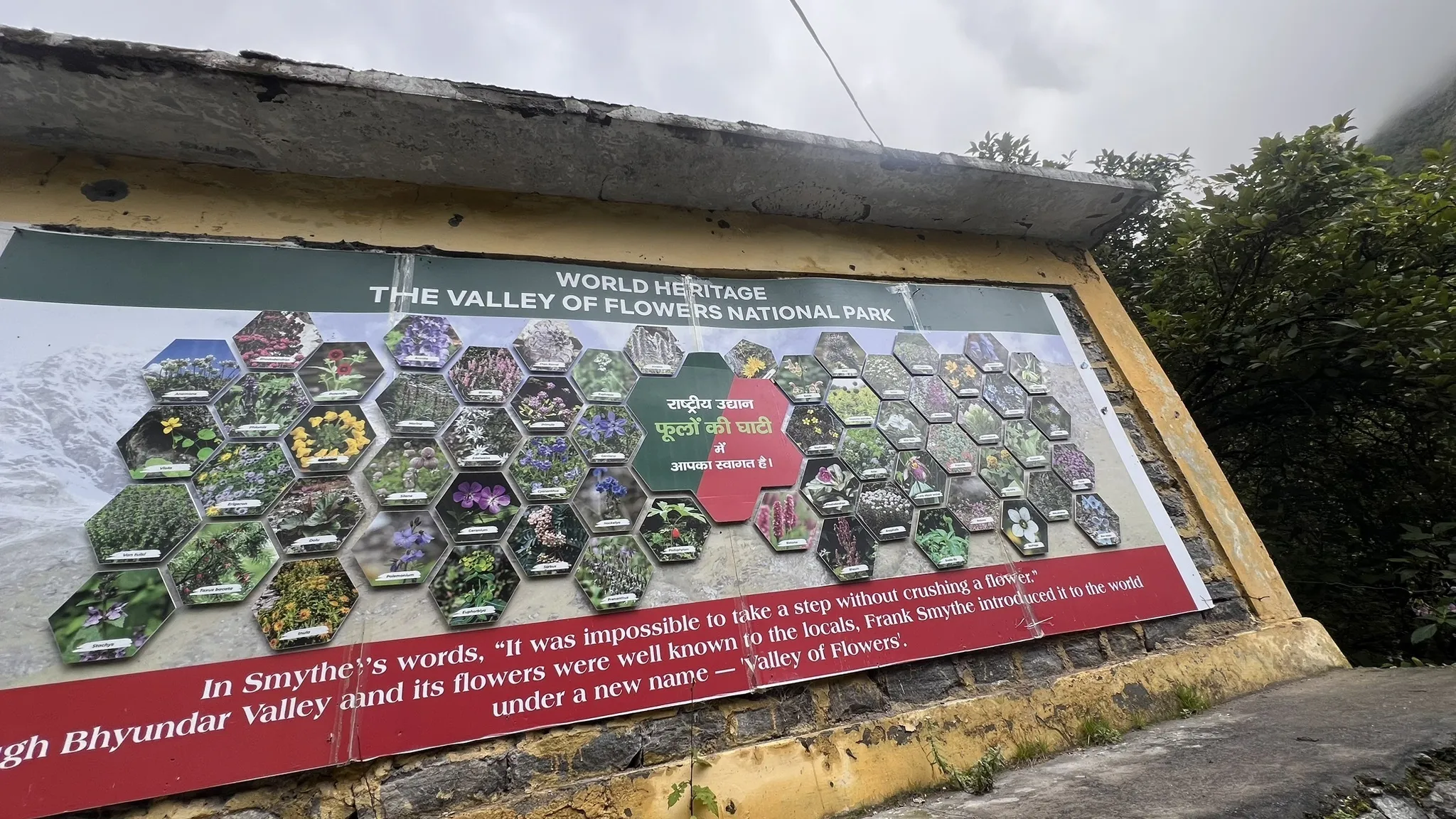
- UNESCO World Heritage Site recognition
- Home to over 500 species of wildflowers
- Breathtaking glaciers, waterfalls, and rivers
- Best trek for beginners wanting a mid-altitude Himalayan experience
- Optional detour to Hemkund Sahib, a sacred Sikh pilgrimage lake
- A vibrant floral spectacle, views of snow-capped peaks, and the serene Hemkund Sahib Gurudwara.

🌸 Valley of Flowers Trek 🏔️
Explore the spectacular Valley of Flowers National Park and experience a breathtaking Himalayan landscape filled with alpine flowers, mountain views and the sacred Hemkund Sahib.
-
🎒Personal Porter: ₹400/day (Carries one bag)
-
🛏️Double Sharing Room: ₹1,800
-
🚗Transportaion : Rishikesh ↔ Joshimath ₹2,400
-
🚗Round-Trip Transportation
-
🧑🏫Professional Certified Trek Leader
-
🏨Accommodation on Shared Basis
-
🍽️Nutritious Vegetarian, Vegan & Jain Meals
-
🏅Trek Completion Certificate
-
🗺️Custom-Framed Digital Trek Poster
-
🚗Transportation: Round-trip transport from Rishikesh/Haridwar or Joshimath to the trek base, depending on the selected package.
-
🧑🏫Professional Trek Guide: Experienced, friendly and mountaineering-course-certified trek leader.
-
🏨Accommodation: Shared hotel accommodation at Joshimath and lodge/guesthouse accommodation at Ghangaria.
-
🍽️Nutritious Meals: Vegetarian, vegan and Jain meal options available.
-
📜Permits & Fees: Standard forest entry permits for Indian citizens, state taxes, toll taxes and parking.
-
🏅Trek Completion Certificate: Digital certificate acknowledging your trekking achievement.
-
🗺️Custom-Framed Digital Poster: Personalised digital poster mapping your trek trail.
-
🛡️Travel Insurance: Personal travel insurance is not included.
-
🍱Journey Meals: Meals during road journeys or transit are not included.
-
🎒Personal Expenses: Porterage, tips, laundry and other personal expenses.
-
🏨Additional Stay or Meals: Any accommodation or meals not specifically mentioned in the inclusions.
-
🚙Emergency Transport: Additional costs for 4×4 or snow-chained vehicles if required.
-
💰GST: 5% GST is not included in the package price.
-
🌍Foreigner Permit Surcharge: International visitors may be required to pay an additional entry fee of approximately ₹800.
-
📸Photography/Camera Fees: Charges for professional or personal photography equipment.
-
➕Optional Activities: Any optional activities not specifically included in the package.
-
⚠️Other Expenses: Anything not specifically mentioned in the inclusions.
Attractions: Beyond the Blooms
While the flowers are the main draw, the Valley of Flowers and its surroundings offer more to explore:
- Pushpawati River: This glacial river flows through the valley, adding a soothing soundtrack to your journey.
- Hemkund Sahib: A high-altitude Sikh Gurudwara and a revered pilgrimage site, its serene lake is said to be the place where Guru Gobind Singh meditated.
- Brahma Kamal: Uttarakhand’s state flower, this rare and beautiful flower is found in abundance here.
- Wildlife: Keep an eye out for diverse flora and fauna, including musk deer, brown bears, and Himalayan Monal, the state bird of Uttarakhand.
Valley of Flowers Trek Itinerary
- Day 1: Arrival in Haridwar/Rishikesh & Drive to Joshimath Drive: ~250 km | 10 hrs. Enjoy the scenic journey along the Alaknanda River.
- Day 2: Drive to Pulna & Trek to Ghangaria Drive: 20 km | Trek: 9 km | 5-6 hrs. The gateway to the valley.
- Day 3: Trek to Valley of Flowers (Exploration) Trek: 8 km one way | 6-7 hrs. Witness the UNESCO World Heritage site in full bloom.
- Day 4: Optional Trek to Hemkund Sahib Trek: 6 km steep ascent | 5-6 hrs. A sacred, challenging pilgrimage to the glacial lake.
- Day 5: Return Trek to Pulna & Drive to Joshimath Trek: 9 km | 4-5 hrs | Drive: 20 km. Descend back to the base.
- Day 6: Drive back to Rishikesh/Haridwar Drive: ~250 km | 10 hrs. Departure with memories of the Himalayas.
Note: Timings and distances are approximate. Weather conditions in the Himalayas may require adjustments to the daily schedule for safety.
Flowers of the Valley: What You Will See and When
The Valley of Flowers National Park is home to over 500 documented species of alpine wildflowers. No two weeks in the valley look the same — new species come into bloom each week between July and September, creating a constantly shifting tapestry of colour.
-
🌼 Himalayan Blue Poppy Mid-July to August
Rarest — found on rocky slopes above 3,500 m
-
🪷 Brahma Kamal July – August
Uttarakhand state flower; seen on Hemkund trail above 4,000 m
-
🐍 Cobra Lily (Arisaema) July
Distinctive hooded flower; common in lower valley
-
🟣 Meadow Geranium July – August
Abundant throughout the valley floor
-
🔔 Himalayan Bellflower August
Deep violet; seen on open slopes
-
💙 Blue Primula July
Early bloomer near streams and wet meadows
-
🌿 Snake Foil July – August
Creeping plant with small yellow flowers
-
🤍 River Anemone Late July
White flowers near the Pushpavati riverbanks
-
🌸 Orchids (12+ species) July – September
Various; check the rocky ledges near entry gate
-
🧡 Calendula August
Bright orange; visible from the trail entrance
-
🌷 Bistort August
Pinkish-white spikes; forms dense patches mid-valley
-
💛 Potentilla (Cinquefoil) July – August
Yellow; very common ground cover
Note: Bloom times vary slightly each year depending on monsoon arrival and snowmelt. Keep your camera ready, but remember to stay on the marked trails to protect these delicate species.
Valley of Flowers Trek Route Map
- Starting Point: Govindghat (1,800m)
- Pulna: Last road head
- Ghangaria: Trek base camp (2,900m)
- Valley Entrance: 3,250m
- Valley Core: 3,500–3,600m (Valley of Flowers proper)
- Hemkund Sahib: 4,300m (steep detour)
How to Reach Govindghat (Base Camp)
Govindghat serves as the vital gateway to the Valley of Flowers. Here is how you can reach the base camp:
-
✈️ By Air
The nearest hub is Jolly Grant Airport, Dehradun. From there, you can hire a private taxi or take a shared cab to Govindghat, covering a scenic distance of approximately 290 km.
-
🚆 By Train
Rishikesh Railway Station is the most convenient railhead. Regular road transport, including buses and taxis, is readily available from Rishikesh to reach the trekking base at Govindghat.
-
🚗 By Road
Govindghat is well-connected via NH7. You can take advantage of regular bus services or private taxis originating from major regional hubs like Rishikesh, Haridwar, Joshimath, and Dehradun.
Need help with travel logistics? Contact Super Trekkers for guided transfers and transport assistance.
Packing Guide: What to Carry
| Item | Details |
|---|---|
| Rain jacket/trousers | Waterproof (essential for monsoon season) |
| Trekking shoes | Ankle support, grippy sole |
| Backpack | 35–50L, rain cover |
| Warm layers | Fleece, jacket, gloves, cap |
| Sunglasses | UV protected |
| Water bottles | 2L minimum |
| Basic medications | Prescribed, altitude, pain relievers |
| Energy snacks | Dry fruits, bars, chocolates |
| Permits/ID | Forest permit, photo ID |
| Camera/phone/powerbank | For photos, navigation |
| Toiletries | Biodegradable soap, tissues |
Valley of Flowers Entry Permit & Park Rules 2026
Before you set foot into this UNESCO paradise, make sure you’re up‑to‑date with the latest fees, timings, and strict regulations – all verified for the 2026 season.
💵 Entry Fees (Per Person, Per Day)
-
🇮🇳 Indian Nationals
₹200 per person
-
🌍 Foreign Nationals
₹800 per person
-
🇮🇳 SAARC Nationals
₹200 per person
-
👶 Children under 15
Free (valid ID proof required for age verification)
-
🕍 Hemkund Sahib
No separate entry fee – managed by the Gurudwara committee (donations are voluntary)
🪪 Important – Payment Method: Permits are purchased only at the forest check‑post in Ghangaria (just before the valley entrance). There is no online booking for 2026. Carry exact cash (₹) – UPI / POS machines frequently fail due to poor network.
⏰ Park Timings (Strictly Enforced)
-
🟢 Entry Gate Opens
7:00 AM
-
🔴 Last Entry (You MUST enter by)
2:00 PM – Do not believe outdated blogs saying 5 PM – entry is strictly cut off at 2 PM to ensure safe return before dark.
-
🚪 Gate Closes (All visitors must exit)
5:00 PM
💡 Pro Trekker Tip: Arrive at the gate by 6:45 AM to complete formalities and enter at 7:00 AM sharp – you’ll get the best light for photos and avoid the afternoon crowds.
📜 Valley of Flowers National Park Rules
📞 Important Contact Numbers (2026)
-
Forest Department (Ghangaria Check‑post)
+91‑XXXXXXXXXX (verify on arrival)
-
SDRF (State Disaster Response Force) – Joshimath
112 or 108
-
Nearest Medical Centre
Ghangaria Primary Health Centre (basic first aid only)
🌸 Book your Valley of Flowers trek with Super Trekkers – we handle permits, guides, and logistics so you can focus on the blooms!
Important Links:
- Uttarakhand Forest Department
- Weather Forecast: Joshimath
- Route Info: Indian Himalayas
- Joshimath to Govindghat: Bus Timings
- IMD Weather Alerts
Your journey to the Valley of Flowers promises awe, challenge, and transformation. With careful planning, right gear, and a trustworthy guide, your experience will be unforgettable. Don’t underestimate the logistics, weather, or risks—let Super Trekkers handle the details, so you can focus on soaking in the Himalayan grandeur.
Book your Valley of Flowers Trek with Super Trekkers today for a trip that blends adventure, culture, and nature in one seamless package.
FAQs
What is the best time for the Valley of Flowers Trek?
Mid-July to mid-August is the peak bloom season, though the valley is open from June to early September.
Is Valley of Flowers Trek safe during monsoon?
Yes, but trails can be slippery. It’s safest with experienced guides like Super Trekkers.
Can beginners do this trek?
Absolutely! It’s beginner-friendly with gradual ascents, provided you’re moderately fit.
Is a guide mandatory?
No, but it’s highly recommended. Super Trekkers ensures safety, permits, and route management.
How to reach Govindghat?
Take a train/bus to Rishikesh → Drive to Joshimath → Shared taxi to Govindghat.
Are there ATMs or mobile networks?
ATMs at Joshimath. Mobile signals vanish after Govindghat—inform loved ones in advance.
What kind of flowers will I see?
Himalayan Blue Poppy, Brahma Kamal, Cobra Lily, and over 500 species of alpine flora.
Is the Valley of Flowers Trek safe during the monsoon? Yes, the trek is safe during the monsoon. In fact, this is the only time the flowers are in full bloom. However, trekkers should be prepared for heavy rainfall and carry appropriate gear.
What is the best time for the Valley of Flowers Trek?
The best time is from mid-July to mid-August when the valley is at its floral peak. September is also a good time, offering a different set of blooms and clearer weather.
Can a beginner do the Valley of Flowers Trek? Absolutely. The trek is rated easy to moderate, with a well-defined path. With a reasonable level of fitness, beginners can complete it comfortably.
How do I get to the Valley of Flowers Trek starting point?
The nearest major town is Joshimath. From there, you drive to Govindghat, the trek’s starting point. The nearest airport is Dehradun, and the nearest railway station is Rishikesh.
Are there food and accommodation options on the trek?
Yes, Ghangaria serves as the base camp and offers various food and accommodation options. You will find small dhabas and guesthouses.
What should I pack for the trek?
Essential items include waterproof trekking shoes, a rainproof jacket, warm clothing, a first-aid kit, a headlamp, and a water bottle.


