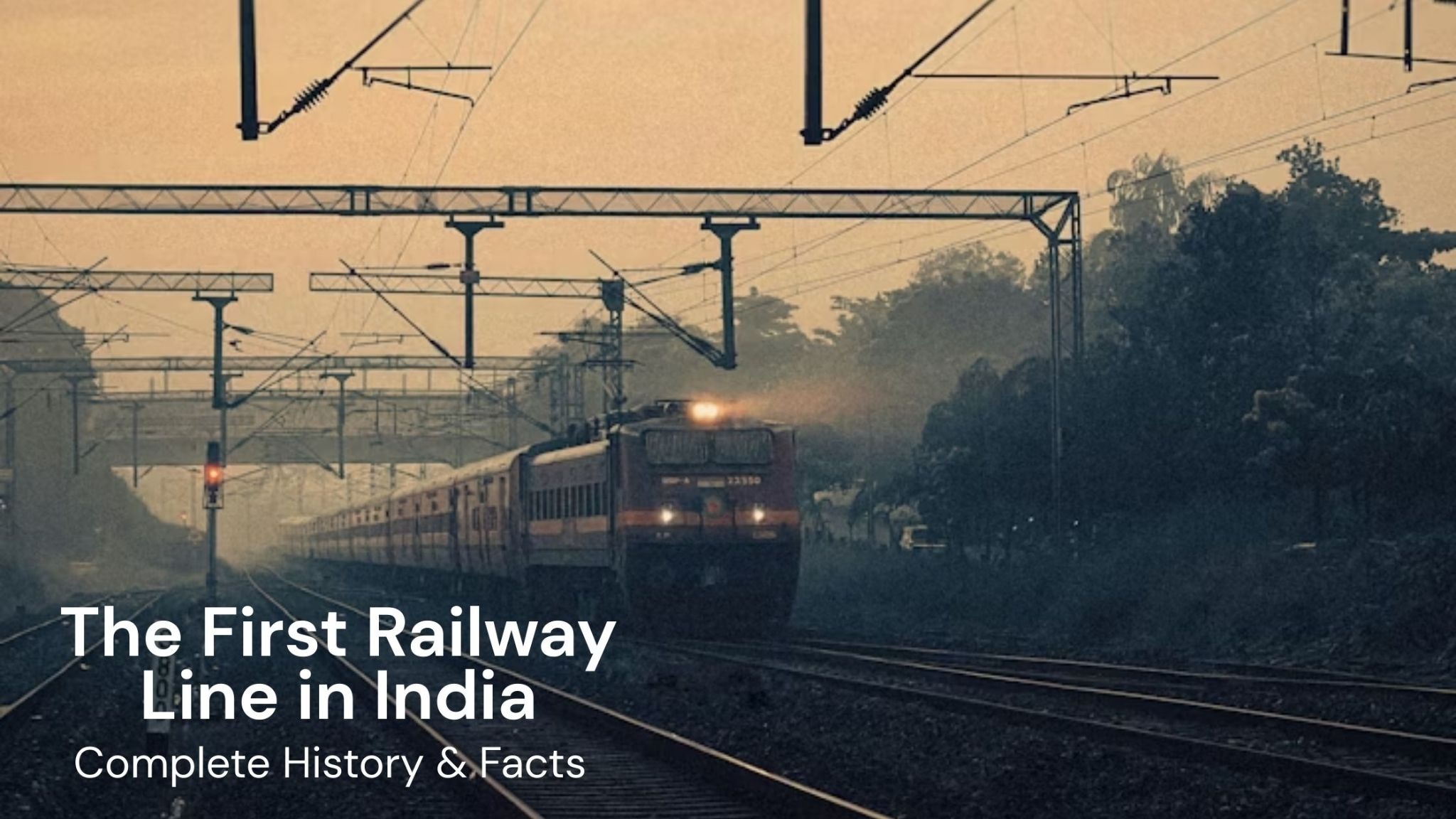
The first railway line in India developed through a process which combined visionary planing with ambitious execution and resulted in complete social and economic transformation. The initial colonial infrastructure development project has developed into one of the world’s largest railway systems. People who search for information about India’s first railway line expect to get basic details which include the date and the train route. The actual historical account contains multiple elements which include economic planning and technological advancements and societal transformations which together reshaped the country.
Modern railway services now combine historical legacy with technological advancements. The availability of online ticket booking, live train tracking, and PNR status checking demonstrates how the railway system has adapted to meet the needs of millions of passengers while maintaining its historic significance in India’s development.
Early Railway Proposals in India
People already began discussing rail transport systems from the 1830s onward before the 1st railway line in India started operations in 1853. British merchants and administrators recognized the potential of railways to speed up trade and improve connectivity between ports and inland regions. Proposals for railway systems originated in both Madras and Bengal yet financial issues together with operational difficulties stopped their implementation.
The British East India Company controlled India at that time and the company used railways as a primary resource to achieve economic benefits. British companies would obtain advantages through the faster transportation of raw materials which included cotton and coal from port cities toward their industrial operations. Troop movement would become faster through railway systems which would help administrators maintain control over their extensive territories.
The Historic Inauguration on 16 April 1853
The main event which defines Indian railway history occurred on April 16 1853. The first railway line in India opened passenger service on this date from Bori Bunder in Bombay which is now Mumbai to Thane. The train journey covered a distance of 34 kilometers which included 400 passengers who traveled in fourteen carriages.
The celebration of the event reached its peak with a 21-gun salute and other elaborate festivities. The three steam locomotives that powered the train were named Sahib, Sindh, and Sultan. The first railway line in India began its operations when this train traveled across the subcontinent and showed how railways could change travel in the entire region.
The Role of the Great Indian Peninsula Railway
The Great Indian Peninsula Railway operated both rail construction and railway service for India’s first railway line. Established in 1849, it became one of the earliest railway companies in the region. The company financed its railway construction project through British investments while receiving government protection against operational difficulties.
British engineers directed thousands of Indian workers who constructed tracks and embankments and bridges throughout the project. The bridge over Thane Creek stood as an important engineering achievement for the project. The project achieved its goal through limited technology because it established a network for future railway development throughout India.
Why Mumbai to Thane Was Chosen
The route from Mumbai to Thane was strategically selected. The development of Mumbai into a major port city which handled international trade and export activities established its status as a key municipal center. The establishment of railways would enable more efficient transportation between Mumbai and its neighboring areas. The railway system required several hours of travel time which used road and boat services to connect these two areas. The train reduced the journey time significantly, demonstrating the efficiency of rail transport.
The first achievement of the company led to its rapid expansion into new markets. Railway networks expanded across India until they reached major cities which formed the foundation for connecting all parts of the nation.Today, services like Train Running Status provided by Indian Railways allow passengers to track real-time train locations, delays, and schedules, making railway travel more convenient and efficient.
Engineering and Technical Features
The first railway line in India used broad gauge tracks, a decision that influenced the future standardization of Indian railways. Broad gauge tracks delivered better stability while enabling trains to transport heavier freight loads, which made it suitable for both passenger operations and freight transportation.
The English-built steam locomotives operated by the railway system entered the country from England. The engines showcased the most advanced industrial technological achievements of their time, which belonged to the 1850s era. The railway stations started as basic operational buildings which had no need for decorative design elements. The architectural design of railway stations evolved into more complex structures because rail travel developed into a crucial transportation method.
Economic Impact of the First Railway Line
The 1st railway line in India produced its economic effects right after its establishment. The new railway system enabled farmers to deliver their products to city markets while merchants expanded their commercial operations and factories received easier access to essential materials. The railway system made it cheaper to move goods while enabling businesses to discover new markets.
The 34-kilometer route developed into a comprehensive transportation system throughout its development. Indian Railways today maintains one of the biggest railway networks across the globe. The project began as a colonial trade initiative transformed into essential national infrastructure which supports millions of users every day.
Social and Cultural Transformation
The first railway line in India created major social changes which extended beyond economic effects. Rail travel made long-distance journeys accessible to ordinary people. People could now travel for educational purposes and religious pilgrimages and general movement between different locations. Different cultural groups from various regions with distinct languages began meeting each other more often, which resulted in cultural exchange between their communities.
Railways established themselves as a vital communication and transportation network which supported India’s freedom movement throughout the nation. The system started as a tool for colonial powers but later developed into a mechanism which united the country.
Evolution into Modern Rail Services
The comparison between steam locomotives’ operational system and present day railway system operations shows the extent of change which has taken place. Passengers today complete PNR status checks through online systems which provide booking information within seconds. Train Running Status updates provide real time information which enables travelers to create better travel plans through precise arrival and departure times. The digital ordering system for food on train enables passengers to request meals which staff will bring to their seats, demonstrating how technology has improved travel comfort and convenience.
The initial railway line which opened in India proves to have continuous growth in its present day advancements. The development from steam engines to electric locomotives which now operate high speed trains marks a significant achievement.
Architectural Legacy and Heritage
The original Bori Bunder station was later replaced by the grand Chhatrapati Shivaji Terminus in Mumbai, an architectural masterpiece and UNESCO World Heritage Site. The building which was constructed several decades after the first train operation started shows how the first 34 kilometer track created new paths for expansion.
The 1st railway line in India serves as a vital historical element which remains essential to understanding the development of Indian infrastructure systems. The route between Mumbai and Thane which turned into a single track still exists today through museums and preserved locomotives and heritage tracks as evidence of its historical importance. The first railway line in India established itself as more than a transport link because it marked the start of a new time period.
Also Read :
Gaumukh Tapovan Trek : Complete Guide for Himalayan Trekking
Live train running status for all trains in Maharashtra
FAQs
Q. Which was the first railway line in India?
The first railway line in India operated between the cities of Mumbai and Thane. The train service commenced its first journey on April 16 1853 to start delivering passenger service throughout the nation. The Bori Bunder train station in Mumbai became the departure point for a train journey that ended in Thane, which created India’s first railway line. The historic journey established the foundation which eventually developed into one of the world’s largest railway systems which operates today as Indian Railways.
Q. How long was the first railway route in India?
The first railway route in India was approximately 34 kilometers long. The train service established a connection between Mumbai and Thane which allowed travelers to reach their destination faster than before. The train service enabled people to travel between destinations which used to take several hours through road or boat travel to now reach their destinations in less than one hour. The first railway line in India began as a short train route which developed into a major technological and infrastructural achievement for mid-19th century train travel.
Q. How many passengers traveled on India’s first train?
Around 400 passengers traveled on India’s first train during its inaugural run in 1853. The train consisted of fourteen carriages which three steam locomotives named Sahib, Sindh, and Sultan operated. The event reached peak excitement because they performed a 21-gun salute which showed how important the first railway line in India was to their society at that time.
Q. What was the significance of the first railway line in Indian history?
The first railway line in India serves more important purposes than transportation. The system enabled better trade routes between two regions because it created direct connections between previously separated areas. The system enhanced economic development because it enabled people to move freely while it constructed modern infrastructure throughout the entire nation.
Q. Is the first railway route in India still operational today?
Yes, the Mumbai–Thane route is still operational today. It is now part of the busy suburban railway network in Mumbai and continues to serve thousands of commuters daily, preserving the legacy of the 1st railway line in India.