

Mount Everest, the Earth’s highest peak at 8,848.86 meters (29,031.7 feet), straddles the border between Nepal and Tibet (China) in the Mahalangur Himal sub-range of the Himalayas. Its precise location at 27°59′17″N latitude and 86°55′31″E longitude places it in Sagarmatha National Park (Nepal) and Tingri County (Tibet). This guide covers everything about Everest’s geography, how to visit, and key facts about its base camps.
Mount Everest, the world’s highest peak, has captivated adventurers and dreamers for decades. Whether you’re planning a trek to Everest Base Camp or simply curious about this iconic mountain, this guide covers everything you need to know about its location, altitude, and more. At Super Trekkers, we’re passionate about helping you explore the wonders of the Himalayas with confidence and excitement. Let’s dive in!
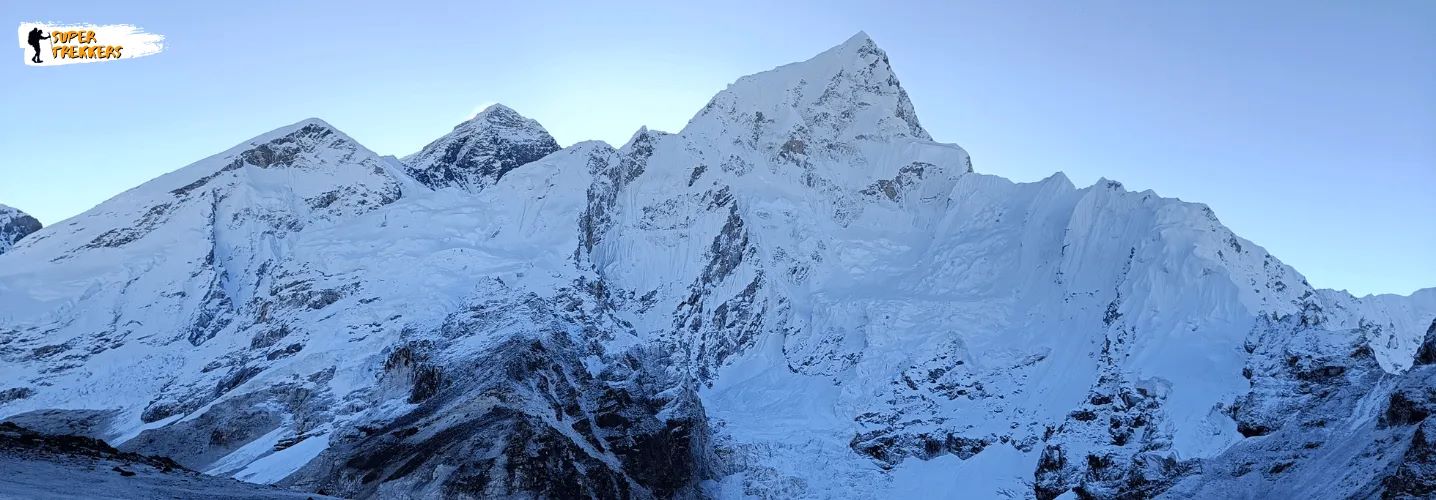

Where is Mount Everest Located ?
Mount Everest is located in the majestic Himalaya mountain range, straddling the border between Nepal and the Tibet Autonomous Region of China. Specifically, it sits on the crest of the Great Himalayas, with its southern slopes in Nepal and northern slopes in Tibet. The mountain’s coordinates are approximately 27.9881° N latitude and 86.9250° E longitude, making it a beacon for mountaineers and trekkers worldwide.
- Coordinates: 27.9881° N, 86.9250° E
- Countries: Nepal (south) and China (north)
- Region: Khumbu, eastern Nepal, and Tingri County, Tibet (China)
- Nearest Major City: Kathmandu (140km air distance)
- Border Status: Demarcated by 1961 China-Nepal boundary treaty
🏔️ MOUNT EVEREST
The Ultimate Guide to Earth’s Highest Peak
📍 Location & Geography
Elevation
29,031.7 feet above sea level (Official Nepali/Chinese measurement)
Countries
The peak straddles the international border between the two nations.
🌐 Precise Coordinates
Located in Sagarmatha National Park (Nepal) and Tingri County (Tibet)
🏕️ Base Camps Comparison
| Feature | South Base Camp (Nepal) | North Base Camp (Tibet) |
|---|---|---|
| Elevation | 5,364m (17,598ft) | 5,150m (16,900ft) |
| Access | 12-day trek from Lukla (EBC Trek) | Drive to Rongbuk Monastery + short hike |
| Best Season | Spring (March-May) & Autumn (Sept-Nov) | May – October |
| Permits Required | Sagarmatha NP + TIMS | Tibet Travel Permit |
| Main View | Khumbu Icefall, Lhotse Face | Stunning North Face panorama |
📅 Best Times to Visit
SPRING (Peak)
March – May
Stable pre-monsoon weather.
AUTUMN (Clear)
Sept – Nov
Post-monsoon clear skies.
MONSOON (Avoid)
June – Aug
Cloud cover and landslide risks.
WINTER (Extreme)
Dec – Feb
Severe cold and heavy snow.
⚡ Amazing Facts
Local Names
Sagarmatha / Chomolungma
First Summit
Hillary & Tenzing, 1953
Still Growing
The mountain grows ~4mm/year
Trek Start
Lukla Airport
🧭 Getting to Base Camp
From Nepal (South EBC)
- ✈️ Fly to Kathmandu, then to Lukla.
- 🥾 Embark on a classic 12-day trek.
From Tibet (North EBC)
- ✈️ Fly to Lhasa, then drive to Shigatse/Shegar.
- 🚗 Access is primarily by a scenic 2-day vehicle drive.
Mount Everest Is Located in Which Country?
To clarify, Mount Everest is shared by two countries: Nepal and China. The summit lies directly on the border, with Nepal hosting the more popular trekking and climbing routes, particularly via the South Col from Everest Base Camp in Nepal. The northern approach, accessed through Tibet, is another route used by climbers, though it’s less frequented due to permit restrictions and logistics.
For most adventurers, Nepal is the gateway to Everest. The trek to Everest Base Camp starts in Lukla, a small town in Nepal’s Khumbu region, and winds through stunning landscapes, Sherpa villages, and rugged terrain.
Everest Base Camp: Altitude and Elevation
Everest Base Camp is a bucket-list destination for trekkers, offering a chance to stand in the shadow of the world’s tallest mountain without needing to summit it. But how high is Everest Base Camp, and what should you know about its altitude?
Everest Base Camp Height and Elevation
- South Base Camp (Nepal): Located at an altitude of 5,364 meters (17,598 feet) above sea level, this is the more popular base camp for trekkers and climbers. It serves as the staging point for those attempting to summit Everest via the South Col route.
- North Base Camp (Tibet): Situated at 5,150 meters (16,900 feet), this base camp is accessed from the Chinese side and is less commonly visited by trekkers due to accessibility and permit requirements.
Everest Base Camps: South vs North
| Feature | South Base Camp (Nepal) | North Base Camp (Tibet) |
|---|---|---|
| Elevation | 5,364m (17,598ft) | 5,150m (16,900ft) |
| Access | 12-day trek from Lukla | Drive to Rongbuk + short hike |
| Best Season | March-May & Sept-Nov | May-October |
| Permits | Sagarmatha NP permit + TIMS | Tibet Travel Permit |
| View | Khumbu Icefall | North Face panorama |
The Everest Base Camp altitude in Nepal is significant, as it places trekkers in a high-altitude environment where proper acclimatization is critical. At over 17,000 feet, the air is thin, and altitude sickness is a real concern. That’s why Super Trekkers emphasizes gradual ascent, proper hydration, and expert guides to ensure your safety and enjoyment.
Mount Everest: The World’s Tallest Peak
- Elevation: 8,848.86 meters (29,031.7 feet) above sea level
- Location: Border of Nepal and China (Tibet)
- National Park: Sagarmatha National Park (Nepal)
Mount Everest isn’t just the highest point on Earth—it’s a symbol of adventure, resilience, and the spirit of exploration. Whether you’re trekking to Base Camp or just soaking in the mountain’s majesty, Everest offers a life-changing experience.
Quick Reference Table
| Feature | Details |
|---|---|
| Where is Mount Everest? | Border of Nepal and Tibet (China) |
| Mount Everest Coordinates | 27.9881° N, 86.9250° E |
| Country (Best Access) | Nepal |
| Everest Base Camp Altitude | 5,364 meters (17,598 feet) |
| Mount Everest Elevation | 8,848.86 meters (29,031.7 feet) above sea level |
Schedule a FREE Guidance Call with Super Trekkers today!
Why Trek to Everest Base Camp?
Trekking to Everest Base Camp is more than just reaching a destination—it’s a journey through breathtaking landscapes, vibrant Sherpa culture, and personal triumph. Here’s why it’s a must-do:
- Stunning Scenery: From lush valleys to glacier-carved trails, the Khumbu region offers unparalleled views of peaks like Lhotse, Nuptse, and Ama Dablam.
- Cultural Immersion: Stay in traditional teahouses, visit ancient monasteries like Tengboche, and connect with the warm-hearted Sherpa community.
- Personal Achievement: Standing at Everest Base Camp, surrounded by the world’s highest peaks, is a moment you’ll never forget.

How to Reach Mount Everest
From Nepal Side:
- Fly to Lukla (35min from Kathmandu)
- Trek via Namche Bazaar (8-10 days to EBC)
- Required Permits:
- Sagarmatha National Park Entry
- Khumbu Pasang Lhamu Rural Municipality Permit
From Tibet Side:
- Fly to Lhasa (3,650m)
- Drive via Everest Highway (2 days)
- Stop at Rongbuk Monastery (world’s highest)
Best Times to Visit Everest
- Prime Trekking Seasons:
- Spring (March-May): Stable weather, summit attempts visible
- Autumn (Sept-Nov): Clear skies, excellent visibility
- Avoid:
- Monsoon (June-August): Landslide risks
- Winter (Dec-Feb): Extreme cold (-30°C at summit)
Tips for Planning Your Everest Base Camp Trek
- Choose the Right Season: The best times to trek are spring (March-May) and autumn (September-November) for stable weather and clear views.
- Prepare Physically: The trek involves long days of hiking at high altitudes. Cardiovascular training and leg strength exercises are key.
- Pack Smart: Layered clothing, sturdy trekking boots, and a good sleeping bag are essentials. Don’t forget sunscreen and sunglasses for UV protection.
- Acclimatize Properly: Follow a well-planned itinerary with rest days in places like Namche Bazaar to adjust to the altitude.
- Go with Experts: At Super Trekkers, our experienced guides and carefully crafted itineraries ensure a safe and memorable adventure.
Fun Facts About Mount Everest
- Mount Everest stands at 8,848.86 meters (29,031.7 feet), as confirmed by a 2020 survey by Nepal and China.
- Its name honors Sir George Everest, a British surveyor, though locals call it Sagarmatha (Nepal) or Chomolungma (Tibet), meaning “Goddess Mother of the World.”
- The first confirmed summit was by Sir Edmund Hillary and Tenzing Norgay in 1953.
Ready to Trek with Super Trekkers?
Whether you’re dreaming of standing at Everest Base Camp or simply want to learn more about the world’s highest peak, Super Trekkers is here to make your adventure unforgettable. Our expert team offers personalized guidance, top-notch safety measures, and a passion for sharing the magic of the Himalayas.
Ready to take the first step? Contact us today to plan your Mount Everest adventure, and let’s conquer the heights together!
FQAs – About Mount Everest
Q: Where is Mount Everest located?
- A: Mount Everest is located in the Himalaya mountain range, straddling the border between Nepal and the Tibet Autonomous Region of China. Its geographic coordinates are approximately 27.9881° N latitude and 86.9250° E longitude. The southern slopes are in Nepal’s Khumbu region, while the northern slopes lie in Tibet. For trekkers, the most popular route to Everest Base Camp starts in Nepal, accessible via Lukla.
Q: What’s the best time to visit Everest Base Camp?
- A: Spring (March–May) and Autumn (September–November) are the best seasons due to stable conditions, clear skies, and moderate temperatures.
Q: What is the altitude of Everest Base Camp?
- A: The altitude of South Base Camp (Nepal) is 5,364m (17,598ft) above sea level.
Q: How long does it take to trek to Everest Base Camp?
- A: The typical trek to Everest Base Camp and back to Lukla takes about 11–14 days, depending on your pace and the itinerary used for proper altitude acclimatization.
Q: Do I need a guide to trek to Everest Base Camp?
- A: While it’s technically possible to trek independently, it is strongly recommended to go with a qualified guide, especially for first-timers, for safety and logistics.
Q: What permits do I need for Everest Base Camp?
- A: To trek to Everest Base Camp in Nepal, you need a Sagarmatha National Park Permit and a TIMS (Trekkers’ Information Management System) Card.
Q: Is the Everest Base Camp trek difficult?
- A: The trek is considered moderate to challenging. The difficulty comes from the high elevations and freezing temperatures, which require 5–7 hours of walking per day for several days.
Q: What should I pack for Everest Base Camp?
- A: Essential items include multiple layers of warm clothing, strong waterproof trekking boots, a hat, gloves, a down jacket, sunscreen, a first aid kit, and water purifying tablets.
Q: Are there accommodations along the trail?
- A: Yes. There are numerous teahouses and lodges along the trail where you can stay overnight, eat, and rest.
Q: Is Everest still growing?
- A: Yes, due to the ongoing collision of tectonic plates, Mount Everest is estimated to be growing taller by approximately 4mm annually.


