Curious about the differences between trekking and hiking?
This comprehensive guide explores the nuances of these popular outdoor activities. From terrain preferences and intensity levels to essential equipment, discover which one best suits your adventure style. Whether you’re a seasoned explorer or a beginner, understanding the distinctions between trekking vs hiking will help you make informed choices for your next outdoor adventure.
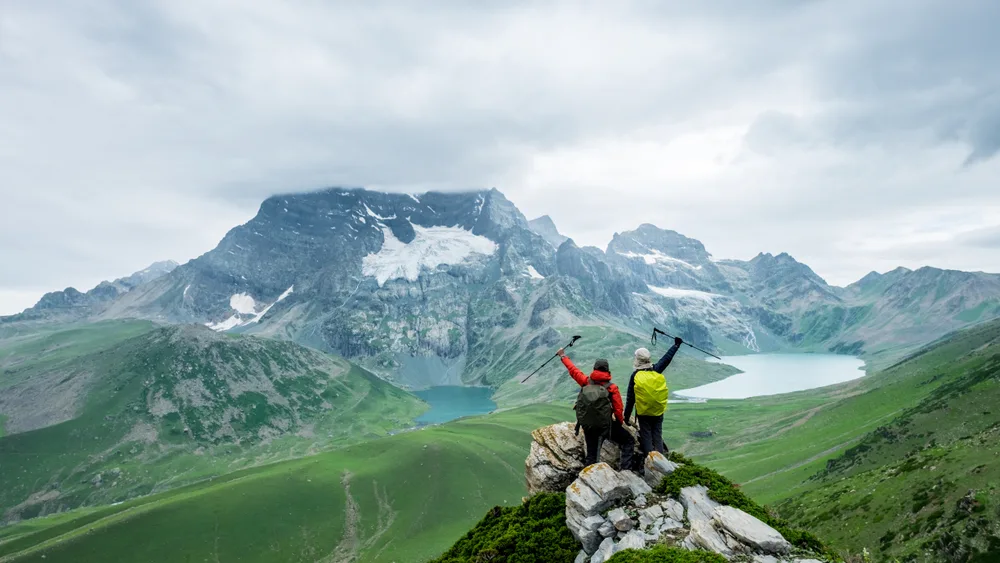
Hiking is all about exploring nature on foot, typically on well-marked trails. It’s a great way to enjoy the outdoors without needing too much gear or preparation.
On the other hand, trekking takes things up a notch. It’s a more intense, multi-day journey through challenging terrain. Think of it as a longer, more adventurous version of hiking.
Trekking vs Hiking
Trekking vs Hiking are two outdoor activities that are often used interchangeably, but there are some key differences between the two.

What is Trekking?
Trekking, on the other hand, is a multi-day journey that takes place in more remote and challenging terrain. Trekking trails may be unmarked or poorly maintained, and they may involve steep inclines and descents, narrow ledges, and other hazards. Trekking often requires carrying a backpack with all of the necessary supplies, including food, water, shelter, and clothing.
Key Characteristics of Trekking:
- Duration: Multi-day journeys, sometimes lasting weeks.
- Terrain: Remote, rugged landscapes, such as high-altitude mountains, deserts, or jungles.
- Preparation: Requires specialized gear (e.g., tents, sleeping bags, cooking equipment), navigation skills, and physical training.
- Intensity: Physically and mentally challenging, often involving significant elevation changes or extreme weather.
- Accessibility: Best suited for experienced adventurers or those with proper training.
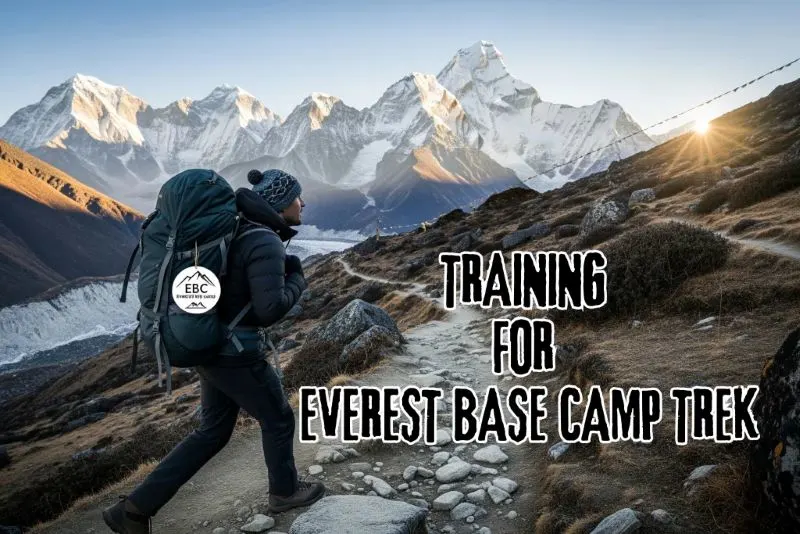
Famous trekking routes include the Everest Base Camp in Nepal , the Annapurna Circuit in Nepal, and the Appalachian Trail in the U.S., which demand careful planning and stamina.
What is Hiking?
Hiking is typically defined as a day-long walk on well-marked trails. It can be done for pleasure, exercise, or to explore a new area. Hiking trails can range in difficulty from easy to challenging, but they are generally accessible to people of all fitness levels.
Key Characteristics of Hiking:
- Duration: Usually a few hours to a full day.
- Terrain: Well-defined trails, often in local parks, nature reserves, or mountains.
- Preparation: Minimal gear required—comfortable shoes, water, snacks, and basic navigation tools (e.g., a map or GPS).
- Intensity: Ranges from easy strolls to moderately challenging uphill climbs.
- Accessibility: Suitable for beginners, families, and seasoned outdoor enthusiasts.
Hiking is ideal for those seeking a quick escape into nature without extensive planning. Popular hiking destinations include national parks like Yosemite in the U.S. or the Blue Mountains in Australia, where trails are clearly marked and maintaine
Trekking vs Hiking: What’s the Difference?
Hiking
Duration: Typically one day
Difficulty: Easy to challenging
Terrain: Well-marked trails
Equipment: Basic gear
Trekking
Duration: Multi-day
Difficulty: Generally more challenging
Terrain: Remote and challenging
Equipment: Specialized gear
Tips for Choosing:
- Consider your fitness level and experience
- Think about your goals for the outdoor experience
- Research the trail or route beforehand
- Be prepared with necessary gear and supplies
Key Differences Between Trekking and Hiking
| Characteristic | Hiking | Trekking |
|---|---|---|
| Duration | Typically one day or few Hours | Multi-day |
| Difficulty | Can range from easy to challenging | Generally more challenging |
| Terrain | Well-marked trails | Remote and challenging terrain |
| Equipment | Basic gear such as sturdy footwear, comfortable clothing, and a daypack | Specialized gear such as trekking poles, backpacks, and camping equipment |
| Planning | Less planning required | More planning required, especially for multi-day trips |
| Skills Level | Beginner-friendly | Experienced or trained |
Which one should you choose?
The best activity for you will depend on your fitness level, experience, and goals. If you are new to outdoor activities, hiking is a good place to start. It is a relatively easy and accessible way to enjoy the outdoors. Once you have gained some experience, you may want to try trekking, which can be a more challenging and rewarding experience.
Here are some tips for choosing between hiking and trekking:
- Consider your fitness level and experience. If you are new to outdoor activities, start with hiking and gradually work your way up to trekking.
- Think about your goals. What do you want to get out of your outdoor experience? If you are looking for a leisurely walk in a beautiful setting, hiking is a good option. If you are looking for a more challenging and rewarding experience, trekking may be a better choice.
- Do your research. Before you embark on any outdoor activity, it is important to research the trail or route you will be taking. This will help you to determine the difficulty level, terrain, and any other potential hazards.
- Be prepared. Make sure you have the necessary gear and supplies for the activity you are doing. This includes sturdy footwear, comfortable clothing, food, water, and shelter.
Preparation and Planning
Hiking requires minimal preparation. Just check the weather, pack your essentials, and you’re good to go.
Trekking needs extensive planning:
- Researching the route and terrain
- Getting the right gear
- Preparing physically and mentally for the journey
Physical Demands
Hiking is less physically demanding. It’s a great activity for people of all fitness levels.
Trekking is much more physically demanding. You’ll need a good level of fitness and endurance to tackle the challenges that come with it.
Summing It Up
So, there you have it—the key differences between trekking and hiking. Whether you’re looking for a casual day in nature or a multi-day adventure, there’s something for everyone in the great outdoors.
Trekking vs Hiking Differences can help you choose the right activity for your next outdoor adventure. Happy exploring!
Hiking and trekking both offer rewarding ways to connect with nature, but they cater to different goals and skill levels. Hiking is accessible and beginner-friendly, while trekking demands greater preparation and endurance for a more immersive adventure. Whether you choose a leisurely hike through a local park or an epic trek across a mountain range, both activities promote physical health, mental well-being, and a deeper appreciation for the outdoors.
Knowledge Center
Latest Articles & Blog
-

Best time to visit Kashmir Great Lake Trek
Kashmir is known as the “Paradise on Earth” and Kashmir Great Lakes Trek (KGL) is one of the most beautiful ways to explore its beauty.…
-
The First Railway Line in India: Complete History & Facts
The first railway line in India developed through a process which combined visionary planing with ambitious execution and resulted in complete social and economic transformation.…
-
Peaks, Valleys, Forests, and Falls: Four Entirely Different Weekend Adventures in Maharashtra
Maharashtra is a world of its own, offering unique expedition opportunities to all kinds of travellers. On one side, the clouds cover the coniferous trees…