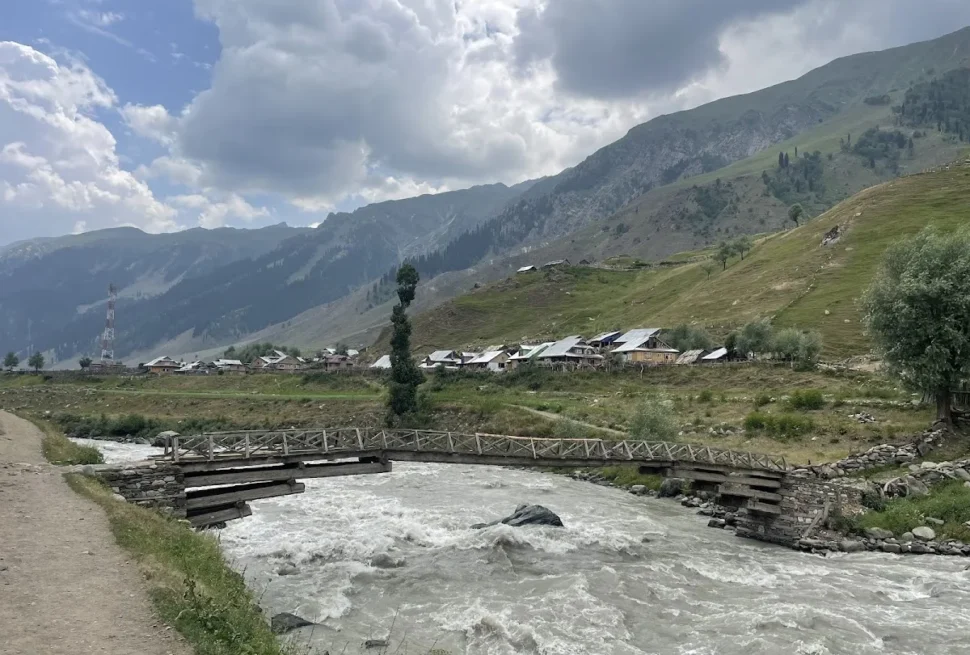
The Panch Kedar Yatra is one of the most sacred and adventurous pilgrimages in Uttarakhand. It connects five revered Shiva temples – Kedarnath, Tungnath, Rudranath, Madhyamaheshwar, and Kalpeshwar – each symbolizing a different body part of Lord Shiva according to legend.
Unlike regular pilgrimages, Panch Kedar demands trekking through rugged Himalayan trails, alpine meadows, and remote villages. For trekkers, it’s a perfect blend of spirituality and adventure, offering breathtaking views of the Garhwal Himalayas while tracing an ancient spiritual route.
📍 Where Exactly is Panch Kedar Located?
The Panch Kedar temples are located in Uttarakhand’s Garhwal Himalayas, spread across the Chamoli, Rudraprayag, and Uttarkashi districts.
- Altitude Range: 2,200 m (Kalpeshwar) to 3,583 m (Kedarnath)
- Region: Garhwal Himalayas, Uttarakhand
- Trek Difficulty: Moderate to Challenging (varies per temple)
- Best Season: May–June and September–October
- Duration: 15–20 days for the full Panch Kedar Yatra
Where Exactly Are the Five Shiva Temples of Panch Kedar Located in Uttarakhand?
The Panch Kedar temples are scattered across the Rudraprayag and Chamoli districts of Uttarakhand, each perched at varying altitudes and accessed via distinct trekking routes:
- Kedarnath (3,583m) – The most famous, accessible via Gaurikund. Part of the Char Dham circuit.
- Tungnath (3,680m) – The highest Shiva temple in the world, reached via Chopta.
- Rudranath (2,286m) – Hidden in dense forests, approached from Sagar or Gopeshwar.
- Madhyamaheshwar (3,497m) – “Middle Kedar,” nestled in a valley near Ukhimath.
- Kalpeshwar (2,200m) – The only temple accessible year-round, tucked in Urgam Valley.
🛤️ What Are the Panch Kedar Temples and Their Significance?
🔱 Kedarnath – Why is it the Most Important of the Panch Kedar?
- Altitude: 3,583 m
- Significance: The hump of Shiva appeared here.
- Trek Route: From Gaurikund (16 km trek).
- Highlight: Majestic Kedarnath peak backdrop, spiritual energy, and glacial rivers.
🔱 Tungnath – Why is Tungnath Famous as the World’s Highest Shiva Temple?
- Altitude: 3,680 m
- Significance: Shiva’s arms are worshipped here.
- Trek Route: 3.5 km from Chopta, suitable for beginners.
- Highlight: Panoramic views of Chaukhamba, Nanda Devi, and Trishul peaks.
🔱 Rudranath – Why is Rudranath Known for Its Mystical Setting?
- Altitude: 3,600 m
- Significance: Shiva’s face appeared here.
- Trek Route: Multiple routes (10–20 km) via Sagar, Mandal, or Helang.
- Highlight: Surrounded by alpine meadows and sacred kunds like Surya Kund, Tara Kund.
🔱 Madhyamaheshwar – What Makes Madhyamaheshwar Special?
- Altitude: 3,497 m
- Significance: Shiva’s navel appeared here.
- Trek Route: 16 km trek from Ransi village.
- Highlight: Peaceful setting with views of Chaukhamba and Kedarnath ranges.
🔱 Kalpeshwar – Why is Kalpeshwar the Only Year-Round Accessible Panch Kedar?
- Altitude: 2,200 m
- Significance: Shiva’s hair (Jata) appeared here.
- Trek Route: 2 km trek from Urgam Valley (near Helang).
- Highlight: Only Panch Kedar open all year.
🏔️ What Attractions Can You See Along the Panch Kedar Routes?
- Chopta (Mini Switzerland of India)
- Deoria Tal Lake near Ukhimath
- Chandrashila Peak for Himalayan sunrise views
- Alpine meadows (Bugyals) like Panar and Chopta
- Remote Garhwali villages with rich culture
🌄 Panch Kedar Temples & Their Significance
What Are the Different Routes and Itineraries for the Panch Kedar Trek?
There’s no single “standard” route — your itinerary depends on starting point, fitness, time, and preferences. Here are three popular options:
🗺️ Route 1: The Classic Clockwise Circuit (18 Days)
Start/End: Rishikesh → Haridwar
- Rishikesh → Kedarnath (via Gaurikund) – 3 Days
- Kedarnath → Guptkashi → Ukhimath → Madhyamaheshwar – 4 Days
- Madhyamaheshwar → Ukhimath → Sagar → Rudranath – 4 Days
- Rudranath → Helang → Joshimath → Kalpeshwar – 3 Days
- Kalpeshwar → Helang → Chopta → Tungnath → Duggalbitta → Rishikesh – 4 Days
🗺️ Route 2: Shortened Spiritual Circuit (14 Days)
Start/End: Haridwar → Haridwar
- Haridwar → Kedarnath – 3 Days
- Kedarnath → Madhyamaheshwar – 3 Days
- Madhyamaheshwar → Rudranath – 3 Days
- Rudranath → Kalpeshwar → Tungnath – 4 Days
- Tungnath → Rishikesh → Haridwar – 1 Day
How to Plan Your Routes and Itinerary for the Panch Kedar Yatra?
Navigating Panch Kedar requires strategic planning, as the temples aren’t linearly connected—roads link base villages, with treks to each shrine. A classic clockwise route starts at Kedarnath for its prominence, but you can customize based on fitness or season.
Here’s a detailed 12-day sample itinerary for the full yatra:
- Day 1: Arrival in Rishikesh/Haridwar to Guptkashi (Drive: 180-200 km, 7-8 hours) Settle in, acclimatize. Visit local temples for a gentle start.
- Day 2: Guptkashi to Sonprayag, Trek to Kedarnath (Drive: 30 km; Trek: 16 km, 6-8 hours) Ascend through pine forests to the iconic temple at 3,583 meters. Overnight in tents or guesthouses.
- Day 3: Kedarnath Exploration and Return to Guptkashi Descend, rest. Optional side trek to Vasuki Tal lake.
- Day 4: Guptkashi to Chopta (Drive: 50 km, 2-3 hours) Base for Tungnath.
- Day 5: Chopta to Tungnath and Chandrashila (Trek: 4 km to temple + 1 km to peak, 3-4 hours) Easy uphill to the world’s highest Shiva temple at 3,680 meters, then panoramic summit views.
- Day 6: Chopta to Ukhimath, Trek to Madhyamaheshwar (Drive: 30 km; Trek: 14 km, 5-7 hours) Through dense forests to the navel shrine at 3,497 meters.
- Day 7: Madhyamaheshwar Exploration and Return to Ukhimath Visit nearby meadows, descend.
- Day 8: Ukhimath to Sagar/Gopeshwar (Drive: 60 km), Trek to Rudranath (Trek: 17 km, 7-9 hours) Challenging ascent via alpine pastures to the face temple at 2,286 meters.
- Day 9: Rudranath to Sagar, Drive to Urgam (Drive: 50 km) Rest day with light walks.
- Day 10: Urgam to Kalpeshwar (Trek: 2 km, 1 hour) Short, year-round accessible cave temple at 2,134 meters.
- Day 11: Kalpeshwar to Joshimath/Rishikesh (Drive: 150 km) Wind down, perhaps visit Badrinath en route.
- Day 12: Departure Buffer for weather delays.
Total trekking: Around 70-80 km. Pro tip: Use pony services for tough sections like Kedarnath. For seamless logistics, guided outfits like Super Trekkers handle permits, porters, and emergency backups, turning potential chaos into smooth adventure.