

The Kuari Pass Trek in Uttarakhand is one of the most rewarding Himalayan treks for both beginners and seasoned adventurers. The Kuari Pass Trek, also called the “Lord Curzon Trail,” is one of the most scenic Himalayan treks in Uttarakhand. Famous for its panoramic views of India’s greatest mountain peaks — Nanda Devi (7,816m), Dronagiri, Kamet, and Hathi Ghoda — this trek is a bucket-list adventure for nature lovers and trekkers alike.
Unlike high-altitude expeditions that require weeks of preparation, the Kuari Pass Trek is accessible to beginners and intermediate trekkers while still offering thrilling challenges. Imagine walking through oak and rhododendron forests, camping in alpine meadows, and waking up to snow-capped peaks glowing golden at sunrise.
Whether you are a first-timer seeking a safe Himalayan trek or an experienced trekker chasing breathtaking views, this Kuari Pass Trek Guide will give you all the information you need to plan your adventure.
👉 And if you’d like a hassle-free trek experience with expert guides, logistics, and safety support, Super Trekkers is here to help.


🏔️ Kuari Pass Trek Packages
Book your Himalayan adventure with Super Trekkers
🎉 Early Offer Available!
📍 Joshimath ↔ Joshimath
₹5,490/- per person
📍 Rishikesh ↔ Rishikesh (5D/4N)
₹7,490/- per person
📍 Rishikesh ↔ Rishikesh (6D/5N)
₹8,490/- per person
🌍 NRI / Foreign Nationals Package
💲USD 180 / EUR 165 per person
Includes permits, forest entry fees, and local taxes
💬 Get Your Trek Quote
Book Now Your AdventureLimited slots available • Certified Trek Leaders • Safe & Hassle-free
Attractions on Kuari Pass Trek
✨ Nanda Devi & Dronagiri Views – The biggest highlight, offering world-class Himalayan panoramas.
🌲 Forests of Oak & Rhododendron – Picture-perfect walks through dense alpine forests.
🌸 Meadows (Bugyals) – Gorson Bugyal and Khullara meadows turn into flower carpets in spring.
🏔 Snow Trekking (Dec–March) – A beginner’s snow trek with safe trails and moderate climbs.
🏕 Camping Experience – Stargazing nights and bonfire evenings.
🕉 Joshimath Town – Gateway to Himalayan expeditions and a sacred hub.
Kuari Pass Trek: A Snapshot
3,815 meters (12,516 ft)
Approximately 33-35 km
6-7 Days
May-June (Summer) & September-October (Autumn)
Kuari Pass Trek Overview
| Feature | Details |
|---|---|
| Location | Uttarakhand, India (Garhwal Himalayas) |
| Altitude | 12,516 ft (3,815 m) |
| Trek Difficulty | Easy to Moderate |
| Duration | 6–7 days (with travel) |
| Best Season | March–June (Spring/Summer) & October–April (Autumn/Winter) |
| Starting Point | Joshimath (via Haridwar/Rishikesh) |
| Highlights | 360° Himalayan views, snow-covered trails (winter), bugyals (meadows), ancient forests, camping experience |
| Ideal For | Beginners, families, and experienced trekkers wanting scenic Himalayan landscapes |
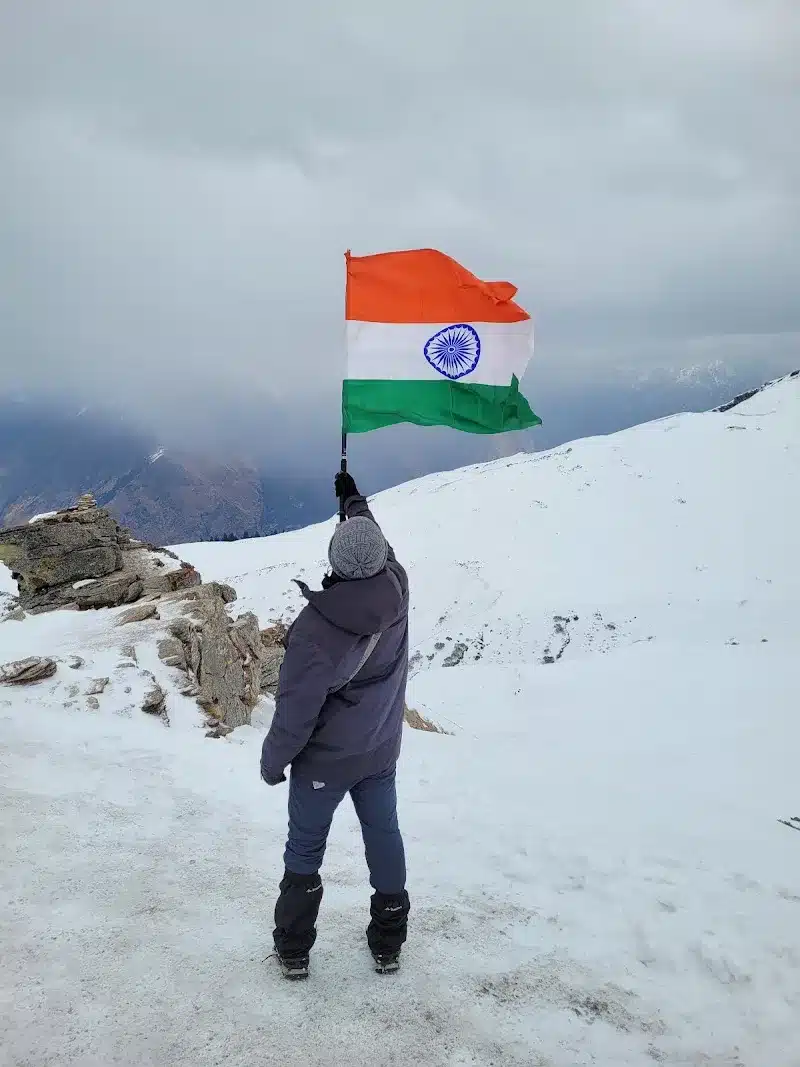

Similar Trek – Kedarkantha
🏔️ Kedarkantha Trek Packages
Book your winter Himalayan adventure with Super Trekkers
🎉 Winter Batch Offer – Limited Time Only!
📍 Sankri ↔ Sankri (5D/4N)
₹6,499 → ₹5,499/- per person
Optional: ₹400/day for Backpack Offloading
Optional: + ₹1,500 Transportation (Dehradun ↔ Sankri)
📍 Dehradun ↔ Dehradun (5D/4N)
₹7,499 → ₹6,499/- per person
Optional: ₹400/day for Backpack Offloading
💬 Get Your Trek Quote
📞 Book Now Your AdventureLimited slots • Certified Trek Leaders • Safe & Hassle-free Experience
Why Choose Kuari Pass Trek?
- Panoramic Himalayan Views: Spot Nanda Devi (25,643 ft), India’s second-highest mountain, along with Dronagiri, Hathi Ghoda, Trishul, Chaukhamba.
- Perfect for Beginners: Unlike high-altitude treks like Roopkund, Kuari is accessible yet rewarding.
- Meadows of Auli & Gorson Bugyal: Walk across lush meadows that turn into snow wonderlands in winter.
- Year-Round Accessibility: Popular in summer (green meadows) and winter (snow treks).
- Cultural Experience: Trek passes through remote Himalayan villages like Tugasi, Dhak, and Gulling.

Best Time to Visit
The Kuari Pass Trek can be experienced in two distinct seasons, each offering a unique and magical experience.
Spring and Summer (March to June): This is arguably the most popular time to do the trek. The weather is pleasant and comfortable, with clear skies and moderate temperatures. The snow from the winter has melted, revealing lush green meadows and vibrant alpine flowers. The rhododendrons are in full bloom, painting the forests in brilliant shades of red and pink. This season is perfect for those who want to experience the vibrant, colorful side of the Himalayas. The visibility is generally excellent, providing unobstructed views of the peaks.
Autumn (September to November): This season is known for its incredible clear skies and crisp air, offering the best mountain views. The monsoon rains have cleared, and the dust has settled, resulting in a pristine landscape. The temperatures are cooler, especially at night, but the days are sunny and perfect for trekking. The foliage changes to beautiful autumnal colors, adding to the visual appeal. This is a great time for photography and for those who prioritize clear, sharp views of the snow-capped peaks.
Winter (December to February): For the adventurous soul, the winter Kuari Pass Trek is a truly special experience. The entire landscape is transformed into a winter wonderland, with the trail and forests blanketed in deep snow. While the trek becomes more challenging and requires specialized gear like gaiters and microspikes, the reward is immense. The silence of the snow-covered mountains, the glistening white landscape, and the surreal beauty of the frozen Tali Lake are unforgettable. Temperatures can drop significantly, so proper cold-weather gear is essential.
Best Time to Do Kuari Pass Trek
The trek is accessible in two major seasons:
Summer (April – June)
- Weather: Pleasant days, cool nights.
- Views: Clear Himalayan peaks, blooming rhododendrons.
- Why go: Great for beginners and families.
Autumn (September – November)
- Weather: Crisp skies, comfortable trekking conditions.
- Views: Post-monsoon greenery, sharp mountain visibility.
- Why go: Best chance of panoramic mountain photography.
Winter (December – March)
- Weather: Snow-covered trails, sub-zero temperatures at night.
- Views: Snow-draped forests and peaks.
- Why go: Ideal for snow trekking enthusiasts.
👉 Avoid July–August (Monsoon season) due to landslides and slippery trails.
Kuari Pass Trek: Best Time to Visit
Winter (Dec-Mar)
❄️ Heavy Snow
🌡️ -5°C to 5°C
⭐ Best for Snowscapes
Spring (Apr-May)
🌸 Rhododendron Blooms
🌡️ 5°C to 15°C
👁️ Clear Mountain Views
Kuari Pass Trek Itinerary (6 Days)
Day 1 – Rishikesh to Joshimath (2,050 m)
- Distance: 270 km by road (10–11 hours)
- Route: Rishikesh → Devprayag → Rudraprayag → Joshimath
- Highlights: Scenic drive along Alaknanda River, witnessing confluences of holy rivers.
Day 2 – Joshimath to Dhak → Trek to Gulling (2,900 m)
- Drive: 12 km from Joshimath to Dhak village
- Trek: 5–6 km (3–4 hours)
- Highlights: Cross Tugasi village, oak & rhododendron forests.
- Campsite: Gulling Meadows
Day 3 – Gulling to Tali Forest Camp (3,350 m)
- Trek Distance: 6–7 km (5 hours)
- Highlights: Views of Dronagiri & Hathi Ghoda peaks, dense forests.
Day 4 – Tali to Kuari Pass (3,815 m) → back to Tali
- Trek Distance: 12–13 km (7–8 hours round trip)
- Highlights: Summit day! Stunning views of Nanda Devi, Chaukhamba, Kamet.
- Return to Tali campsite.
Day 5 – Tali to Auli via Gorson Bugyal → Drive to Joshimath
- Trek Distance: 8 km
- Highlights: Walk through snow meadows of Gorson Bugyal, reach Auli ski slopes.
- Overnight stay in Joshimath.
Day 6 – Joshimath to Rishikesh
- Return journey by road.
👉 Alternate routes include camping at Khullara campsite.
Pro Tip: Break journey at Rishikesh, then take a shared cab or bus to Joshimath.
Planning Tips: How to Prepare for the Kuari Pass Trek
Best Time to Visit
- April–June: Ideal for clear skies, blooming rhododendrons, and moderate temps
- September–November: Post-monsoon clarity, stable weather, fewer crowds
- December–March: Snow trekking possible; suitable for experienced trekkers only
Avoid July–August (monsoon) due to landslides and leeches.
Fitness Requirements
- Train 4–6 weeks in advance
- Focus on cardio (running, cycling), leg strength (squats, lunges), and stair climbing
- Practice hiking with a backpack (5–7 kg)
Essential Gear Checklist
| Category | Item |
|---|---|
| Clothing | Thermal innerwear, fleece jacket, down jacket, waterproof trek pants, woolen cap, gloves |
| Footwear | Waterproof trekking shoes (preferably broken in), woolen socks (3–4 pairs) |
| Backpack | 50–60L with rain cover |
| Sleeping | Sleeping bag (-10°C comfort), sleeping mat |
| Accessories | Trekking poles, headlamp, UV sunglasses, sunscreen (SPF 50+) |
| Medications | Diamox (for AMS), painkillers, antiseptic, personal meds |
Permits & Documentation
- Inner Line Permit (ILP): Required for non-residents of Uttarakhand
- Obtainable online via Uttarakhand Tourism or through registered operators like Super Trekkers
- Carry ID proof (Aadhaar, passport, or voter ID)
Logistics & Connectivity
- Nearest Airport: Jolly Grant, Dehradun (280 km)
- Nearest Railway Station: Rishikesh (220 km)
- Mobile Network: BSNL works in Joshimath/Auli; no network on the trail
- ATMs: Available in Joshimath and Rishikesh
How to Reach Kuari Pass Trek Starting Point
- By Train: Nearest railway station – Haridwar (270 km).
- By Air: Jolly Grant Airport, Dehradun (approx. 280 km).
- By Road: Regular buses from Delhi → Rishikesh/Haridwar → Joshimath.
Safety and Precautions:
Despite being considered moderate, it’s a high-altitude adventure requiring precautions.
- Acclimatization: “Acclimatization is Key.” Resting a day in Joshimath before starting the trek is recommended.
- Fitness: “Good fitness is a must.” Trekkers should be able to walk, jog, or run 5 km in under 35 minutes (Indiahikes target) or 33 minutes (Trek The Himalayas target) to comfortably complete the trek. A 6-week fitness plan focusing on cardiovascular endurance and muscle strength is advised.
- Packing: Layered clothing, waterproof trekking shoes with ankle support, a headlamp, trekking poles, and a personal medical kit are essential.
- Hydration and Nutrition: “Drink at least 3 liters of water every day” and “Eat light and balanced meals.”
- Guidance: “Always listen to your trek leader or local guide” and “Stick to marked trails.”
- Medical Preparedness: Trek leaders are equipped with medical kits, oxygen cylinders, and stretchers. Trekkers should carry personal medicines and inform leaders of pre-existing conditions.
- Emergency Exits: Dhak and Auli are the closest exit points from various sections of the trail. The closest primary healthcare center is in Joshimath.
FAQs – Kuari Pass Trek
1. Is Kuari Pass Trek safe for beginners?
Yes, Kuari Pass Trek is safe for beginners with basic fitness and proper guidance.
2. What is the best time for Kuari Pass Trek?
April–June and September–November for clear views, December–March for snow trekking.
3. Is Kuari Pass Trek safe during winter?
Yes, it’s a popular winter trek, but you’ll need warm gear and an experienced guide.
4. How difficult is Kuari Pass Trek?
It is rated Easy–Moderate, suitable for beginners with good physical fitness.
5. How many days are needed for Kuari Pass Trek?
The trek usually takes 5–6 days including travel from Rishikesh/Haridwar.
6. Can Kuari Pass Trek be done in December?
Yes, December is a great month to experience snow-covered meadows and trails.
7. Which peaks are visible from Kuari Pass?
You can see Nanda Devi, Dronagiri, Chaukhamba, Kamet, and Trishul peaks.
8. How much does Kuari Pass Trek cost?
Typically between ₹8,000–₹12,000 per person, depending on operator and season.
9. Do I need permits for Kuari Pass Trek?
Yes, forest entry and camping permits are required, usually arranged by trek operators.
10. Is Kuari Pass Trek safe during monsoon?
No, monsoon (July–August) is unsafe due to landslides and slippery trails.
11. What is the altitude of Kuari Pass?
The highest point is 12,516 ft (3,815 m).
12. Can children do Kuari Pass Trek?
Yes, children above 10 years with good fitness can join under supervision.
13. Is Kuari Pass better in summer or winter?
Summer offers clear mountain views, while winter provides snow trails. Both are unique.
14. How to reach the starting point of Kuari Pass Trek?
Travel via Rishikesh/Haridwar → Joshimath/Auli by road; nearest airport is Dehradun.
15. What kind of stay is available during Kuari Pass Trek?
Trekkers stay in tents during the trek and guesthouses in Joshimath.
16. Is Kuari Pass Trek safe for solo trekkers?
Solo trekking is possible but not recommended; safer to go with a group or operator.
17. How cold does it get at Kuari Pass in winter?
Temperatures can drop to –5°C at night in December–January.
18. Which is harder, Kuari Pass or Kedarkantha?
Both are beginner treks; Kuari Pass is slightly longer with higher altitude.
19. Is mobile network available on Kuari Pass Trek?
Signal is available till Joshimath; very limited on the trail.
20. Can foreigners do Kuari Pass Trek?
Yes, foreigners can join with valid ID and permits, arranged by trek operators.


Ive read several just right stuff here Certainly price bookmarking for revisiting I wonder how a lot effort you place to create this kind of great informative website
I’ve been following your blog for some time now, and I’m consistently blown away by the quality of your content. Your ability to tackle complex topics with ease is truly admirable.
Your blog is a true hidden gem on the internet. Your thoughtful analysis and engaging writing style set you apart from the crowd. Keep up the excellent work!
This article inspired me to start exercising regularly.
Fantastic read! 👏 I really appreciate how clearly you explained the topic—your writing not only shows expertise but also makes the subject approachable for a wide audience. It’s rare to come across content that feels both insightful and practical at the same time. At explodingbrands.de we run a growing directory site in Germany that features businesses from many different categories. That’s why I truly value articles like yours, because they highlight how knowledge and visibility can create stronger connections between people, services, and opportunities.Keep up the great work—I’ll definitely be checking back for more of your insights! 🚀