
Mardi Himal Trek – Quick Facts
Mardi Himal Trek Overview
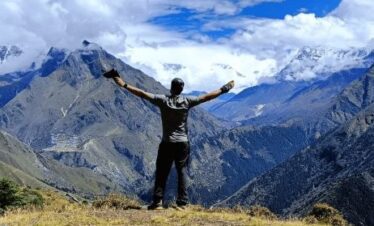
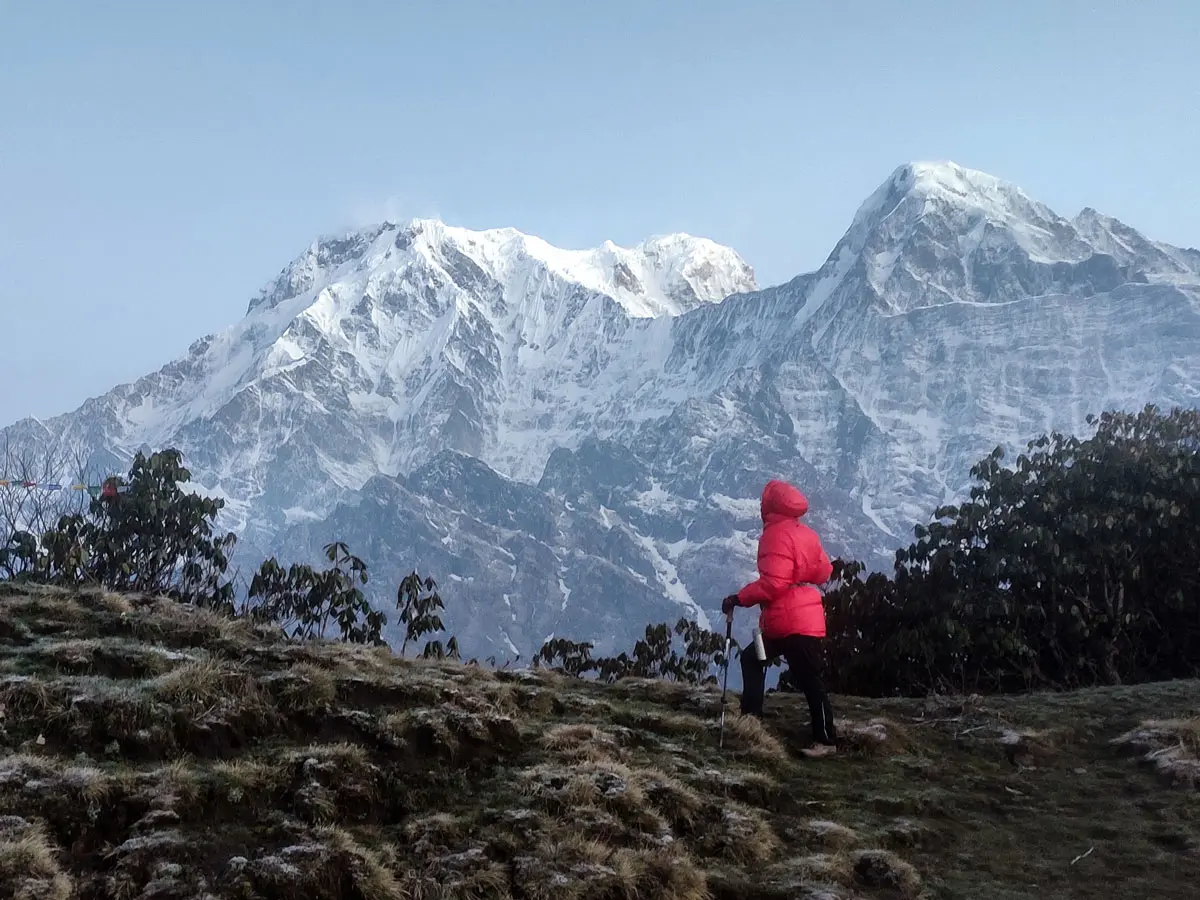
The Mardi Himal Trek is one of the shortest and most rewarding treks in Nepal’s Annapurna region. The trail starts at Kande, a short drive from Pokhara, and climbs a forested ridge to Mardi Himal Base Camp at 4,500 m (14,764 ft). Along the way you stay close to Machhapuchhre (Fishtail), with Annapurna South and Hiunchuli in view for much of the walk.
Our itinerary runs 7 days from Pokhara, with 5 days on the trail. You drive to Pokhara, trek up through oak and rhododendron forest to the open ridge at High Camp, make the day trip to Base Camp, and descend to the Gurung village of Siding. Nights are in teahouses and guesthouses, with hotel stays in Pokhara before and after. It is a good first Himalayan trek for fit beginners, and quieter than the Annapurna Base Camp and Poon Hill routes.
Route at a glance
- Forest Camp2,500 m
- Low Camp2,970 m
- High Camp3,580 m
- Mardi Himal Base Camp4,500 m
- Siding Village1,750 m
Who this trek suits
- First-time Himalayan trekkers with basic fitness and a month of regular walking or cardio.
- Trekkers short on time who still want a Himalayan ridge walk and Base Camp views.
- Anyone looking for a quieter alternative to Poon Hill or Annapurna Base Camp.
Note on altitude: The climb from High Camp (3,580 m) to Base Camp (4,500 m) is the biggest altitude gain of the trek and is done in a single day. Walk slowly, drink plenty of water, and tell your guide about headaches or nausea straight away. Altitude sickness can affect anyone, so your guide may change the plan on the day.

Mardi Himal Trek Highlights
The Mardi Himal Trek packs forest trails, a high ridge walk, and close mountain views into a short Annapurna itinerary. Here is what makes it stand out from the busier treks in the region.
Mardi Himal Base Camp at 4,500 m
Reach Mardi Himal Base Camp (4,500 m / 14,764 ft) on a day trip from High Camp, with the Annapurna range spread out in front of you.
Close-Up Views of Machhapuchhre
Walk beside the sharp twin summit of Machhapuchhre (Fishtail), seen from Low Camp onwards and at its best from the ridge above.
Annapurna Range Panorama
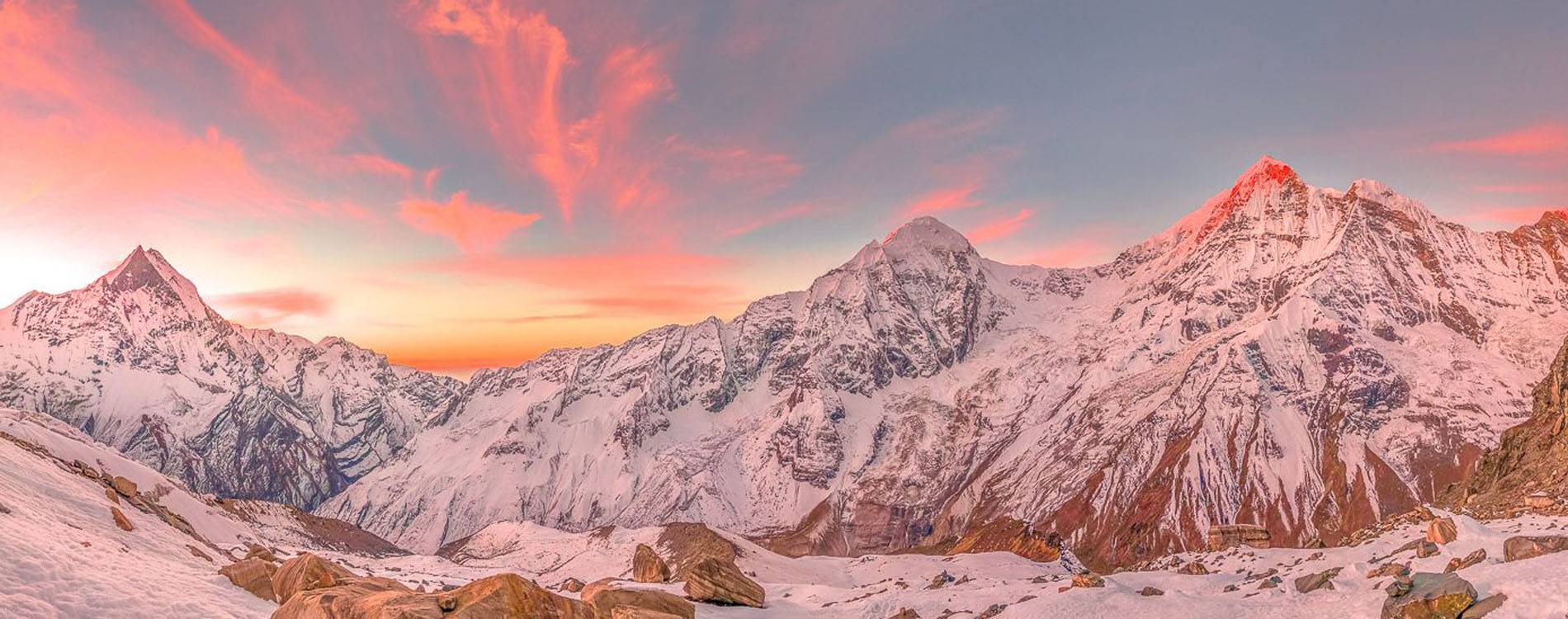
See Annapurna South, Hiunchuli, Mardi Himal, and Machhapuchhre from open viewpoints, starting with the first clear views at Australian Camp.
Rhododendron & Oak Forests
Climb through dense forests of rhododendron, oak, and maple on the lower trail, with spring blooms from March to May.
High Camp Ridge Walk
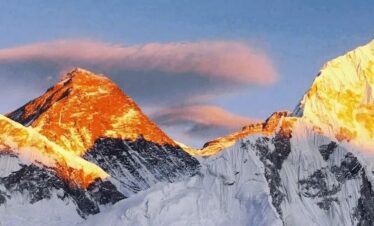
Follow the open ridge up to High Camp (3,580 m), where sunrise and sunset light up the peaks right outside your teahouse.
Big Views in a Short Trek
Gain height quickly with only five days on the trail, a good fit if you have limited leave but want a real Himalayan experience.
Quieter Than Classic Annapurna Routes
Enjoy a calmer trail than Annapurna Base Camp or Poon Hill, though lodges can fill up in the peak seasons.
Teahouses & Gurung Village Life
Stay in family-run teahouses, eat dal bhat, and finish the trek at Siding, a traditional Gurung village.
Why trekkers choose Mardi Himal: a short ridge trek with close views of Machhapuchhre and the Annapurna range, a moderate grade, and Base Camp at 4,500 m, all within an 8-day itinerary from Kathmandu.


Why Choose the Mardi Himal Trek?
Mardi Himal Trek is a hidden gem located in Nepal’s Annapurna region. Offering magnificent views of Mardi Himal, Machapuchare (Fishtail), Annapurna South, and Hiunchuli, this trek is perfect for adventurers seeking an off-the-beaten-path experience.
This trek typically takes 6-7 days, making it an excellent option for those with limited time but an unquenchable thirst for adventure. The trail passes through several unique landmarks, including the Low Camp, High Camp, and the Mardi Himal Base Camp. Each stop introduces trekkers to breathtaking landscapes and unforgettable Himalayan vistas.
Starting from Pokhara, the trek takes you through lush rhododendron forests, high ridges, and picturesque villages, culminating at the Mardi Himal Base Camp at an altitude of 4,500m (14,764ft). The total trekking distance is approximately 64 kilometers, making it suitable for trekkers of varying experience levels.

Mardi Himal Trek Itinerary from Pokhara
- Day 01: Arrival in Pokhara Altitude: 820 m (Pokhara). Highlights: Arrive in Pokhara, the gateway to the Annapurna region. Meet your guide for the trek briefing, a gear check, and permit verification. Spend the evening by Phewa Lake and Lakeside. Stay: Hotel in Pokhara.
- Day 02: Drive to Dhampus & Trek to Forest Camp Drive: ~1–1.5 hours. Trek: ~5–6 hours. Altitude: 2,500 m (Forest Camp). Highlights: Drive to Dhampus, then start trekking uphill through villages and farmland into oak and rhododendron forest. Stay overnight at Forest Camp. Stay: Teahouse at Forest Camp.
- Day 03: Trek from Forest Camp to Badal Danda Trek: ~5–6 hours. Altitude: ~3,200 m (Badal Danda). Highlights: Climb steadily through dense forest, passing Low Camp (2,970 m) on the way. As the trees thin out, the views of Machhapuchhre (Fishtail) and Annapurna South open up. Stay: Teahouse at Badal Danda.
- Day 04: Trek from Badal Danda to High Camp Trek: ~3–4 hours. Altitude: 3,580 m (High Camp). Highlights: A shorter day along the open ridge, with Mardi Himal, Machhapuchhre, and Annapurna South in front of you. Arrive at High Camp early to rest and acclimatize, and watch the sunset over the peaks. Stay: Teahouse at High Camp.
- Day 05: Hike to Mardi Himal Base Camp & Back to Low Camp Hike: ~6–7 hours to Base Camp and back, plus ~2–3 hours descent to Low Camp. Altitude: 4,500 m (Mardi Himal Base Camp). Highlights: The big day of the trek. Start early from High Camp and climb the ridge to Base Camp for close views of the Annapurna range and Machhapuchhre. Return to High Camp, then descend to Low Camp. Stay: Teahouse at Low Camp.
- Day 06: Trek from Low Camp to Sidhing Village & Drive Back to Pokhara Trek: ~4–5 hours. Drive: ~2–3 hours. Altitude: 1,750 m (Sidhing). Highlights: Descend through forest and terraced fields to the traditional Gurung village of Sidhing. Then drive back to Pokhara, where you can relax and celebrate the trek in Lakeside. Stay: Hotel in Pokhara.
- Day 07: Departure Highlights: After breakfast, transfer to the airport or bus station for your onward journey. The trip ends in Pokhara.
Note: Timings and altitudes are approximate. Weather and trail conditions in the Annapurna region can require changes to the daily plan. On Day 05, your guide decides how far to go based on weather, snow, and how everyone in the group is feeling, so reaching Base Camp is never guaranteed.

Mardi Himal Trek Difficulty & Best Time
Trek Difficulty
The Mardi Himal Trek difficulty level is considered moderate, making it accessible to most trekkers, including beginners. The trekking route is relatively short and features manageable trails, but some sections involve narrow paths and steep slopes requiring caution. The highest altitude reached during this trek is 4,500 meters, which minimizes the risk of altitude sickness compared to other high-altitude treks in Nepal. However, preparation is key, as risks cannot be entirely avoided. Trekkers with normal physical fitness can easily complete the Mardi Himal Trek, but starting regular exercises or hikes a month before the trek is recommended. This will boost your stamina and ensure a more enjoyable trekking experience.
Best Time to Trek
The best time for the Mardi Himal Trek is during Autumn (September to November) and Spring (March to May). These seasons offer favorable weather conditions, clear skies, and stunning views of the Annapurna range and Mt. Machhapuchhre (Fishtail). In Autumn, the lush green landscapes and crisp mountain air create an ideal trekking environment. Meanwhile, in Spring, the trails are adorned with blooming rhododendrons, adding vibrant colors to the journey. Trekking during the monsoon (June to August) or winter (December to February) is less recommended due to unpredictable weather, heavy rains, snow, and reduced visibility, which can affect your overall experience.
Tip: Planning your journey during the prime seasons will enhance your Mardi Himal Trek experience with clear skies and spectacular views.
Accommodation & Meals During Mardi Himal Trek
🏕️ Accommodation
During the Mardi Himal Trek, trekkers are accommodated in 3-star hotels in Kathmandu and Pokhara before and after the trek. Along the trekking route, lodges, guesthouses, or homestays with twin-sharing rooms are the primary accommodations. Staying in local guesthouses allows trekkers to experience the warm hospitality and traditional lifestyle of the local communities.
As the Mardi Himal Trek grows in popularity, securing rooms during the peak trekking seasons can become challenging. It’s advisable to book in advance or prepare for the possibility of sharing rooms with more than two people during busy periods. Basic amenities are provided, but the facilities might be limited in comparison to those in cities, adding to the charm of the rustic trekking experience.
🍽️ Meals
The Mardi Himal Trek package typically includes meals such as breakfast, lunch, and dinner, along with tea or coffee. The meals primarily feature authentic Nepali cuisine, such as dal bhat (rice, lentils, and vegetables), providing a wholesome and nutritious option to keep you energized. Many ingredients are locally sourced from farmers in the region.
While Nepali dishes dominate the menu, trekkers can also enjoy limited options for Indian and continental cuisines at some guesthouses. However, as the trek moves to higher altitudes, food variety decreases. Trekkers are advised to inform their guides about dietary preferences or allergies to ensure a smooth dining experience along the route.
Note: Accommodations along the Mardi Himal Trek vary from basic lodges to comfortable guesthouses, allowing for a range of experiences. Meals are typically included in the package, with a focus on local Nepali cuisine.
Mardi Himal Trek Packing List — Things to Carry
Days on the lower trail are mild, but nights at High Camp are cold and the weather can turn quickly. Pack in layers, keep your bag light, and spend your budget on warm layers and well broken-in boots.
Apparel
- Thermal inners — at least 1 set of top and leggings
- 3–4 t-shirts, quick-dry or moisture-wicking
- 2 pairs of trekking pants (no denim)
- 1 fleece jacket & 1 down jacket for High Camp nights
- Waterproof jacket and rain pants or poncho
- Waterproof trekking boots with ankle support, well broken in
- 4–6 pairs of socks, including 2 thick woollen pairs
- Warm gloves, woollen cap, sun hat, and a buff
- Sandals or light shoes for the teahouses
Accessories
- Duffel bag for the porter, kept within your bag limit
- Daypack (20–30 L) with a rain cover
- Sleeping bag rated to about -10°C (ask us about rental)
- 2 × 1 L bottles and water purification tablets
- Headlamp and extra batteries
- Trekking poles, useful on the steep descent to Siding
- Sunscreen (SPF 50+), UV sunglasses, lip balm
- Personal medicines, blister plasters, toilet paper, wet wipes
- Power bank, snacks, and Nepali rupees in cash for teahouse extras
Documents
- Passport (or valid photo ID for Indian citizens)
- Travel insurance papers
- Printed copies of your bookings and ID
- Passport-size photos, in case the permit office asks
- Emergency contact details
Mardi Himal Trek — Difficulty & Fitness
The Mardi Himal Trek is rated moderate and is suitable for fit beginners. The trail is well defined, but it climbs steadily on a forested ridge, and some sections are narrow and steep. Expect 4–7 hours of walking a day. Base Camp day is the longest, at 6–7 hours up to 4,500 m and back to High Camp, so altitude and stamina matter more than technical skill.
How to prepare
- 4–8 weeks of regular cardio, such as brisk walking, jogging, cycling, or stair climbing.
- Leg and core strength work twice a week for the steep ascents and long descents.
- Practice hikes with a loaded daypack (4–6 kg), ideally on hills or stairs.
- Break in your boots well before departure to avoid blisters on the descent to Siding.
- Plan a few back-to-back long walks of 5–6 hours to build endurance for Base Camp day.
Mardi Himal Trek — Frequently Asked Questions
How many days does the Mardi Himal Trek take?
Our itinerary is 8 days from Kathmandu: two days for arrival and the drive to Pokhara, five days on the trail, and a final day driving back to Kathmandu. Starting from Pokhara, the trek itself takes about 5 days.
What is the maximum altitude of the Mardi Himal Trek?
The highest point is Mardi Himal Base Camp at 4,500 meters (14,764 feet). You sleep lower, at High Camp (3,580 m), and make the Base Camp trip as a day hike.
Is the Mardi Himal Trek good for beginners?
Yes, for beginners with basic fitness. It is graded moderate and is shorter than the Everest or Annapurna Base Camp treks. Start regular walking or cardio at least a month before, because several days involve steady climbing and 6–7 hours on your feet.
What is the best time to do the Mardi Himal Trek?
The best seasons are spring (March to May), when rhododendrons bloom, and autumn (September to November), when skies are clear and views are sharpest. Monsoon (June to August) brings rain, leeches, and cloud. Winter (December to February) is cold, with snow possible at High Camp.
How much does the Mardi Himal Trek cost?
The current price per adult is shown in the booking box on this page. It covers the guided trek, permits, trek-day meals, teahouse and hotel stays listed in the itinerary, and transport. Not included: international and domestic flights, meals in Kathmandu and Pokhara, personal gear, insurance, drinks, and tips. Check the full inclusions and exclusions before you book.
Do I need a guide and permits for the Mardi Himal Trek?
The trek is inside the Annapurna Conservation Area, so a conservation permit is required. Trekking rules in Nepal have changed in recent years, so requirements can change. Our package includes a licensed guide and arranges your permits, and we confirm the current requirements with you when you book.
Is the Mardi Himal Trek safe, and what about altitude sickness?
The trail is well used and guided, but altitude sickness can affect anyone above about 2,500 m. The biggest gain is the day from High Camp (3,580 m) to Base Camp (4,500 m). Walk slowly, drink plenty of water, avoid alcohol, and tell your guide about headaches, nausea, or unusual tiredness straight away. If symptoms get worse, you descend.
Where do we stay and what food is available?
You stay in hotels in Kathmandu and Pokhara and in teahouses and guesthouses on the trail, usually twin-sharing. Rooms can be limited in peak season, so you may sometimes share with more people. Meals are mostly Nepali, with dal bhat the most popular choice. Menus get shorter at higher camps, so tell your guide about dietary needs and allergies in advance.
What is the difference between Mardi Himal and Poon Hill?
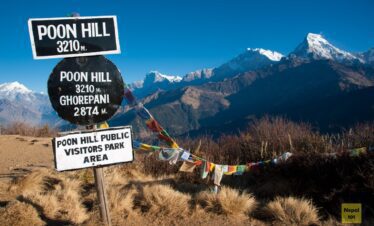
Ghorepani Poon Hill is shorter and more popular, known for its sunrise viewpoint. Mardi Himal takes a little longer, climbs higher (4,500 m versus about 3,210 m), and follows a ridge with closer views of Machhapuchhre. Choose Mardi Himal if you want a quieter trail and a real high-altitude day.
Mardi Himal or Annapurna Base Camp: which should I choose?
Mardi Himal is shorter and quieter, so it suits trekkers with limited time. Annapurna Base Camp takes longer and ends inside the Annapurna sanctuary, surrounded by high peaks. If this is your first Himalayan trek, Mardi Himal is the easier step up.
Are there ATMs, charging points, and mobile network on the trail?
Do not count on ATMs or card payments on the trail, so carry Nepali rupees in cash for drinks, snacks, charging, and hot showers. Charging is available at many teahouses for a fee, and mobile and internet coverage can be patchy at higher camps. A power bank is a good idea.
What travel insurance and documents do I need?
Take travel insurance that covers trekking up to at least 5,000 m and emergency evacuation. Most foreign nationals need a Nepal visa, which you can get on arrival at Kathmandu airport or apply for online. Indian citizens do not need a visa but must carry a valid government photo ID, such as a passport or voter ID.
What if I cannot complete the trek?
Your guide monitors the group each day and can change the plan for weather, health, or pace. If you cannot continue, the guide arranges your descent to the nearest road, and you can recover in Pokhara. Extra evacuation or hotel costs are normally covered by your insurance, so keep your policy details handy.
Other Treks
Mardi Himal Trek : Include / Exclude
Cost Includes
- Airport pick & drop off service by Private Vehicle
- Hotel accommodation in Pokhara
- Comprehensive pre-departure information/meeting in your Hotel
- 3 meals a day (Breakfasts, Lunch and Dinners with tea or coffee) during the trek
- Accommodation in lodges, and guesthouses on twin sharing basis during the trek
- Trekking guides and porters (Porter can carry up to 10kg )
- Guide airfare (if applicable)
- Arrangements for food, accommodation, salary, insurance, equipment, and medicine for all trekking staff.
- Travel insurance for Nepali staff. While trekking period
- Annapurna Conservation Area Permit for National Park & Conservation
- Trekking information management system ( TIMS ), New Trekking permit to keep a record of tourists, (This is for your safety)
Cost Excludes
- Meals in Pokhara
- Airfare domestic ( Kathmandu - Pokhara flights ) and international flights
- Nepal entry visa fee
- Airport tax is required for the Domestic / International flights
- All alcoholic drinks, mineral water, laundry, phone calls, internet
- Personal trekking equipment, medical and travel insurance
- Entrance fees for sightseeing/Monument
- Any extra transportation except itinerary (we can arrange it if requested)
- Any kind of personal expenses / Helicopter rescue due to causes out of our control.
- Any other expenses which are not mentioned in the inclusive price
- Some extra assistance (if you can not walk properly our guide will arrange for your horse, to come back, if applicable you have to pay them directly
- Tips to staff. After working everyone expects some Tips, we never tell you a fixed amount, because it is up to you and up to their service, but generally tourist use to give10% of the total cost.